Black Orchid
The most coveted note in modern perfumery. Prized for its dark, sensual complexity, this rare orchid absolute brings an intoxicating, almost otherworldly presence to oriental and chypre compositions.
Character
How it smells
The flower that didn't exist.
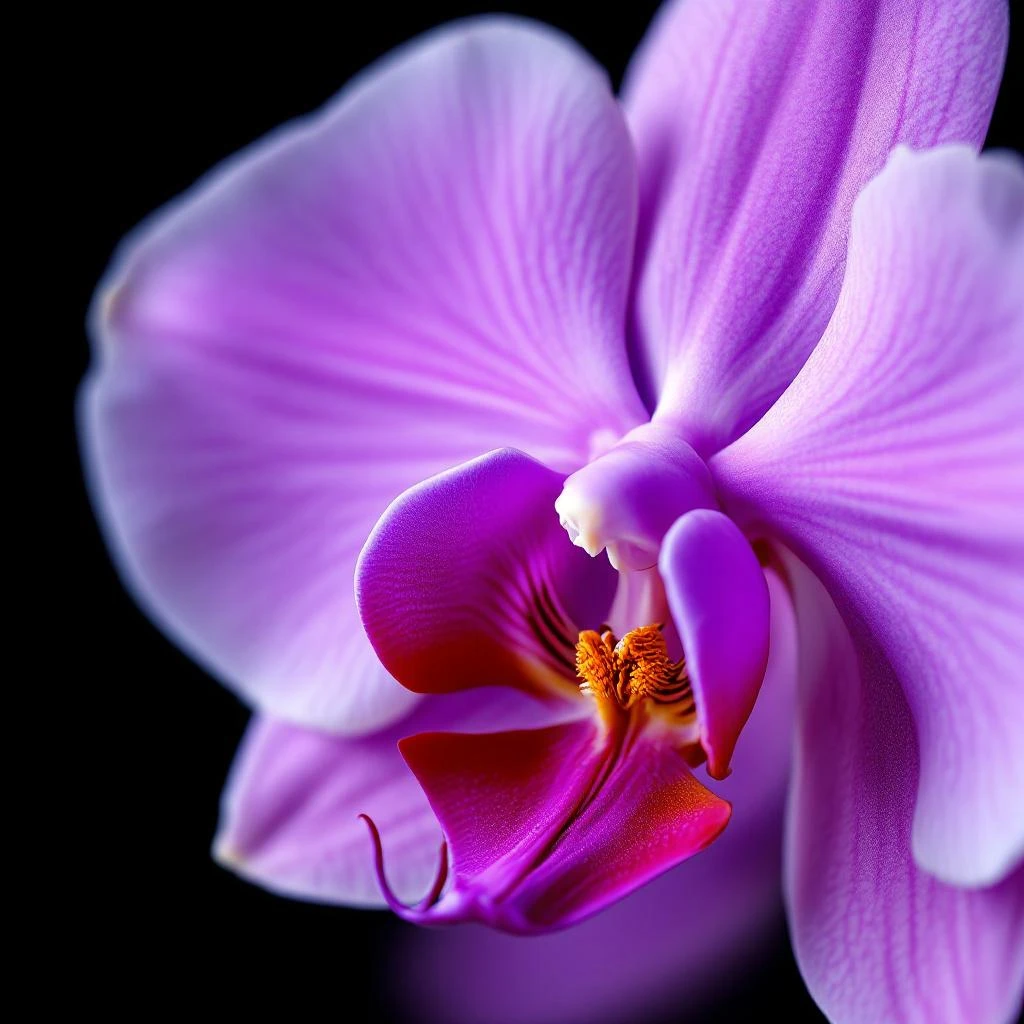
True black orchids don't exist in nature. The rarest varieties range from deep burgundy to near-black purple.







Origin
Thailand
Orchids have held cultural significance across Asian and Mesoamerican civilizations for centuries, but their use in Western perfumery is remarkably recent. The black orchid note itself emerged from Tom Ford's creative vision in 2006, when the designer commissioned a horticulturist to cultivate the blackest orchid specimen for his inaugural fragrance.
This dramatic origin story shaped how the ingredient became perceived as impossibly rare. Before Black Orchid launched, no fragrance had centered this note.
Its success normalized dark, opulent florals in mainstream perfumery and influenced a generation of oriental fragrances that followed, from commodity scents to niche releases. The ingredient exists at the intersection of botanical reality and creative fantasy, making it one of perfumery's most compelling modern materials.
Wears it best
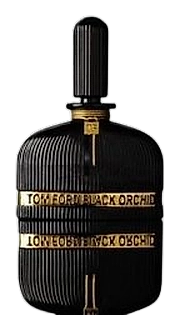
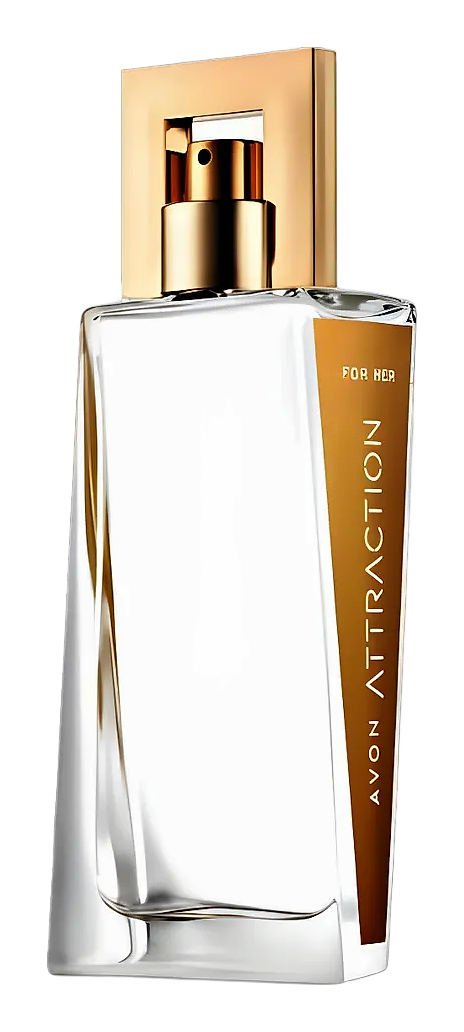
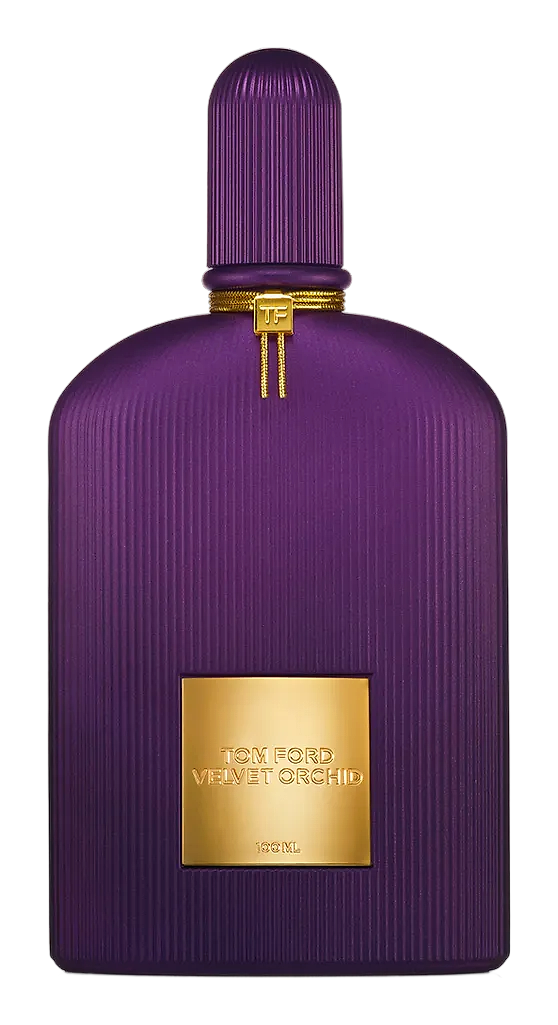
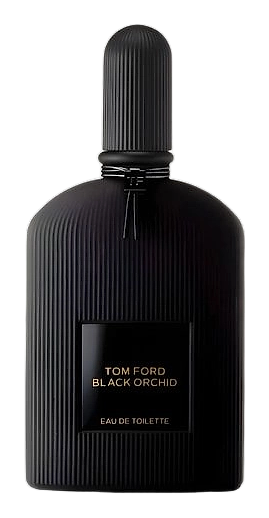
Fragrances featuring Black Orchid


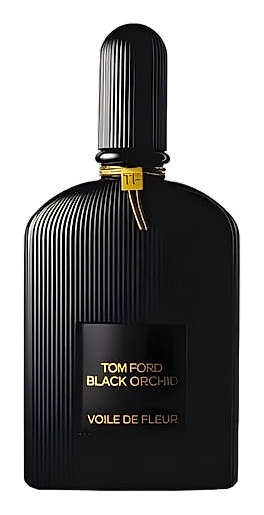
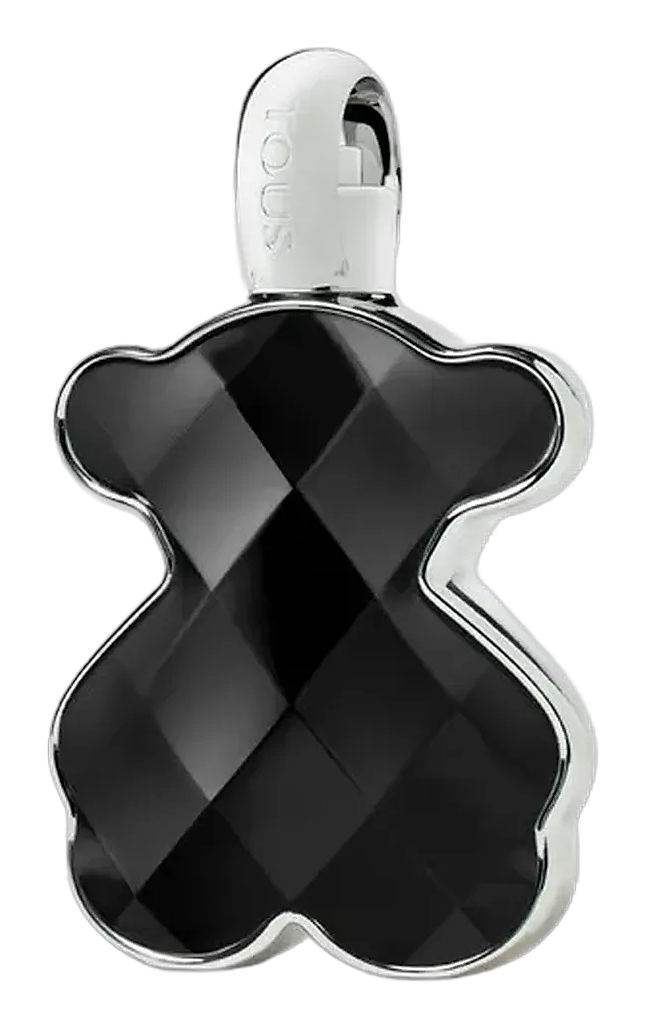
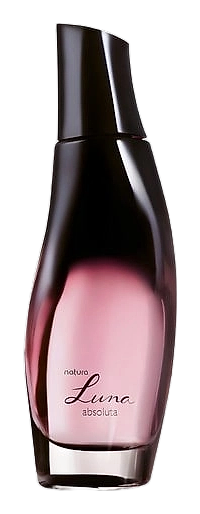
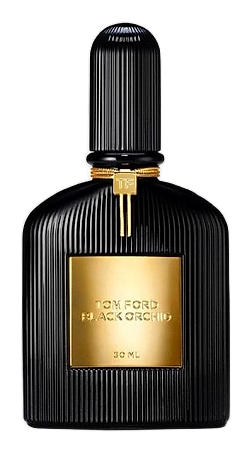
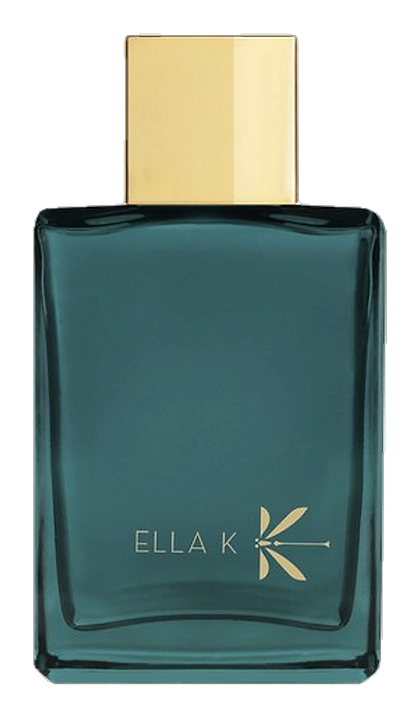
Brands
Brands known for Black Orchid
Good to know
Questions, answered
The essentials on Black Orchid in perfumery: how it smells, where it comes from, and how it behaves on skin.
What does black orchid smell like?
Black orchid absolute presents as dark, complex, and multifaceted. It combines deep floral notes with earthy mushroom undertones and a subtle creamy sweetness. The result feels simultaneously exotic and grounded, making it a powerful base note in oriental compositions.
Is black orchid a natural or synthetic ingredient?
Both. Natural orchid absolute exists but remains rare and expensive. Most modern fragrances use high-quality synthetic molecules that recreate black orchid's dark, velvety character. Tom Ford Black Orchid specifically uses actual orchid absolute alongside synthetic companions.
Which fragrance made black orchid famous?
Tom Ford Black Orchid, launched in 2006, created the modern black orchid trend. The designer reportedly commissioned a genuine black orchid specimen to inspire the fragrance, making it the first major perfume to center this note. It remains the reference for the category.
Does a truly black orchid exist?
No. No naturally occurring orchid displays true black pigmentation. Flowers described as 'black orchid' range from deep burgundy to dark maroon. The darkest cultivated specimens approach near-black, but pure black remains a botanical impossibility.
What notes pair well with black orchid?
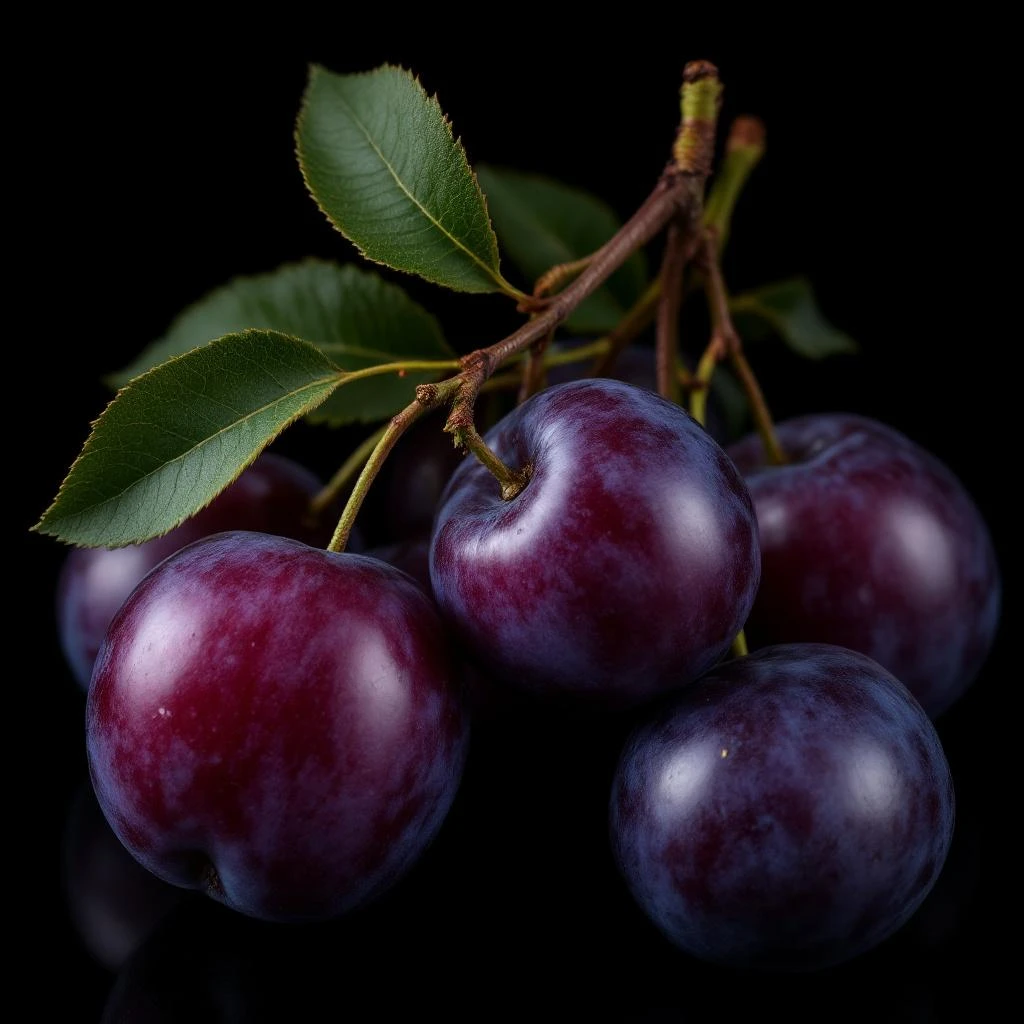
Black orchid harmonizes with warm, resinous materials. Vanilla, sandalwood, patchouli, benzoin, and dark fruits like plum create coherent oriental compositions. It also pairs with other florals, particularly ylang-ylang and jasmine, adding depth to floral-heart structures.
Why is black orchid so expensive?
Orchid cultivation requires significant time and specific environmental conditions. The flowers themselves contain low concentrations of aromatic compounds, meaning large quantities of blooms yield minimal absolute. This scarcity, combined with the Tom Ford fragrance's premium positioning, has reinforced its luxury associations.
Can orchid extract be used in natural perfumery?
Yes. Orchid absolute qualifies as a natural extract when produced via solvent extraction without synthetic additives. However, its high cost and limited availability make it uncommon in indie or artisan natural perfumery circles.
What fragrance families use black orchid?
Oriental and chypre fragrances most commonly feature black orchid. Its dark, sensual character suits evening wear and cooler seasons. It appears less frequently in fresh or light compositions due to its intensity and complexity.




