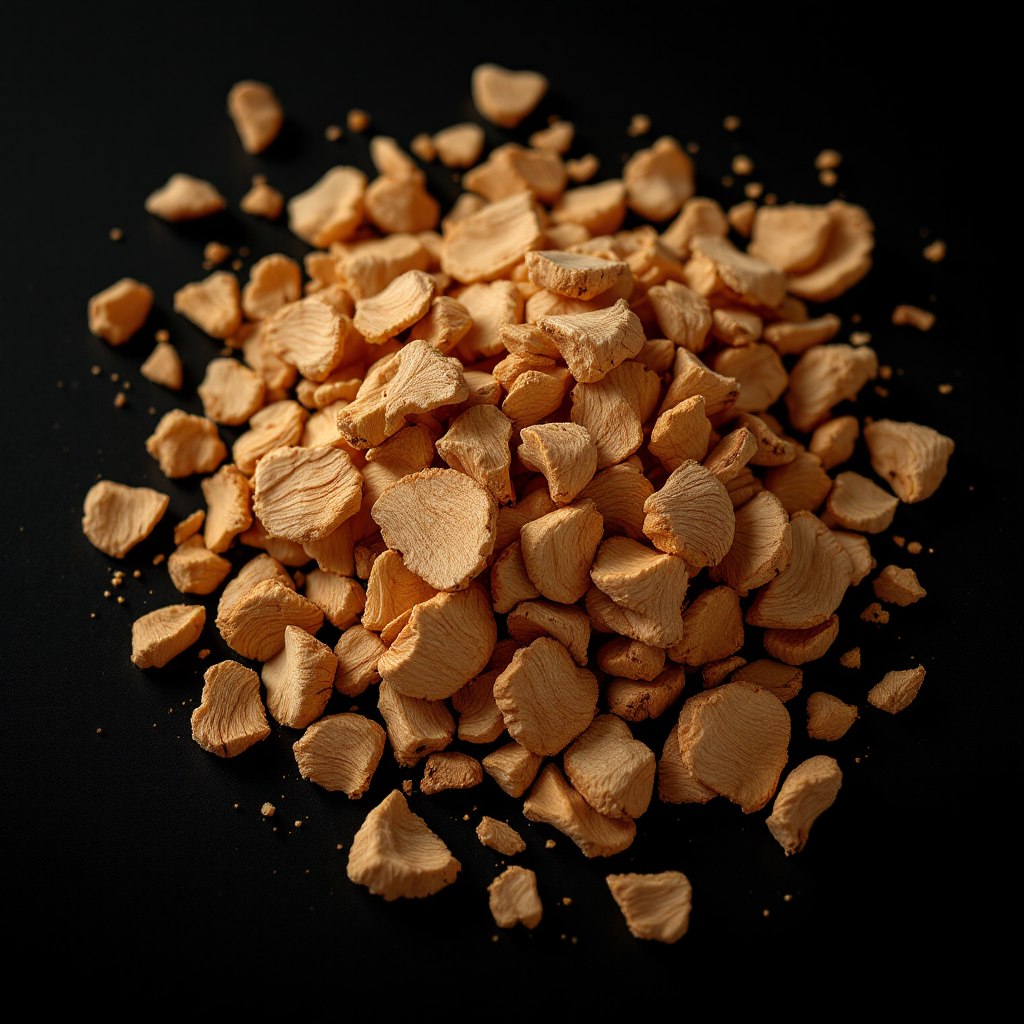
Brazilwood
Brazilian rosewood yields a warm, woody essential oil prized in fine perfumery. Once a global industry leader, this Amazonian resource carries both aromatic richness and ecological responsibility.
Character
How it smells
Where the Amazon meets the perfume bottle.
Brazil once supplied up to 90% of the world's rosewood oil, with production peaking at 300-480 metric tons annually in the mid-20th century.








Origin
Brazil
Indigenous Amazonian communities first recognized the aromatic value of pau-rosa long before European contact. Colonial-era traders discovered the wood and began exporting it as a fragrance material during the 18th century.
By the early 1900s, French perfumers had established Brazilian rosewood as a signature heart note ingredient. The industry boomed through the mid-20th century, making Brazil the dominant global supplier.
Overharvesting pushed wild populations to near-threatened status by the 1990s, prompting CITES protections and industry shifts toward sustainable sourcing. Today, Madagascar produces much of the commercial supply, while Brazilian operations focus on certified sustainable harvesting and replanting programs.
Wears it best
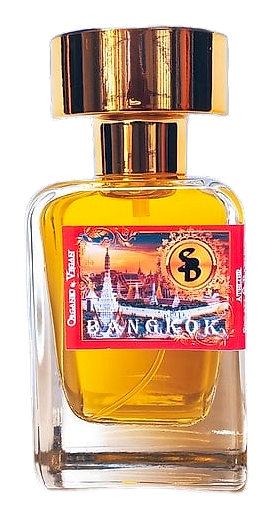
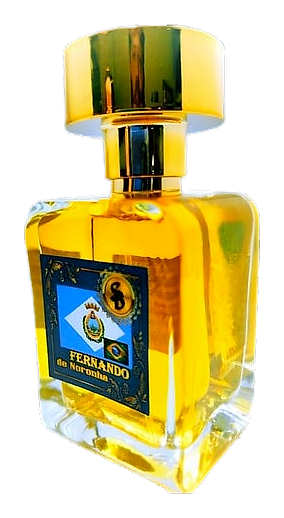
Fragrances featuring Brazilwood
Brands
Brands known for Brazilwood
Good to know
Questions, answered
The essentials on Brazilwood in perfumery: how it smells, where it comes from, and how it behaves on skin.
What does Brazilian rosewood smell like?
Brazilian rosewood essential oil has a warm, sweet-woody aroma with subtle floral and spice nuances. It blends particularly well with rose, jasmine, and other wood notes, adding depth and warmth to fragrance compositions.
Is Brazilian rosewood sustainable?
Wild Brazilian populations face conservation concerns after decades of overharvesting. Modern perfumers source from certified plantations or sustainable forestry operations in Brazil and Madagascar, where cultivation occurs under controlled conditions.
What parts of the rosewood tree are used for fragrance?
Distillers process the heartwood chips and sawdust from mature trees. The inner wood contains the highest concentration of aromatic compounds, making heartwood the primary material for essential oil extraction.
How is rosewood oil extracted?
Steam distillation pulls volatile aromatic compounds from chipped heartwood over several hours. The process separates the oil from hydrosol by density, yielding approximately 1 kg of oil from every 40-50 kg of processed wood material.
What are rosewood oil's key chemical components?
The oil is rich in linalool, which comprises 60-90% of typical compositions. Myrcene, geraniol, and 1,8-cineole appear in smaller quantities, contributing to the oil's characteristic warm-woody and slightly floral aroma.
How did Brazil become central to the rosewood trade?
Brazil supplied up to 90% of global rosewood oil through the mid-20th century. Its Amazonian forests held vast wild populations of Aniba rosaeodora, enabling industrial-scale extraction that dominated international markets.
Can synthetic alternatives replace natural rosewood?
Synthetic linalool replicates a major component but cannot fully match the complexity of natural rosewood oil. Natural extracts retain trace compounds that create the complete sensory profile perfumers value.
Which perfumes traditionally feature rosewood?
Classic 20th-century fragrances frequently incorporated Brazilian rosewood as a heart note. Modern formulations increasingly specify certified sustainable sources or sustainable alternatives while maintaining traditional olfactory characteristics.