The Story
Why it exists.
The beginning
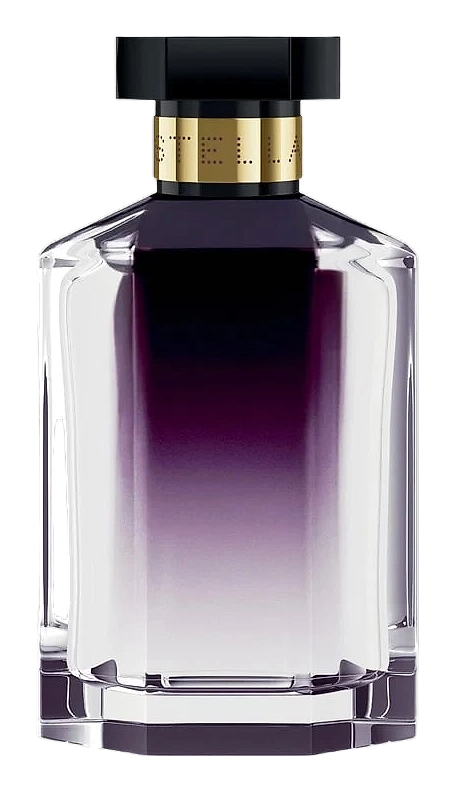
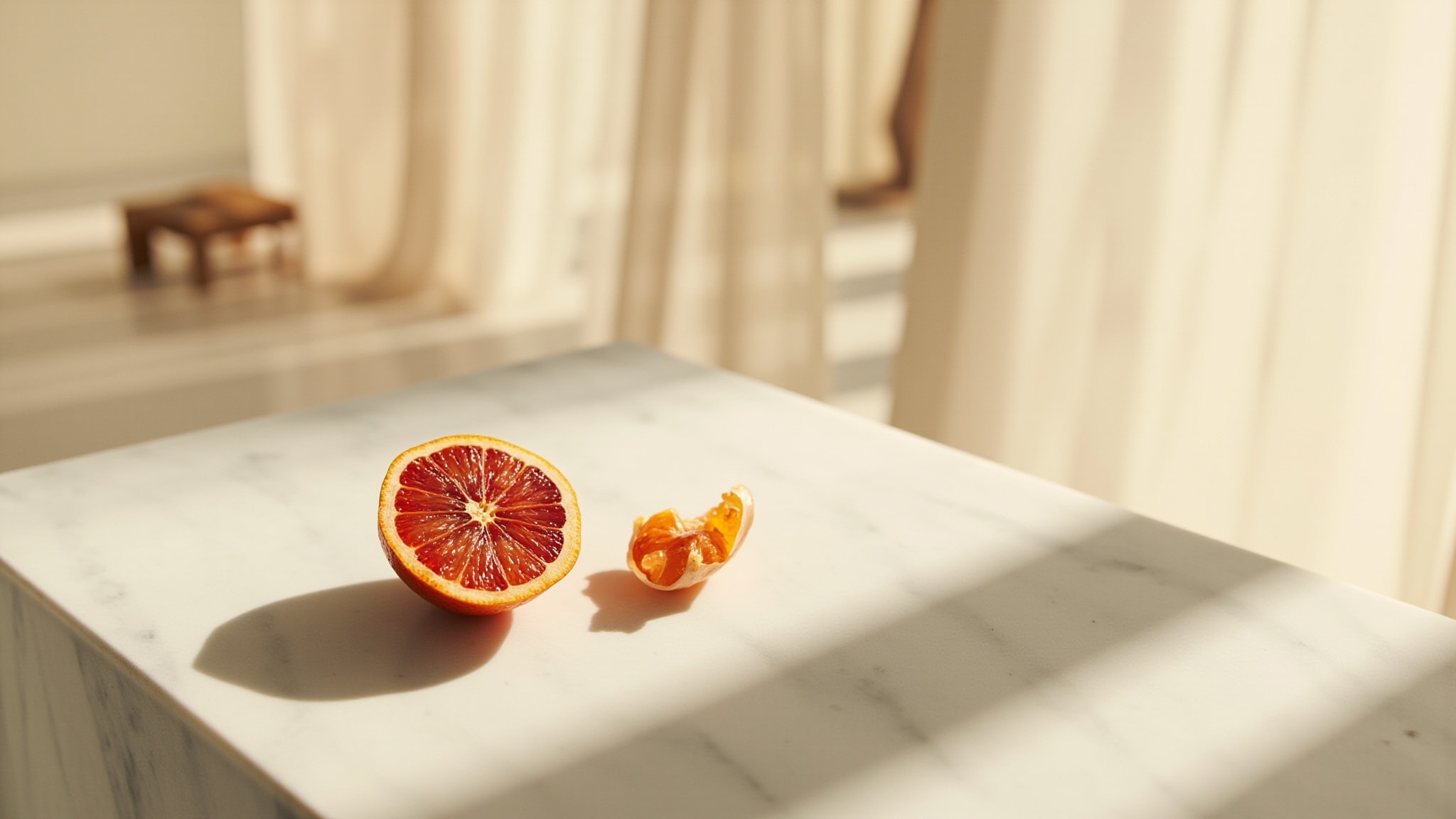
Stella by Stella McCartney was introduced in 2003 as the designer's first foray into fragrance, an extension of her aesthetic into a new sensory medium. The composition centers on a bright, uplifting citrus opening that immediately communicates warmth and femininity. Mandarin orange sets the tone at the top of the fragrance, offering a sweet yet tart impression that feels fresh and alive rather than synthetic. The florals that follow, rose and peony, soften the citrus and give the fragrance its character. Peony is somewhat unusual in mainstream perfumery, bringing a lush, full quality that prevents the scent from reading as delicate or overly precious. What results is a fragrance that feels confident in its femininity without leaning into sweetness or girlishness.
The structural choice that makes Stella interesting is the way the florals arrive. Mandarin orange opens bright and immediate, but the rose and peony don't wait in the wings. They emerge alongside the citrus, gradually taking over as the top notes recede, so that by the heart of the fragrance the florals are the dominant impression. This overlap creates a composition that feels less like a traditional pyramid and more like a single continuous moment unfolding. The rose in particular, while familiar in concept, carries a particular richness here that avoids the generic.
The evolution
The opening hits immediately with mandarin orange, bright and tart in a way that feels clean and energizing. The citrus arrives without preamble, offering immediate brightness that doesn't read as harsh or synthetic. There's no aquatic note here, no cool shimmer under the citrus. Instead, the opening is simply bright, straightforward, and inviting. For the first twenty minutes or so, Stella is citrus-forward, with the florals beginning to assert themselves gradually. The rose appears first, bringing its characteristic soft elegance, followed by peony's fuller, more lush quality. The peony is the element that gives the heart its particular character, adding richness and preventing the florals from feeling too austere or too delicate. This is where Stella becomes more interesting than a standard citrus-floral.
Cultural impact
Stella has maintained its presence for years through consistency rather than noise. It's the kind of fragrance that appears on recommendation lists for someone who wants something bright and feminine without the complexity of niche perfumery or the heavy projection of blockbuster releases. The composition holds up well against contemporaries in the citrus-floral category, offering a quality that feels comparable to options at higher price points. The fragrance reads as the scent of someone who doesn't need to announce themselves, someone confident enough in their own presence to let the scent work quietly rather than loudly.