The Story
Why it exists.
The beginning
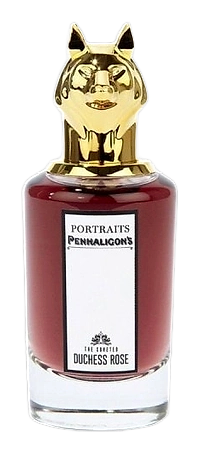
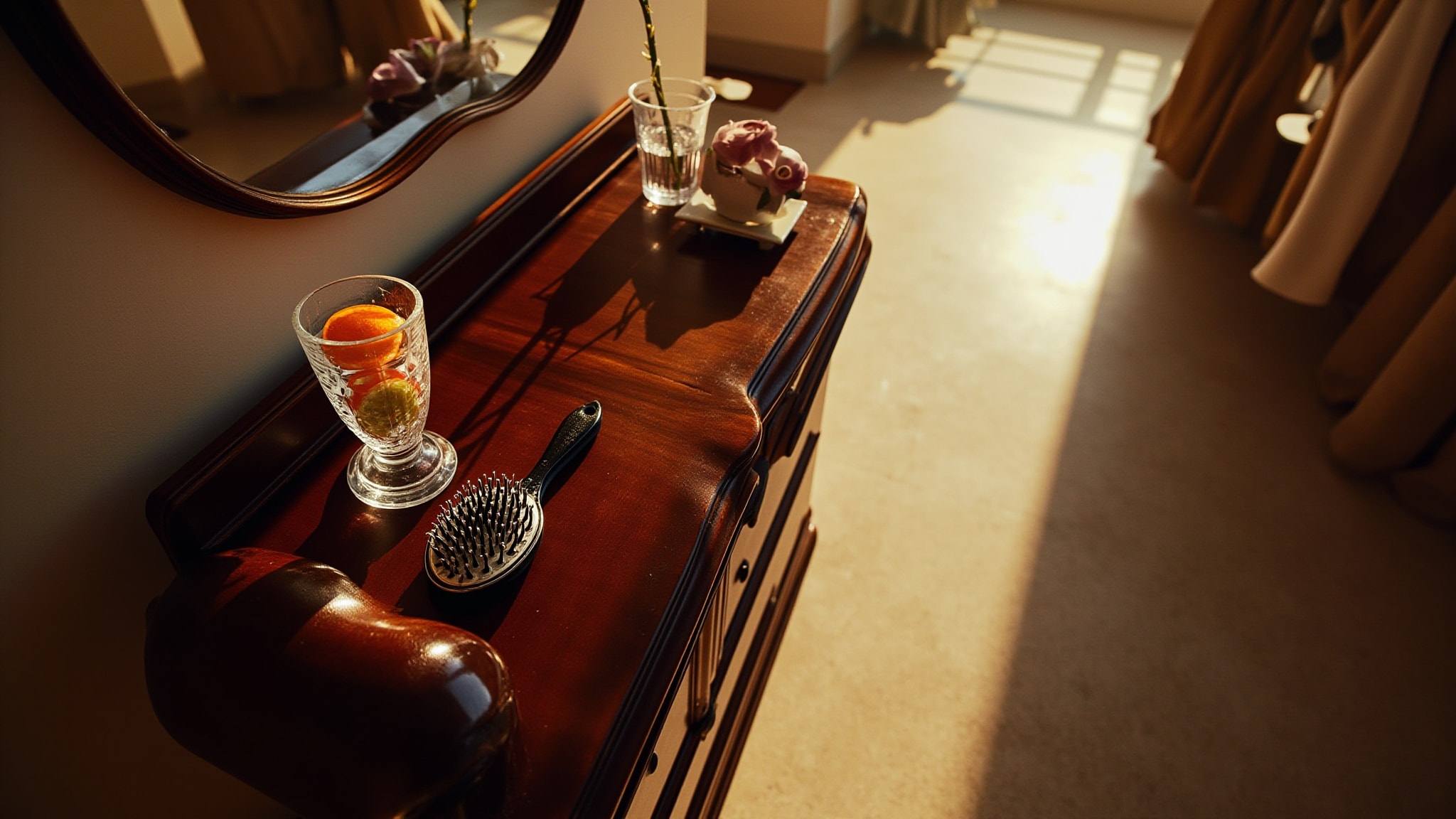
In 2016, Christophe Raynaud approached The Coveted Duchess Rose with a clear ambition: to craft a rose that hides more than it reveals. Inspired by Penhaligon's longstanding tradition of literary-inspired perfumery, he wanted a fragrance that would embody aristocratic intrigue. The brief was simple yet demanding: create something that captures the elegance of the Penhaligon's legacy while carrying a distinct sense of mischief. Raynaud found the answer in mandarin orange, a note chosen for its brightness and its ability to signal something playful about to unfold.
Raynaud chose mandarin orange to lead because he understood that a truly captivating rose must first catch attention. The mandarin does not compete with the rose; it announces it. The woody notes were selected to ground the composition, ensuring the floral heart never floats into abstraction. Finally, vanilla was added in restraint, chosen not for sweetness but for its ability to create depth and longevity, binding the entire structure into something cohesive and memorable.
The evolution
The scent journey begins with mandarin orange, its citrus brightness catching the light like a smile across a crowded ballroom. Within minutes the rose arrives, not as a sudden arrival but as a slow reveal, each petal unfurling with deliberate grace. As the fragrance settles into its drydown, woody notes emerge to support the rose, creating a foundation that feels both grounded and sophisticated. A touch of vanilla rounds the composition, adding warmth without sweetness, leaving an impression that lingers long after the first meeting.
Cultural impact
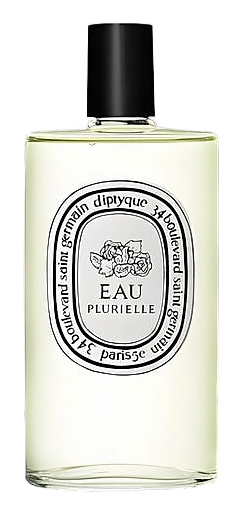
Since its 2016 debut, The Coveted Duchess Rose has become a staple for rose lovers seeking a modern twist, often mentioned alongside Stella McCartney’s rose Eau de Parfum and Diptyque’s Eau Plurielle in online discussions. Its mischievous rose profile resonates with fans of heritage houses that inject a cheeky edge into classic florals.