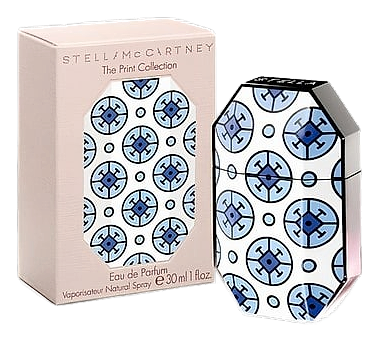
The Heritage
The Story of Stella McCartney
Stella McCartney is a British fashion and fragrance house founded by the designer of the same name. Since the launch of its first scent, Stella, in 2003, the brand has built a modest portfolio that includes Sheer Stella, Stella Rose Absolute and a limited Print Collection released between 2011 and 2012. The fragrances echo the label’s commitment to cruelty‑free ingredients and a modern, understated aesthetic that appeals to consumers who value both style and sustainability.
Heritage
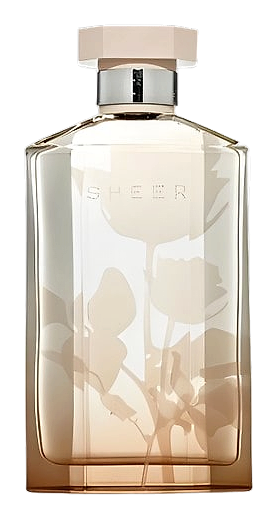
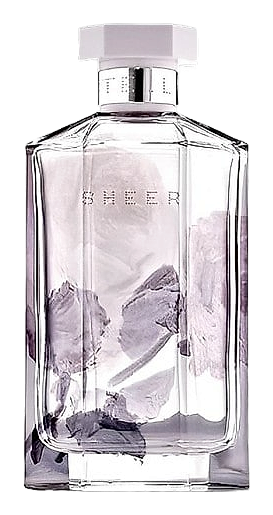
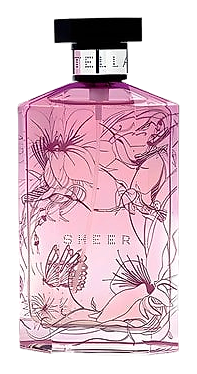
Stella McCartney opened her eponymous fashion house in 2001, debuting the first runway collection in Paris that October. The brand quickly earned a reputation for animal‑friendly design, a stance that extended to its fragrance line. In September 2003 the house introduced its inaugural perfume, Stella, created in collaboration with YSL Beauty. The scent featured a rose‑forward composition by perfumer Jacques Cavallier and was marketed without any animal‑derived ingredients. A limited‑edition Sheer Stella followed in 2007, offering a lighter, more transparent version of the original. 2005 saw the release of Stella Rose Absolute, a richer take on the rose motif that emphasized amber and musk. In 2009 Stella McCartney entered a licensing partnership with L'Oréal, granting the cosmetics giant responsibility for production, distribution and compliance with the brand’s ethical standards. The partnership enabled the launch of new flankers, including Sheer Stella 2011 and a series of Print Collection fragrances (Stella 01, 02, 03) released in 2011 and 2012, each paired with a distinct visual print inspired by the designer’s runway motifs. A 2014 relaunch of the original Stella updated the bottle design while keeping the scent formula unchanged, reinforcing the brand’s focus on timelessness over trend chasing. Over the past two decades the fragrance line has remained modest in size but consistent in its adherence to the founder’s values, positioning the house as a niche yet recognizable player in the luxury perfume market.
Craftsmanship
Production of Stella McCartney fragrances follows a structured process overseen by L'Oréal’s research and development teams, who work from a brief supplied by the fashion house. The original Stella was formulated by Jacques Cavallier, whose expertise in balancing floral and amber notes resulted in a composition that highlights rose without relying on animal‑derived absolutes. Subsequent flankers retain this ethos, using synthetic or plant‑based alternatives for traditionally animal‑based ingredients such as musk. Ingredient sourcing follows the brand’s sustainability charter: raw materials are procured from certified farms that adhere to fair‑trade practices, and the supply chain is audited for environmental impact. Quality control occurs at multiple stages, from laboratory stability testing to batch‑by‑batch organoleptic evaluation. The Print Collection fragrances, released in 2011‑2012, were produced in limited batches, allowing tighter oversight of raw material provenance and ensuring that each edition maintained consistent olfactory character. The 2014 bottle redesign employed recycled glass and a minimalist silhouette, reflecting the label’s commitment to reducing waste while preserving a premium tactile experience. Throughout, the brand avoids animal testing, a policy enforced by both Stella McCartney and its licensing partner, aligning with EU regulations and the founder’s personal convictions.
Design Language
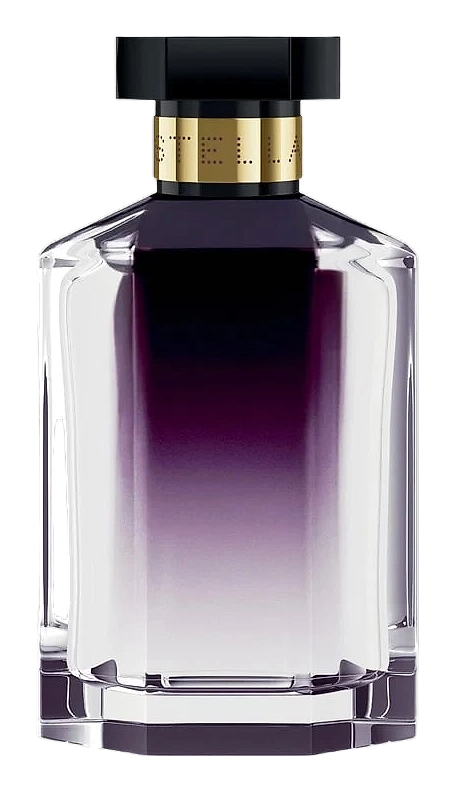
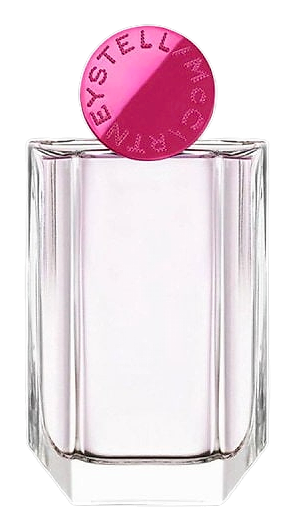
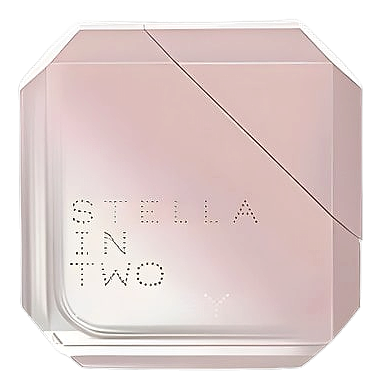
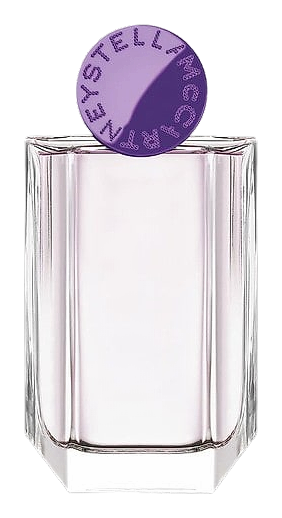
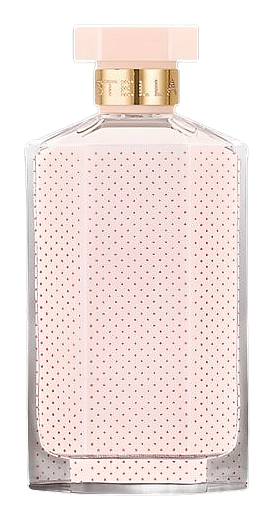
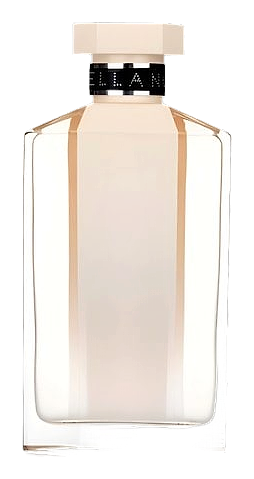
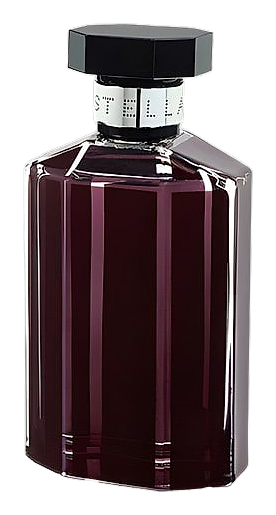
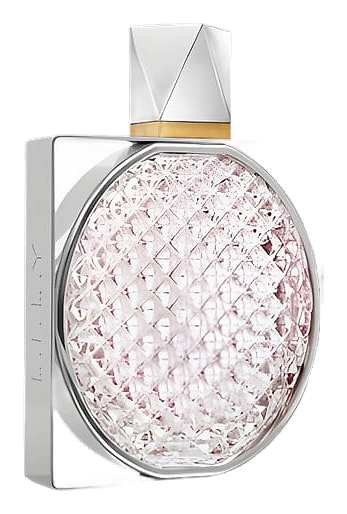
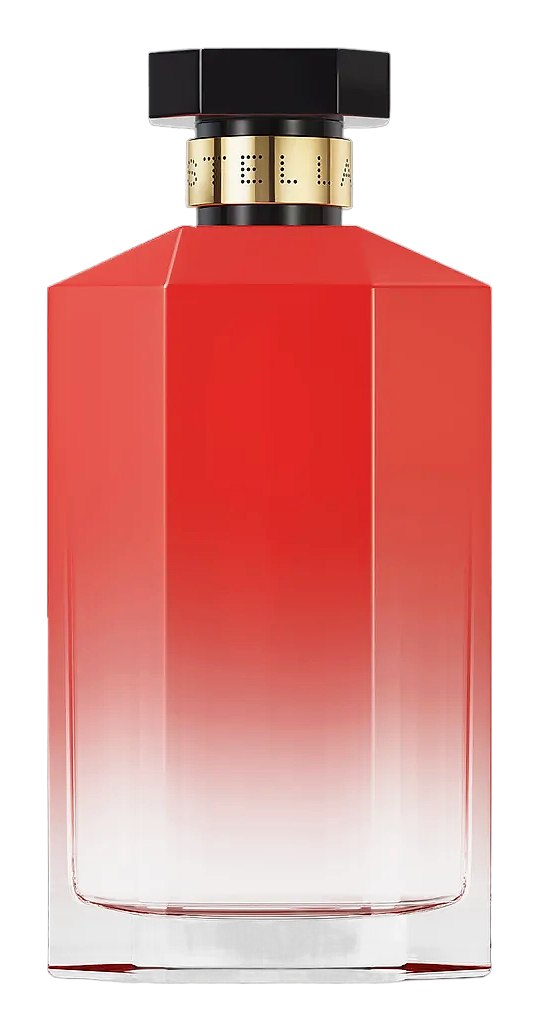
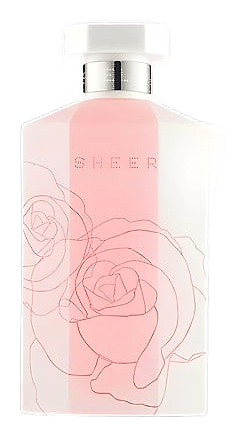
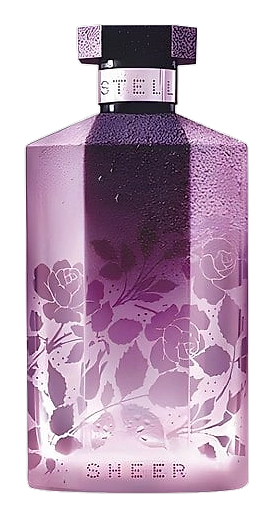
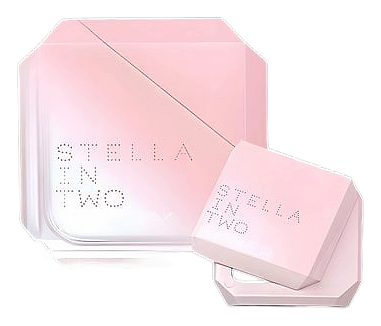
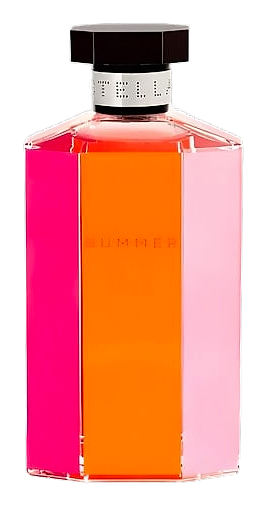
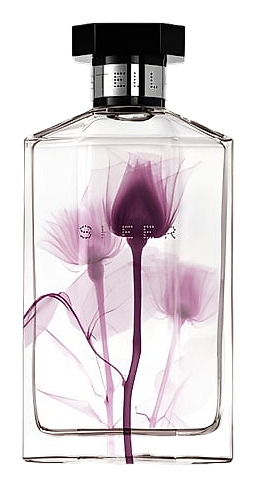
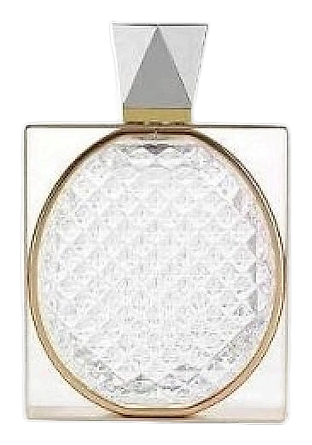
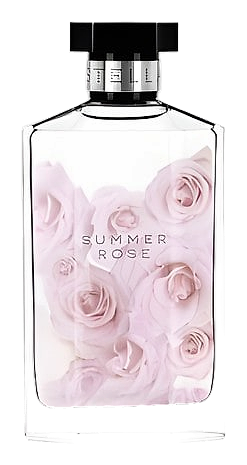
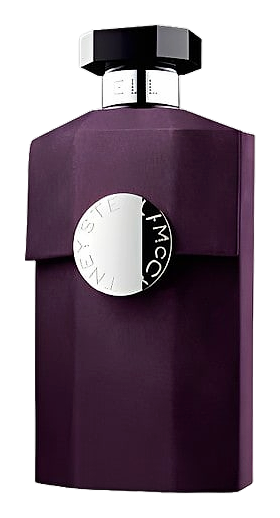
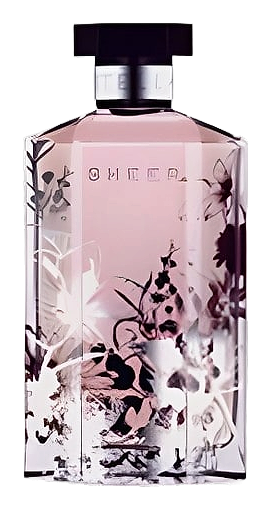
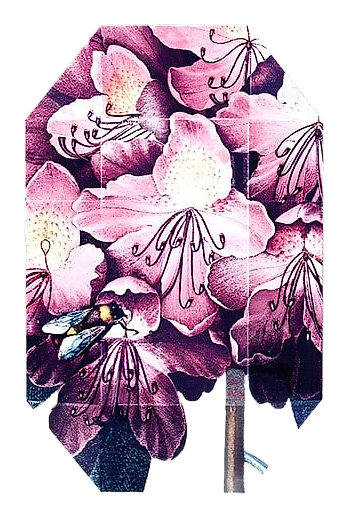
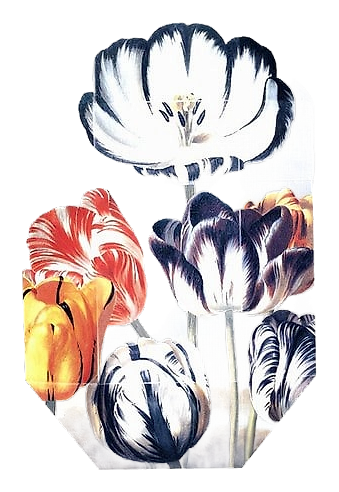
Visually, Stella McCartney’s fragrance line adopts the same clean lines and muted colour palette that define the fashion collections. The original Stella bottle featured a slender, frosted glass silhouette capped with a brushed metal top, echoing the minimalist tailoring of the clothing line. The 2014 redesign retained the glass form but introduced a matte black lacquer finish and a subtle embossed logo, reinforcing a contemporary yet timeless feel. The Print Collection series added a playful twist: each fragrance was housed in a clear glass bottle wrapped in a thin paper sleeve printed with a pattern taken directly from the season’s runway textiles. This approach linked scent and style, allowing the packaging to serve as a visual cue for the fragrance’s mood. Across all releases, typography remains understated, using sans‑serif fonts that convey clarity. Marketing imagery typically showcases the perfume alongside clothing pieces, set against neutral backdrops that let the product speak without distraction. The overall visual identity conveys a sense of quiet confidence, inviting the wearer to experience luxury that feels approachable rather than ostentatious.
Philosophy
The creative vision behind Stella McCartney’s scents mirrors the fashion side of the label: a dedication to sustainability, gender‑fluid expression and a refusal to compromise on quality. The brand’s statements emphasize that every ingredient must be sourced without harming animals, and that the olfactory narrative should feel effortless rather than theatrical. In interviews, Stella McCartney has described fragrance as an extension of clothing, a way to add an invisible layer that complements the wearer’s personality. The partnership with L'Oréal is framed as a practical means to achieve large‑scale production while maintaining strict cruelty‑free standards. Each launch is accompanied by a brief that references the season’s colour palette or textile pattern, ensuring that the perfume’s story aligns with the broader collection’s aesthetic. This approach positions the scents as wearable accessories rather than standalone statements, encouraging consumers to layer them with clothing in a way that feels natural and personal.

Key Milestones
2001
Stella McCartney launches her eponymous fashion house and presents the first collection in Paris.
2003
First fragrance, Stella, debuts; perfumer Jacques Cavallier creates a rose‑centric composition.
2005
Stella Rose Absolute releases, expanding the rose theme with amber and musk notes.
2009
Licensing agreement with L'Oréal established for fragrance development and distribution.
2011
Print Collection (Stella 01, 02, 03) launched, each paired with a distinct runway‑inspired print.
2014
Relaunch of the original Stella with a redesigned bottle that retains the original scent formula.
At a Glance
Brand profile snapshot
Origin
United Kingdom
Founded
2001
Heritage
25
Years active
Collection
2
Fragrances released
Avg Rating
4.0
Community sentiment
Release Rhythm


