
The Story
Why it exists.
The beginning
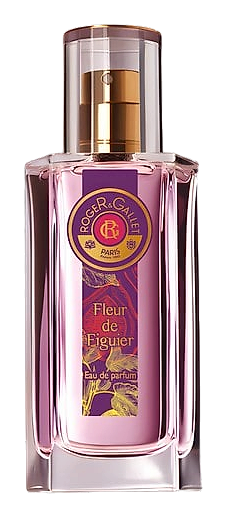
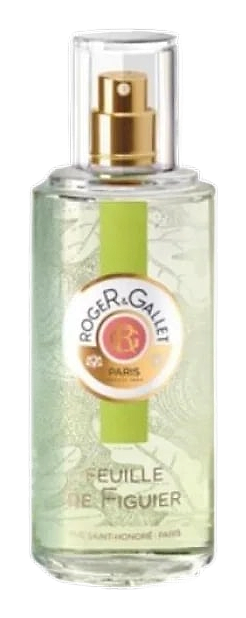
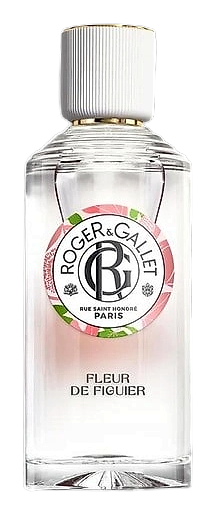
Francis Kurkdjian built Fleur de Figuier around a single premise: fig is the Mediterranean in a pod. Not as a supporting note. As the whole composition. The duality fascinated him. The fruit's sweet white flesh against the leaf's green, almost animalic cut when torn. Kurkdjian structured the fragrance to honor both. The citrus opens bright, framing the latex-like fig sap. The base holds cedar and musk, keeping that Mediterranean warmth alive on skin long after the sun moves on.
Kurkdirian has composed dozens of landmark fragrances, but Fleur de Figuier stands apart for its restraint. No dramatic top note to grab attention. The fig accord does the work. Fig nectar provides the creamy, slightly sweet, lactonic quality. Fig leaf adds the green, slightly bitter counterpoint. Cedar anchors the whole thing. The result is fig at its most complete, neither purely sweet nor purely green but both simultaneously. That's what makes it interesting.
The evolution
The opening arrives crisp. Mandarin and grapefruit brighten immediately, a citrus burst that reads sunny and clean. Beneath it, cumin whispers warmth. Not spicy exactly, but present, lending an earthy undertone that prevents the citrus from reading as superficial. The transition to the heart happens gradually, almost imperceptibly. The fig emerges slowly, not announcing itself. The sweetness arrives first, that milky nectar quality that feels almost edible. Then the green note surfaces, bitter-edged and alive, cutting through the creaminess to keep everything grounded. The combination is creamy and fresh at once, lactonic without being heavy. Fig leaf keeps it honest, ensuring the composition never drifts into pure sweetness. The drydown settles into cedarwood and musk. Fig nectar persists, softer now, woven into the wood, its lactonic quality mellowing into something more intimate.
Cultural impact
Fleur de Figuier has become a quiet staple for warm-weather rotations, particularly among wearers seeking authentic fig character without the characteristics often associated with niche fragrances. The fig-citrus combination receives consistent praise for its freshness, striking a balance that feels both natural and composed. Some find the fig presence subtler than expected, while others appreciate that restraint as honesty. It holds a loyal following as an everyday warm-weather companion rather than a statement piece, valued for its ability to remain present without overwhelming.
The House
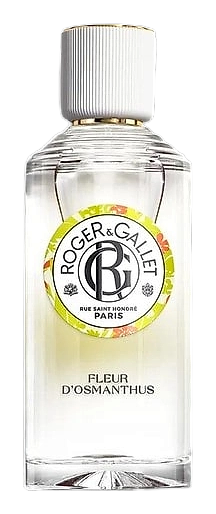
Roger & GalletRoger & Gallet is a Parisian perfume house that blends more than two centuries of aromatic science with a modern sensibility. Founded in 1862, the brand inherited the legacy of the Farina family, the original creators of Eau de Cologne, and has since built a catalogue that ranges from historic classics such as Fleurs d’Amour (1902) to contemporary releases like Fleur de Figuier (2021). Its fragrances are known for crisp citrus structures, refined floral accents and a quiet confidence that appeals to collectors and everyday wearers alike. The house also produces scented toiletries, candles and body care, extending its olfactory signature beyond the bottle.
The Creator
Francis KurkdjianFrancis Kurkdjian's signature style is characterized by a remarkable luminosity and a sophisticated elegance. He often employs a radiant, almost translucent quality in his compositions, even when working with rich or dense materials.