The Story
Why it exists.
The beginning
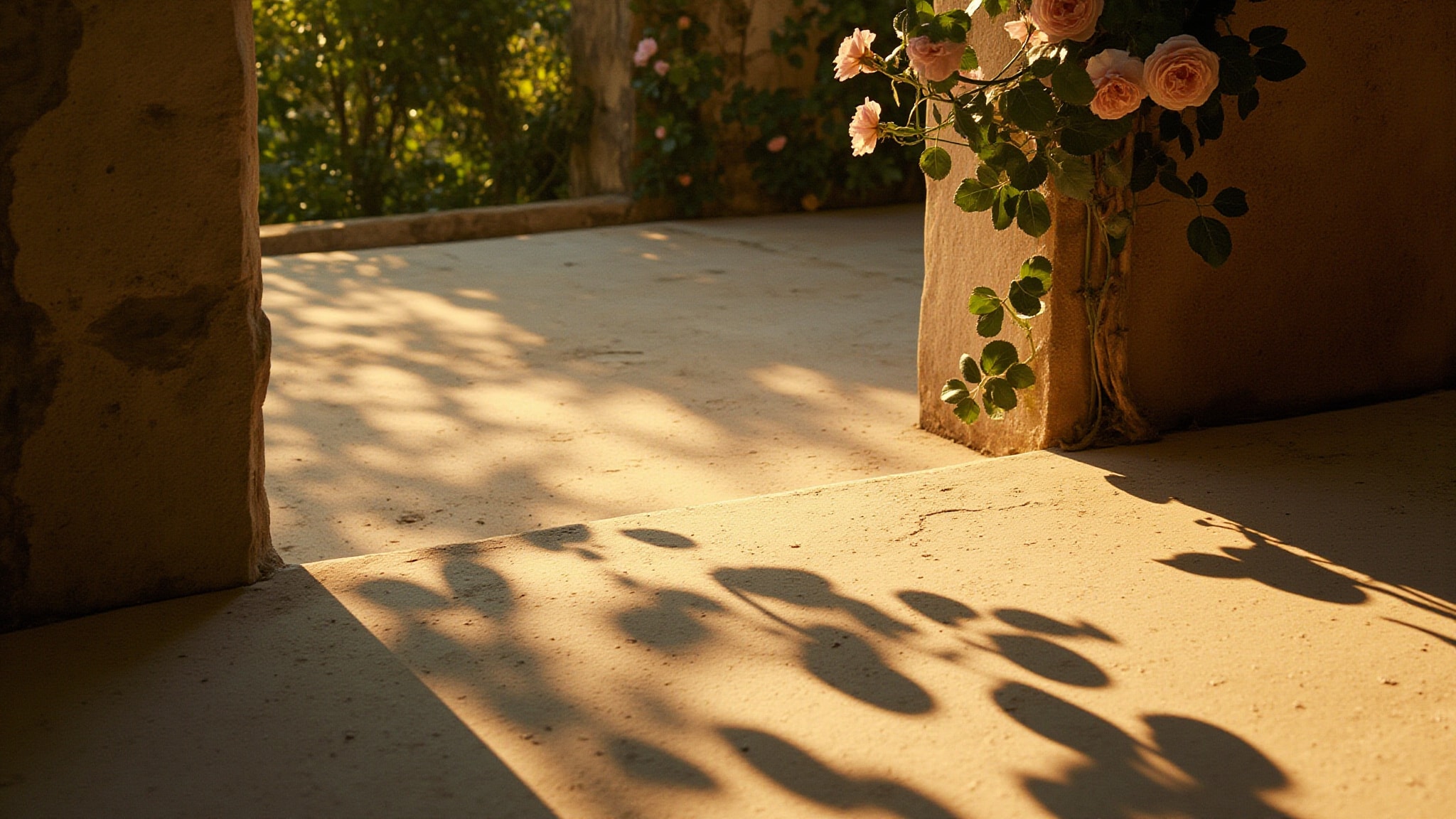
Francis Kurkdjian built his career on a rare skill: making luxury feel effortless. For Dioriviera, released in 2023 as part of La Collection Privée, he drew inspiration from the rose garden near Château Noire in the South of France, a specific place, not just a mood. Kurkdjian chose fig and rose as his central duo, two materials that rarely share the same composition without one drowning the other. The challenge was making them coexist. In the opening, fig leaf arrives crisp and green, its lactonic sweetness softened by the vegetable water of the fruit itself. The rose appears gradually, not as a statement but as a whispered counterpoint, its petals dewy and honeyed against the green backdrop.
What makes this pairing work is timing. The fig note here encompasses both the green, slightly milky scent of the leaf and the deep, jammy sweetness of the ripe fruit, a broader fig interpretation than most. The rose doesn't compete directly; it flanks the fig, amplifying its sweetness rather than cutting through it. The result is an elegantly fruity green floral that smells like a specific summer afternoon, not a generalized sunny disposition. Kurkdjian has long understood that restraint is harder than abundance, and Dioriviera is proof.
The evolution
The opening arrives bright and immediately green, fig leaf, not fig fruit. It's the smell of breaking a stem and holding it to your nose, sap still wet. Within minutes, the rose emerges, soft and warm, threading through the green like late-afternoon light through trees. The transition isn't dramatic; it feels like one sensation settling into another. By the second hour, the fig fruitiness deepens slightly, a honeyed warmth that keeps the composition from turning sharp or astringent. The drydown is quiet. Clean. The kind of skin-scent that someone notices when they're standing close.
Cultural impact
Kurkdjian chose fig and rose as his central duo, two materials that rarely share the same composition without one drowning the other. The pairing brings an unexpected vibrancy to the luxury space, where green and floral notes rarely command this much attention together. Fig offers a dual character: the verdant brightness of its leaf and the sweet milkiness of its fruit, while rose contributes a quiet elegance that keeps the composition grounded. The result is a fragrance that rewards attention, shifting subtly as the day unfolds, revealing different facets as the fig and rose interact with the wearer's skin.