Fig Nectar
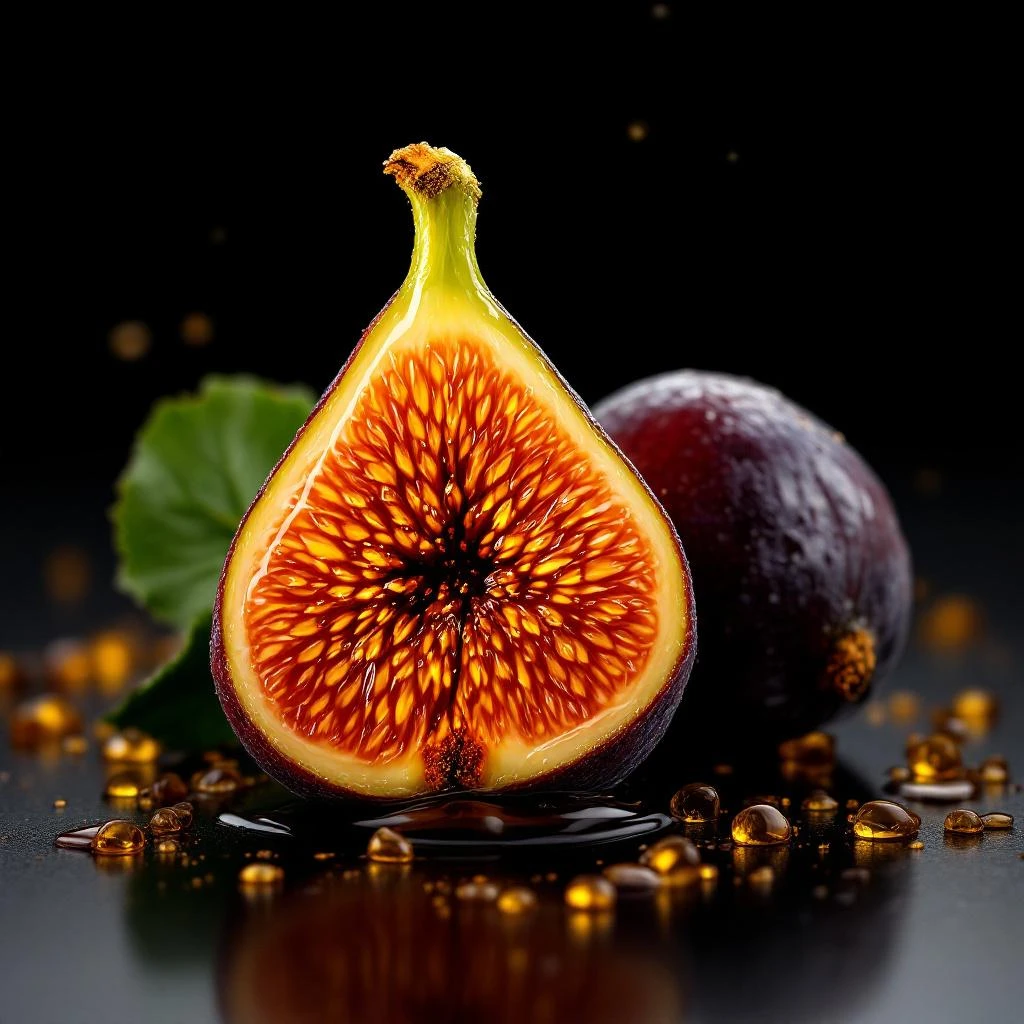
Fig Nectar captures the irresistible sweetness of the Mediterranean fig without seasonal limits. This synthetic accord reproduces the fruit's creamy pulp, green leaf notes, and warm woodiness in one complex, sun-kissed scent profile.
Character
How it smells
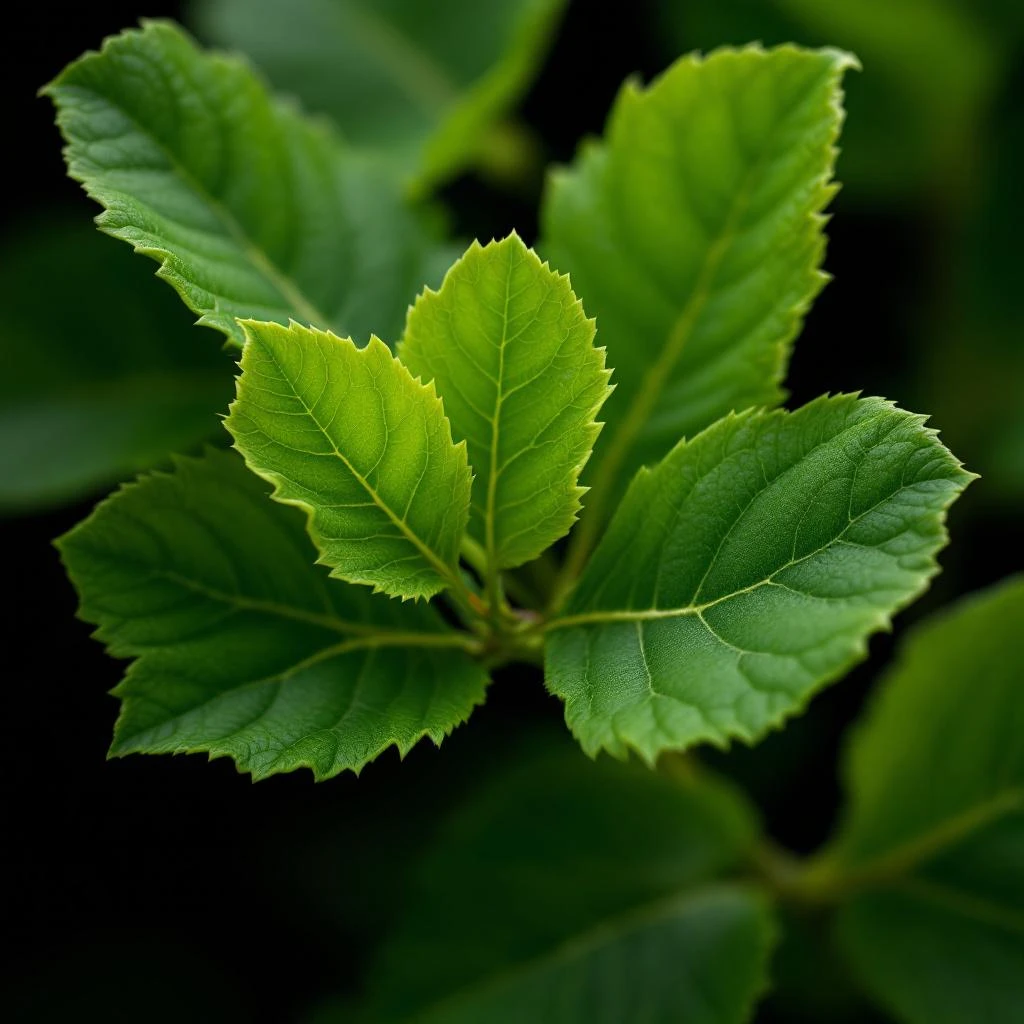
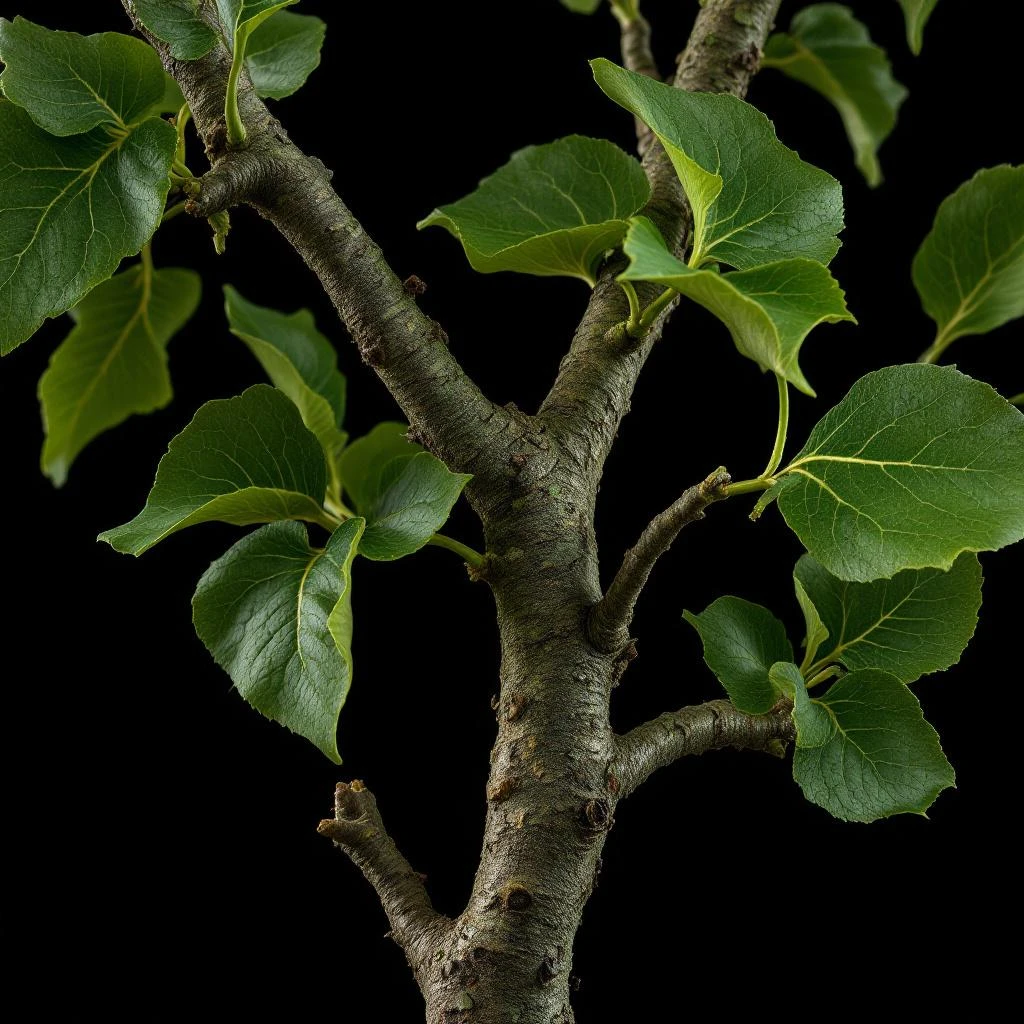
Green, creamy, warm. One fruit, three souls.
Archaeological evidence places human fig cultivation as far back as 9400 BC in the Jordan Valley, predating even wheat and barley.






Origin
Jordan Valley
The fig tree holds deep roots in Mediterranean and Middle Eastern civilizations, representing fertility, prosperity, and peace across Greek, Roman, and biblical traditions. Archaeological evidence places human fig cultivation at 9400 BC in the Jordan Valley, making it among the earliest cultivated fruits. During the Middle Ages, monks and nobles prized figs highly, growing them in monastery gardens and using them in pastries and preserves.
The fruit carried religious and medicinal significance alongside culinary uses. Despite centuries of appreciation for the fresh fruit, perfumery only began exploring fig's aromatic potential in recent decades. The breakthrough came in 1994 when Olivia Giacobetti created Premier Figuier for L'Artisan Parfumeur.
Her colleagues dismissed the idea of leading with fig, yet the fragrance became one of the house's signatures and the benchmark for fig scents. She followed with Diptyque's Philosykos in 1996, cementing the modern fig accord that countless perfumers have since adopted and adapted.
Wears it best
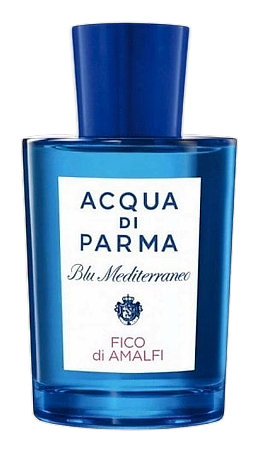
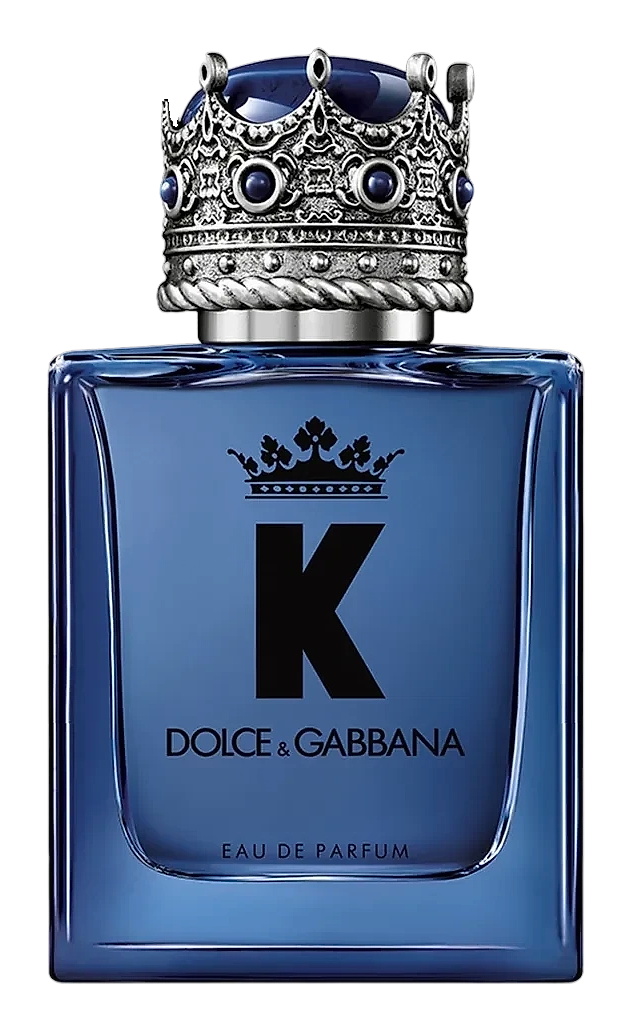
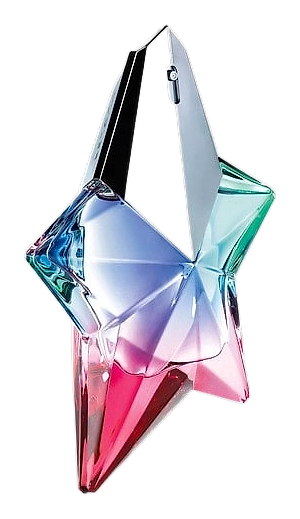
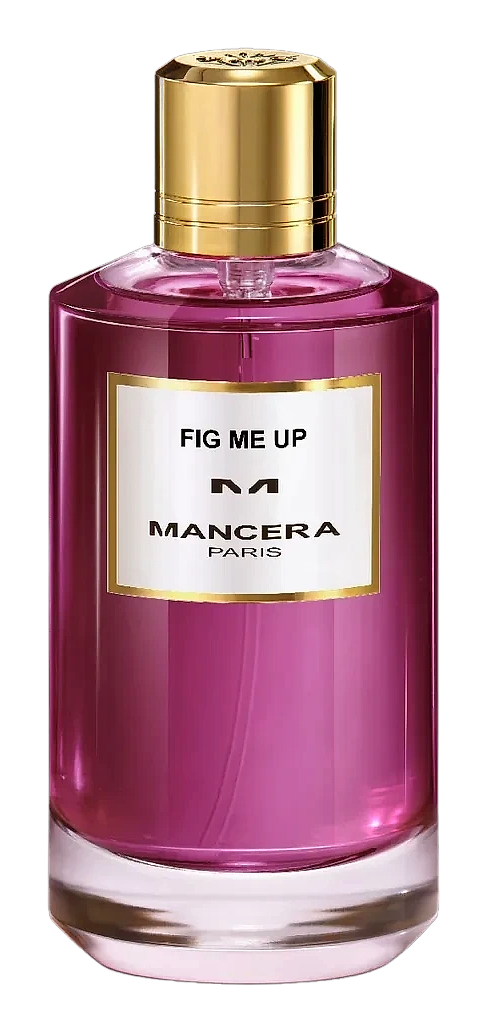
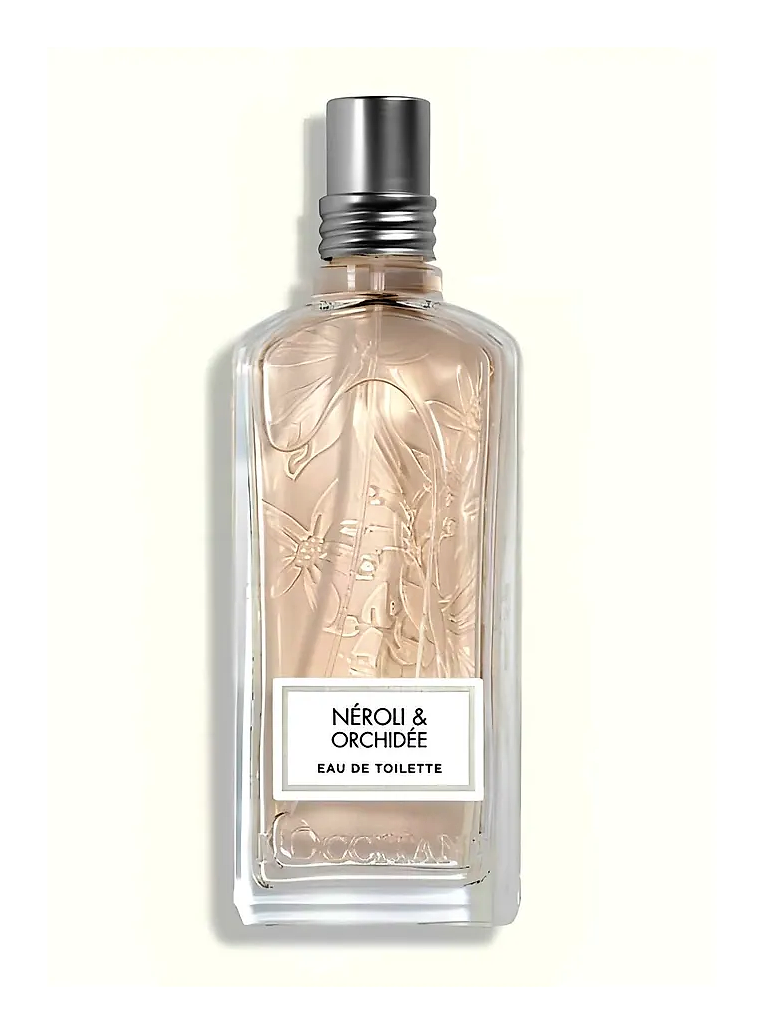
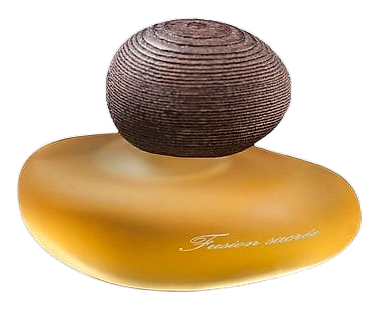
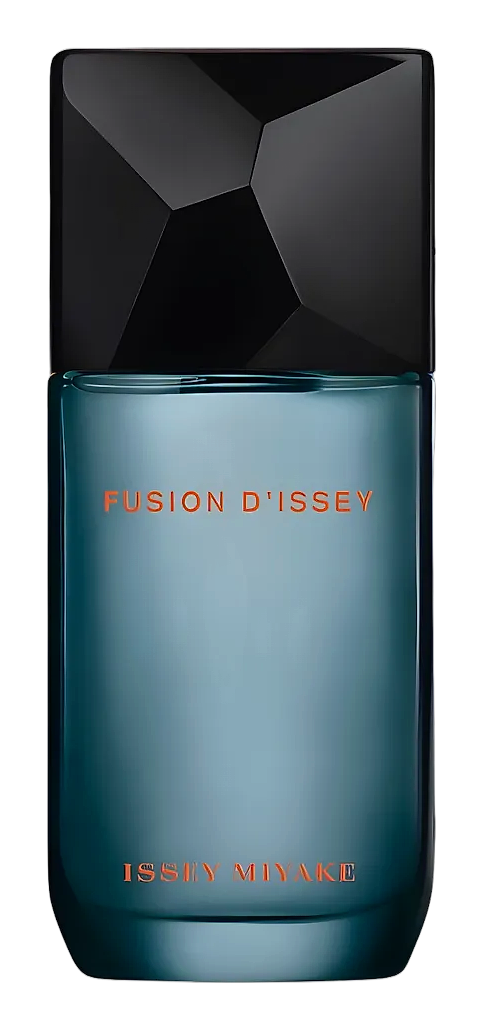
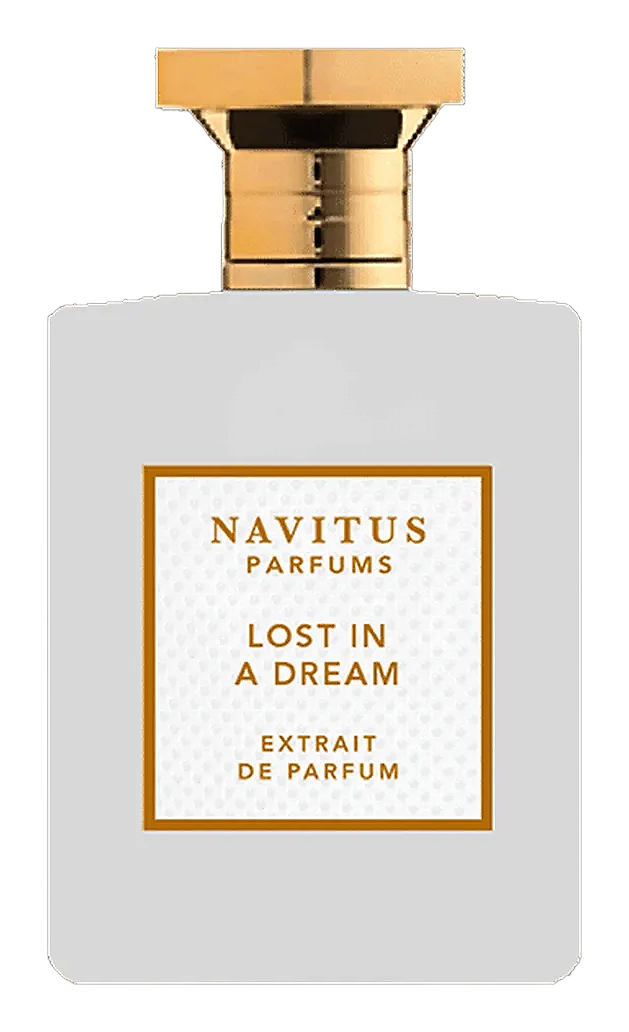
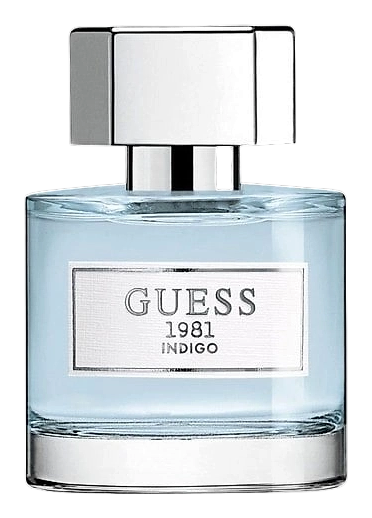
Fragrances featuring Fig Nectar



Brands
Brands known for Fig Nectar
Good to know
Questions, answered
The essentials on Fig Nectar in perfumery: how it smells, where it comes from, and how it behaves on skin.
What is Fig Nectar in perfumery?
Fig Nectar is a synthetic accord that recreates the fig's complex aroma. It combines green, lactonic, and woody notes to capture the fruit's skin, pulp, and milky latex character.
Why are most fig fragrances synthetic?
The fig fruit yields almost no extractable essential oil through traditional methods. Headspace technology and molecular reconstruction allow perfumers to capture and reproduce fig's aromatic profile accurately.
What molecules create the fig accord?
Two crucial ingredients form the backbone: stemone delivers the green, coconut-like leaf quality, while octalactone gamma creates the creamy, lactonic fruit character.
What does fig smell like?
Fig presents three distinct layers: the green, almost bitter scent of leaves; the juicy, sweet, creamy pulp; and the warm, earthy wood. This complexity makes fig uniquely versatile in perfumery.
Who created the first major fig fragrance?
Olivia Giacobetti in 1994 created Premier Figuier for L'Artisan Parfumeur, becoming the first perfumer to give fig a leading role. She later created Diptyque's Philosykos in 1996, establishing the modern fig accord.
Can natural fig essential oil be extracted?
No. Traditional extraction methods yield almost nothing from fig fruit. Modern fig fragrances are entirely synthetic constructions built from molecules like stemone and octalactone gamma.
How does a fig accord develop on skin?
A good fig fragrance evolves over hours on skin. Lighter, greener top notes gradually reveal deeper, creamier layers underneath. The complexity rewards patience and extended wearing.
What fragrances defined the fig category?
Two Giacobetti creations set the standard: L'Artisan Parfumeur's Premier Figuier (1994) captures late August warmth and green fig milk, while Diptyque's Philosykos (1996) established the classic fig accord. Both remain benchmarks.