


The Story
Why it exists.
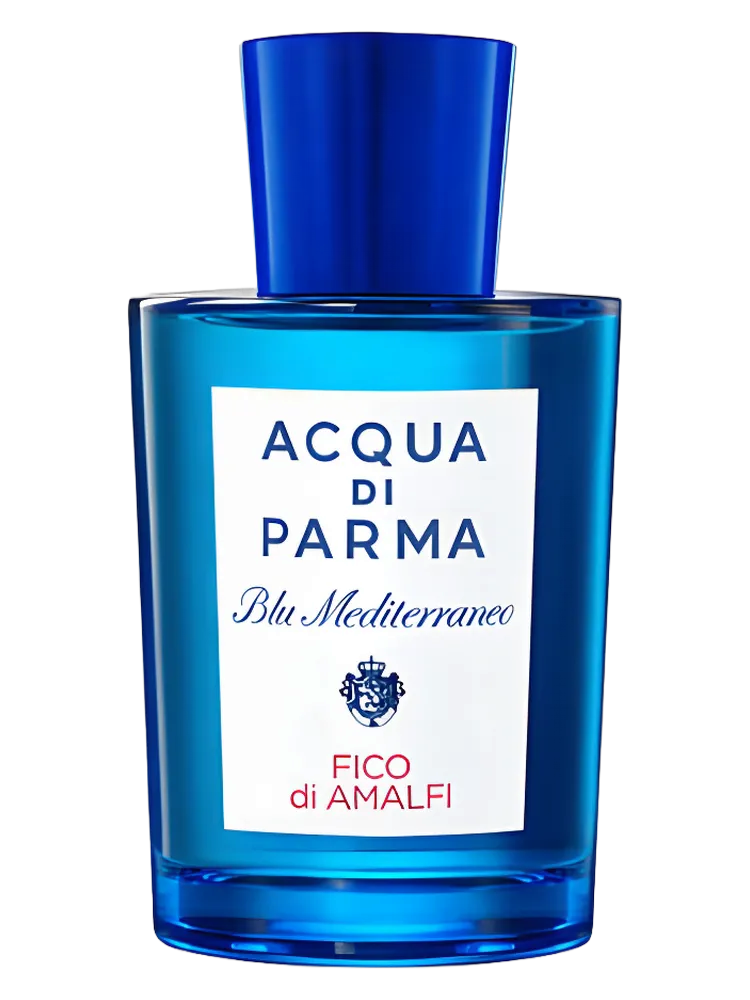
The Blu Mediterraneo collection is Acqua di Parma's love letter to the Italian coastline. Fico di Amalfi draws inspiration from the Amalfi Coast and its fig trees, their fruit ripening in the summer heat above the sea. Released in 2006 as an eau de toilette, the fragrance opens with crisp citrus notes before softening to reveal the unexpected warmth of fig at its heart. The goal was to translate that lush, sun-drenched coastal landscape into scent, the creamy sweetness of ripe fruit balanced against brighter top notes, grounded by woody elements that evoke the shadow beneath the trees. It's a composition that feels both immediate and intimate, the kind of fragrance that makes you want to lean closer.
If this were a song
Community picks
Estate
Baker Boy
The Beginning
The Blu Mediterraneo collection is Acqua di Parma's love letter to the Italian coastline. Fico di Amalfi draws inspiration from the Amalfi Coast and its fig trees, their fruit ripening in the summer heat above the sea. Released in 2006 as an eau de toilette, the fragrance opens with crisp citrus notes before softening to reveal the unexpected warmth of fig at its heart. The goal was to translate that lush, sun-drenched coastal landscape into scent, the creamy sweetness of ripe fruit balanced against brighter top notes, grounded by woody elements that evoke the shadow beneath the trees. It's a composition that feels both immediate and intimate, the kind of fragrance that makes you want to lean closer.
What makes Fico di Amalfi distinctive is the way it handles fig, most fragrances treat it as a Supporting note, something that adds sweetness to a fruity composition. Here, fig milk and fig nectar drive the heart and drydown, backed by cedar and benzoin rather than the usual musk or amber. The pink pepper adds a faint spice that lifts the creaminess without interrupting it. Citron, a citrus cousin rarely featured as a named top note, gives the opening a slightly bitter, aromatic edge that recalls the plant's Mediterranean roots. It's a composition that trusts the fig to do the heavy lifting, rather than hiding it beneath a wall of florals.
The Evolution
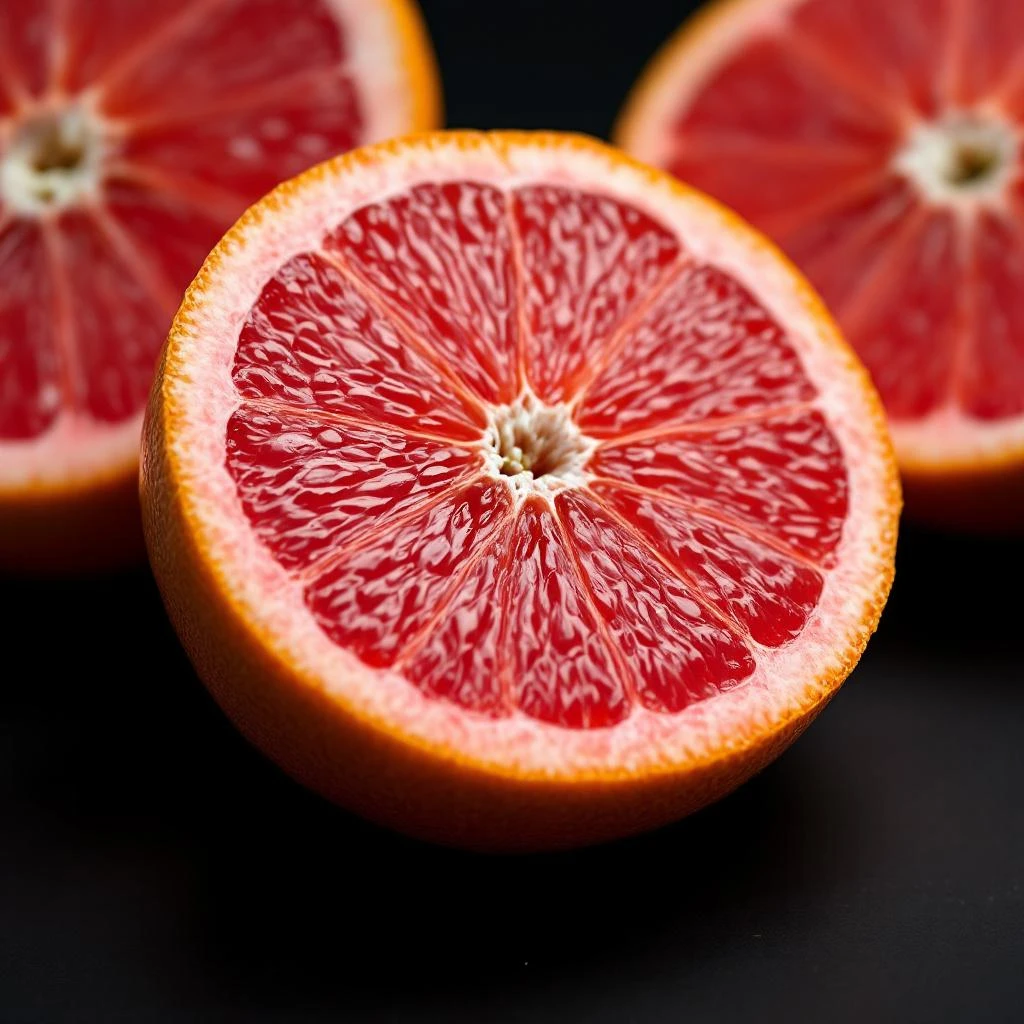
The opening is all citrus, grapefruit's bitterness, bergamot's brightness, a flash of lemon, and that aromatic citron edge that sets it apart from the usual lemon-dominated Italian fragrances. It reads clean, immediate, and sharp. Within minutes, the fig nectar arrives. Not a green fig or a leafy stem, the sweet, milky fruit itself, creamy and warm against the citrus. Jasmine threads through subtly, keeping the heart from becoming too heavy. The pink pepper barely registers as spice; it reads more as lift, a faint effervescence that keeps the composition from settling too quickly. The drydown is where this fragrance earns its reputation. Cedar emerges as the dominant force, warm and dry, while benzoin adds a faint resinous sweetness that rounds the edges. The fig milk note, that characteristic milky-cream quality of ripe fig, persists close to the skin for hours. On fabric, the cedar and benzoin last longest, holding on well into the next day as a quiet, warm memory.
Cultural Impact
Acqua di Parma emerged from Parma, Italy, with an aesthetic rooted in the sunlit refinement of its homeland. The house created Colonia, establishing itself as a benchmark for Italian perfumery. Blu Mediterraneo represents a different register for the house, less about signature style and more about sensory exploration, translating specific Mediterranean landscapes into fragrance form. Fico di Amalfi in particular has come to represent a certain idea of Italian coastal luxury, one that's rooted in abundance and warmth rather than ostentation.
The House
Italy · Est. 1916
Baron Carlo Magnani created Acqua di Parma in 1916 as his own signature scent. What began as one fragrance has become synonymous with Italian sophistication. Colonia, the house's founding creation, holds the distinction of being the first true Italian Eau de Cologne, and it remains unchanged today. Over a century later, the house still captures the essence of la dolce vita, pairing Mediterranean brightness with an understated luxury that appeals to those who prefer refinement to ostentation.
If this were a song
Community picks
A Mediterranean afternoon sounds like this, bright and unhurried, with warmth that builds rather than fades. The citrus opening hits like sunlight on water, then fig and jasmine soften everything into something creamier, more intimate. The drydown is the sound of a place you don't want to leave. The track list leans into Italian coastal energy: warm, slightly nostalgic, effortlessly stylish.
Estate
Baker Boy