Reseda
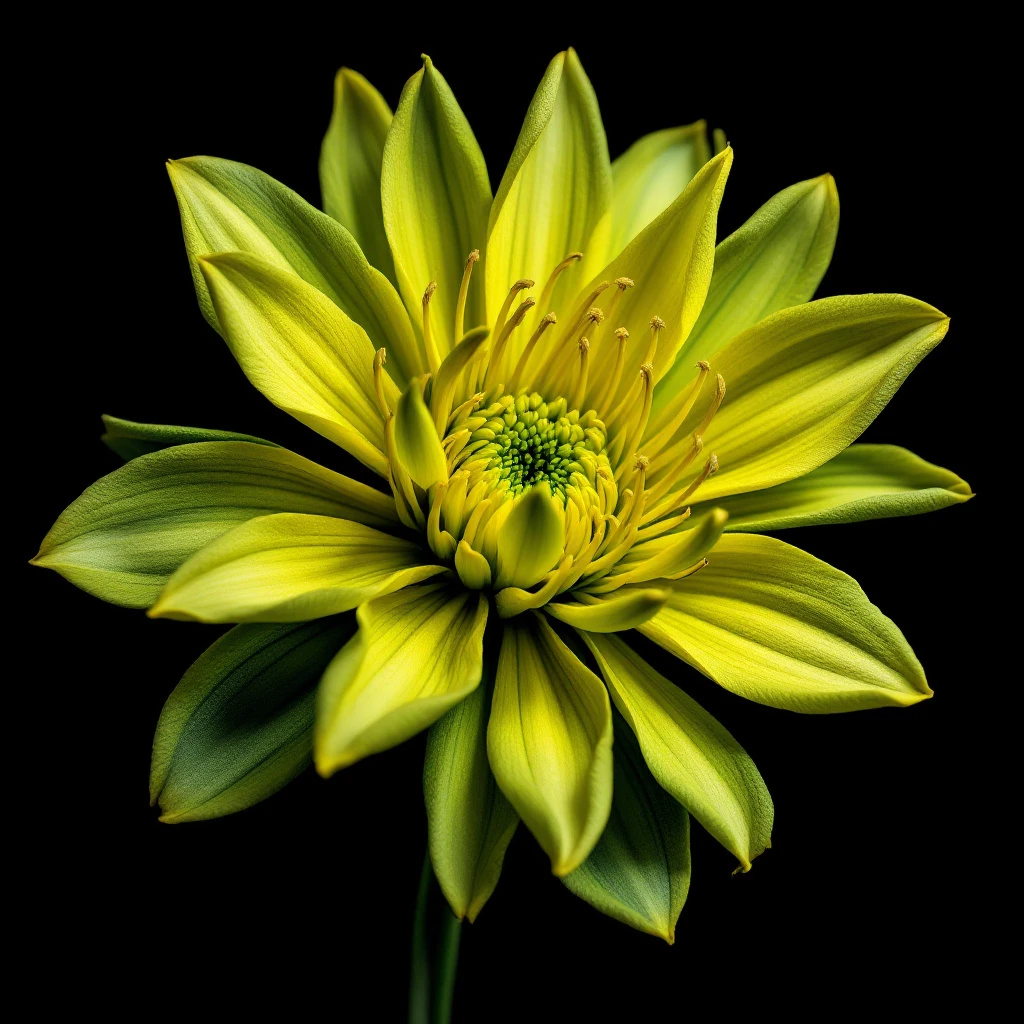
Reseda, or mignonette, offers a rare green-floral whisper that perfumers once prized above rose. Its delicate, slightly bitter scent carries grassy freshness wrapped around a soft, honeyed heart.
Character
How it smells
The forgotten green-floral of 19th-century perfumery
Napoleon reportedly ordered reseda seeds shipped to his wife Josephine from every campaign, making it one of the first politically curated garden plants in history.








Origin
Turkey
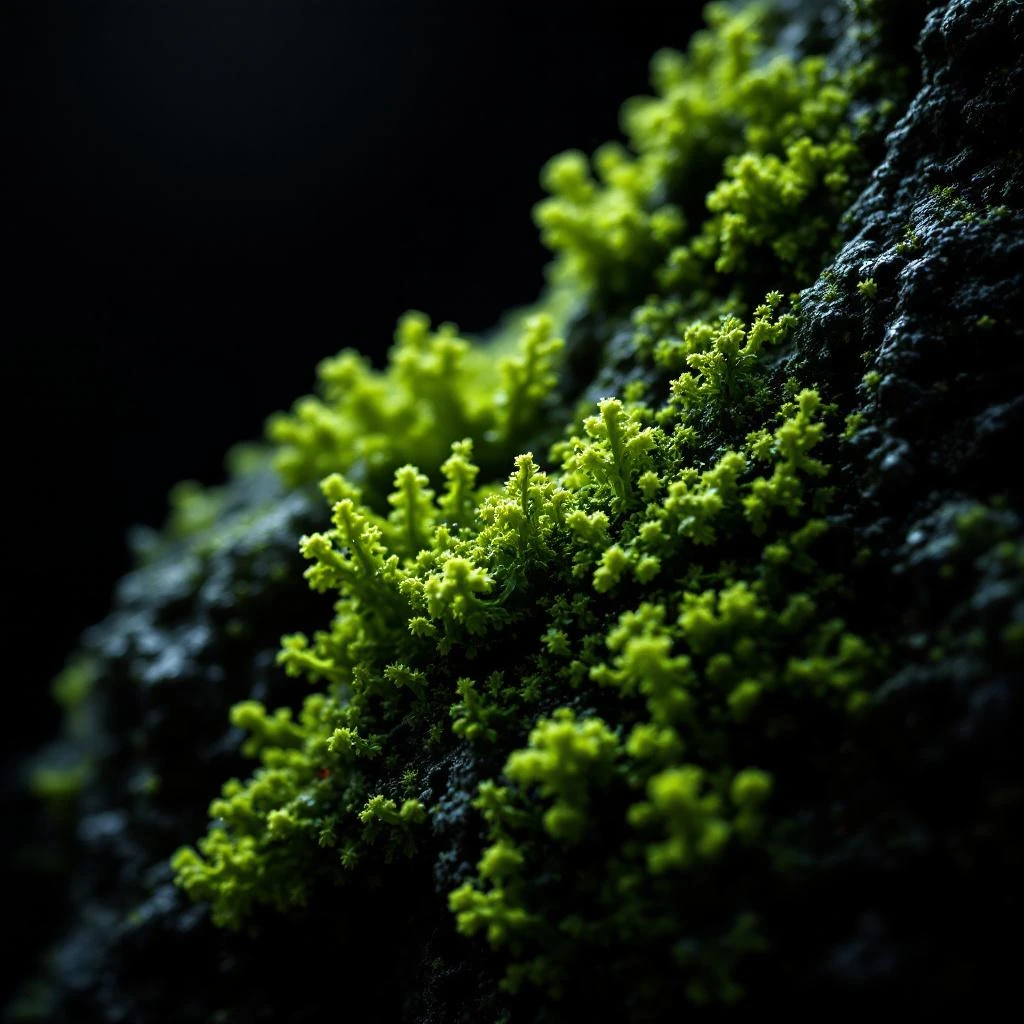
Reseda odorata, commonly called mignonette, originated in Asia Minor and North Africa, with Reseda minoica recognized as its wild progenitor. The plant reached European gardens in the early 18th century and quickly became a favorite of the French court. Napoleon Bonaparte reportedly instructed his couriers to bring seeds back to Josephine from every military campaign, and the Empress cultivated extensive reseda beds at Malmaison.
By the mid-1800s, mignonette was commercially cultivated around Grasse and in southern France for its prized flower oil. The name 'reseda' itself travels back to Pliny the Elder, who used the Latin word to describe a plant credited with sedative and healing properties. The closely related Reseda luteola, or weld, served as a yellow dye source as early as the first millennium BC.
As 20th-century perfumery shifted toward more abundant materials, natural reseda absolute faded from common use, leaving its green-floral ghost alive mostly through synthetic reconstructions.
Wears it best
Fragrances featuring Reseda
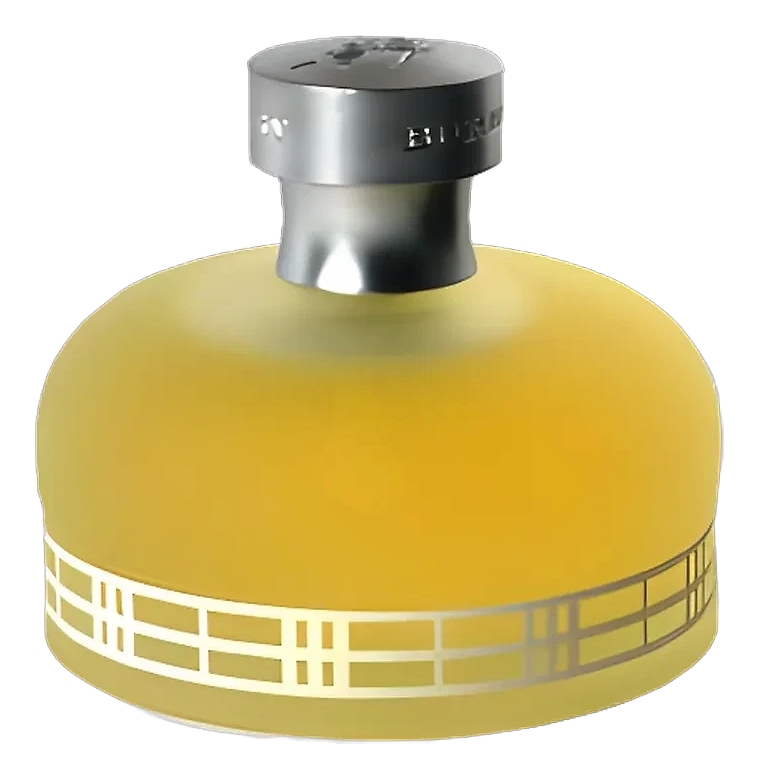
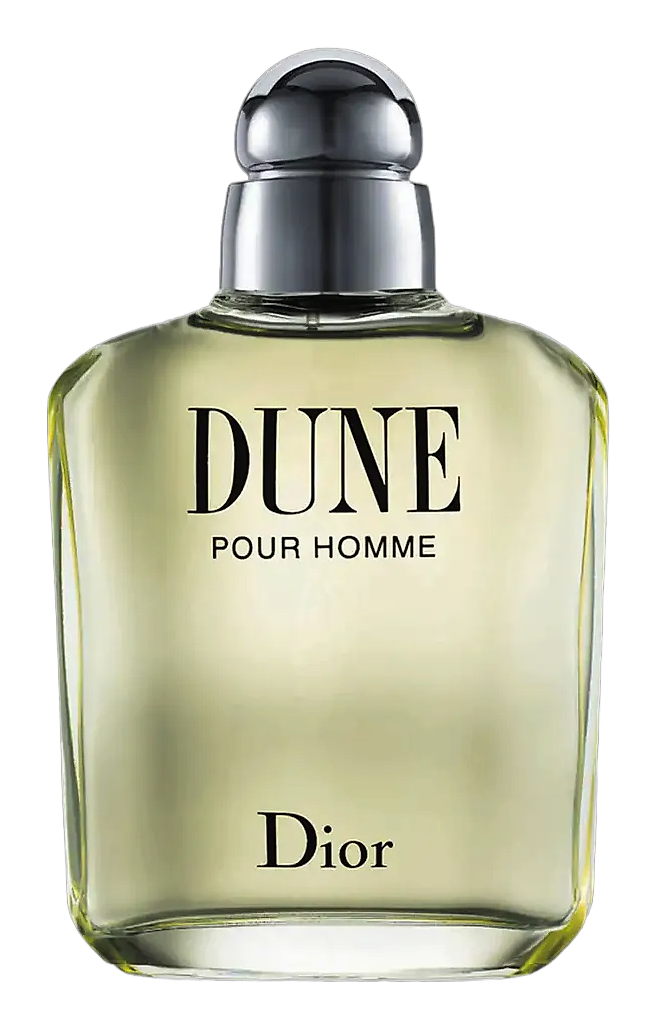

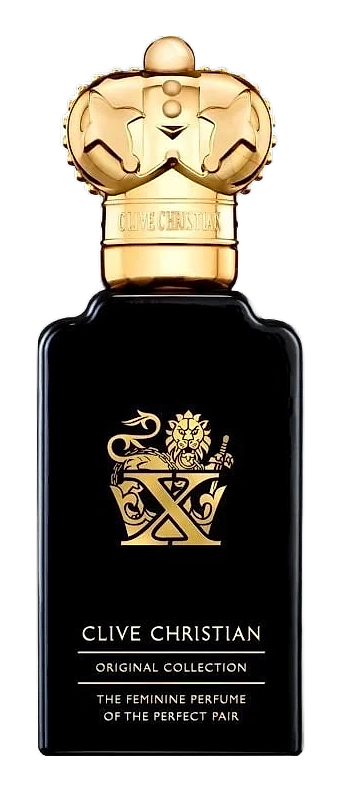
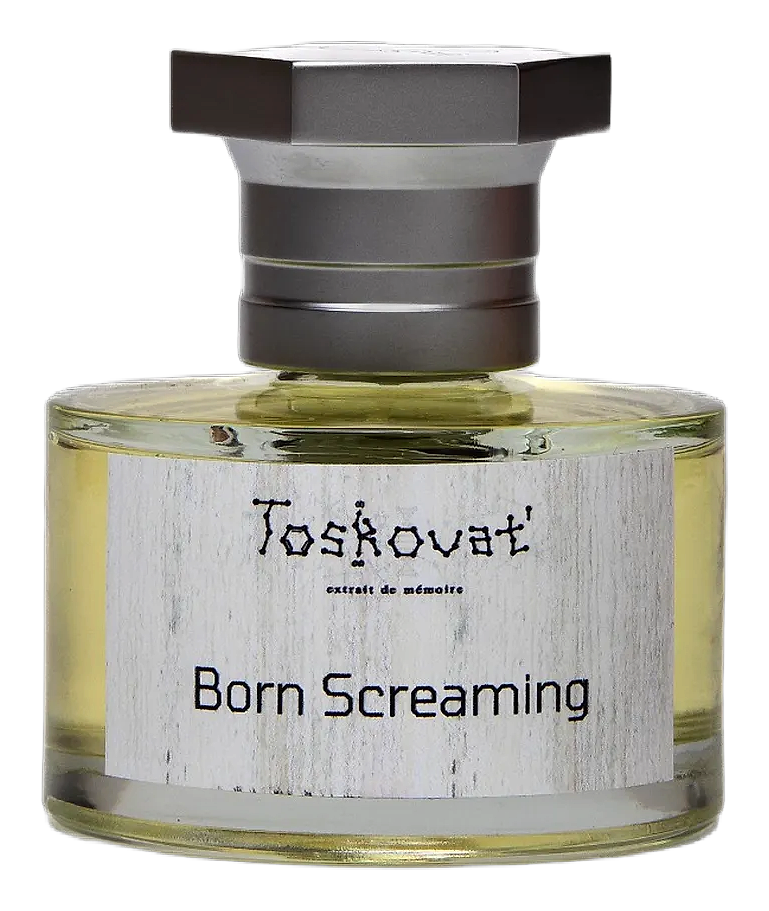
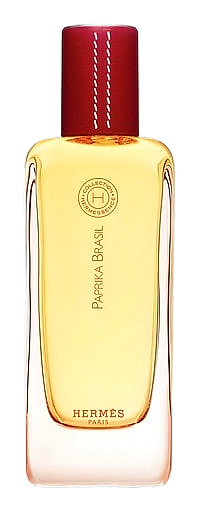
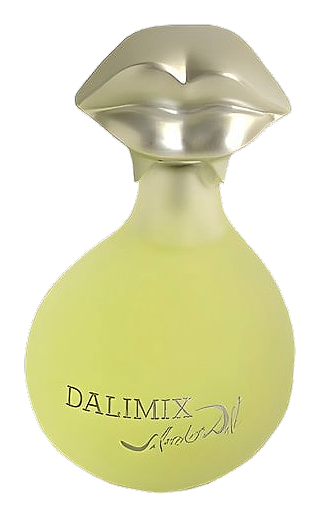
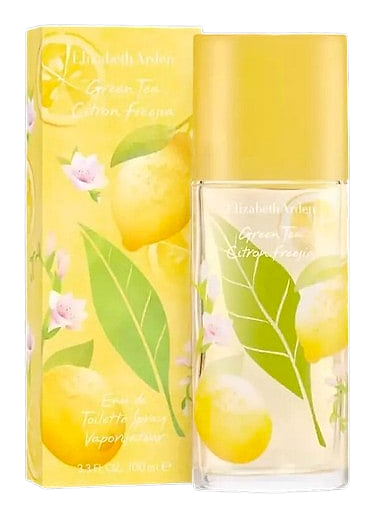
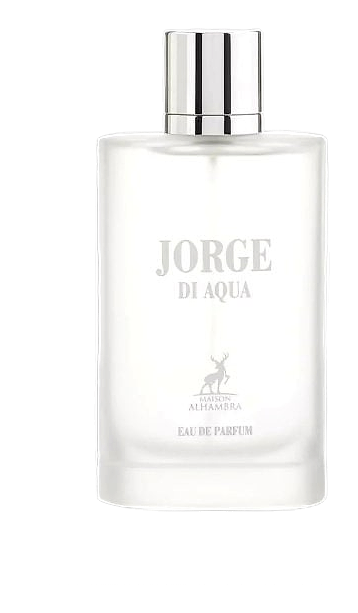
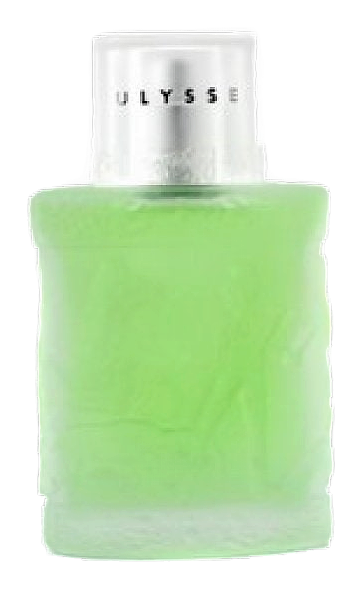
Brands
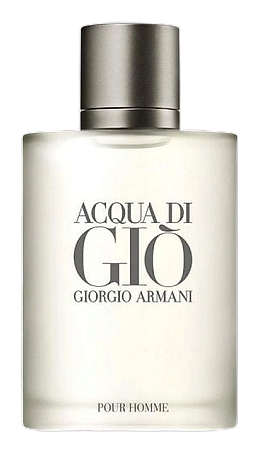
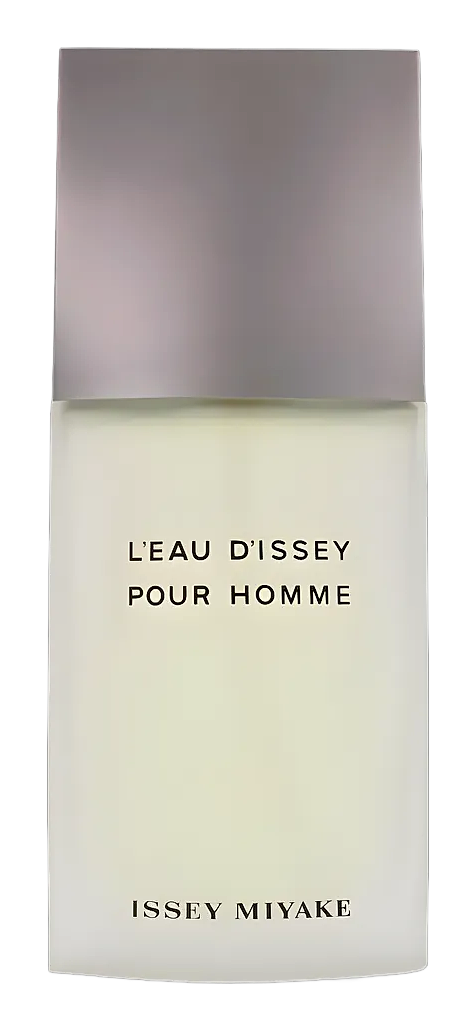
Brands known for Reseda
Good to know
Questions, answered
The essentials on Reseda in perfumery: how it smells, where it comes from, and how it behaves on skin.
What does reseda smell like?
Reseda smells green, slightly grassy, and delicately floral with a faintly bitter, honeyed undertone. It is often compared to a fresh-cut lawn crossed with a whisper of orange blossom, and lacks the sweetness of rose or jasmine.
Is reseda still used in perfumery today?
Natural reseda absolute is rarely produced today because of extremely low yields and high cost. Most modern fragrances labeled with reseda notes use synthetic aroma chemicals that approximate its green-floral character.
Why was reseda so popular in the 19th century?
Reseda was prized in Victorian and Second Empire gardens because its scent survived summer heat better than many other flowers. Napoleon reportedly ordered seeds sent to Josephine from every campaign, cementing its aristocratic reputation.
What is the difference between reseda and mignonette?
There is no difference. Mignonette is the common name for Reseda odorata, the fragrant species historically used in perfumery. Other Reseda species exist, but R. odorata is the one valued for its scent.
Why is reseda absolute so expensive?
Reseda flowers yield very little aromatic material through any extraction method. Hundreds of kilograms of fresh blooms are needed to produce even small quantities of absolute, which kept prices historically high.
Can reseda be steam distilled?
Reseda does not yield a meaningful essential oil through steam distillation because its fragrant molecules are too delicate and water-soluble. Solvent extraction or enfleurage are required to capture its true scent.
Where does reseda grow naturally?
Reseda odorata originates in Asia Minor and the eastern Mediterranean, with its wild ancestor Reseda minoica documented in Crete. It naturalized across European gardens after introduction in the early 1700s.
Is reseda related to the dye plant weld?
Yes. Reseda luteola, commonly called weld, belongs to the same genus and was historically a major source of yellow dye across Europe as early as the first millennium BC, distinct from the perfumery species R. odorata.



