The Story
Why it exists.
The beginning
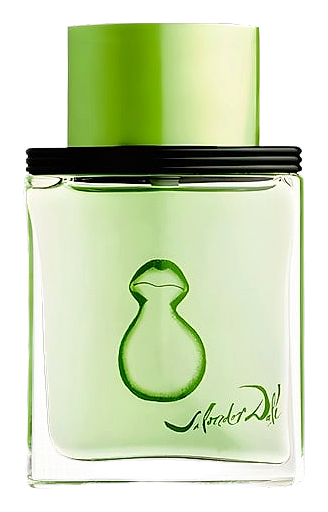
Raphaël Haury designed Agua Verde in 2005. The name translates to green water in Spanish. The fragrance opens with a bright citrus note from grapefruit that clears the air before the fig note emerges, bringing with it a creamy, slightly green character. The fig here is not the sweet coconut-type often found in fragrances, but rather something more nuanced, lactonic and subtly woody. As the top notes settle, a jasmine heart introduces a floral sweetness that blends with vetiver's earthy undertone. The combination creates a smooth, warm transition into the base, where sandalwood and amber provide a soft, lingering drydown. The overall effect is one of balance: fresh without being fleeting, warm without being heavy.
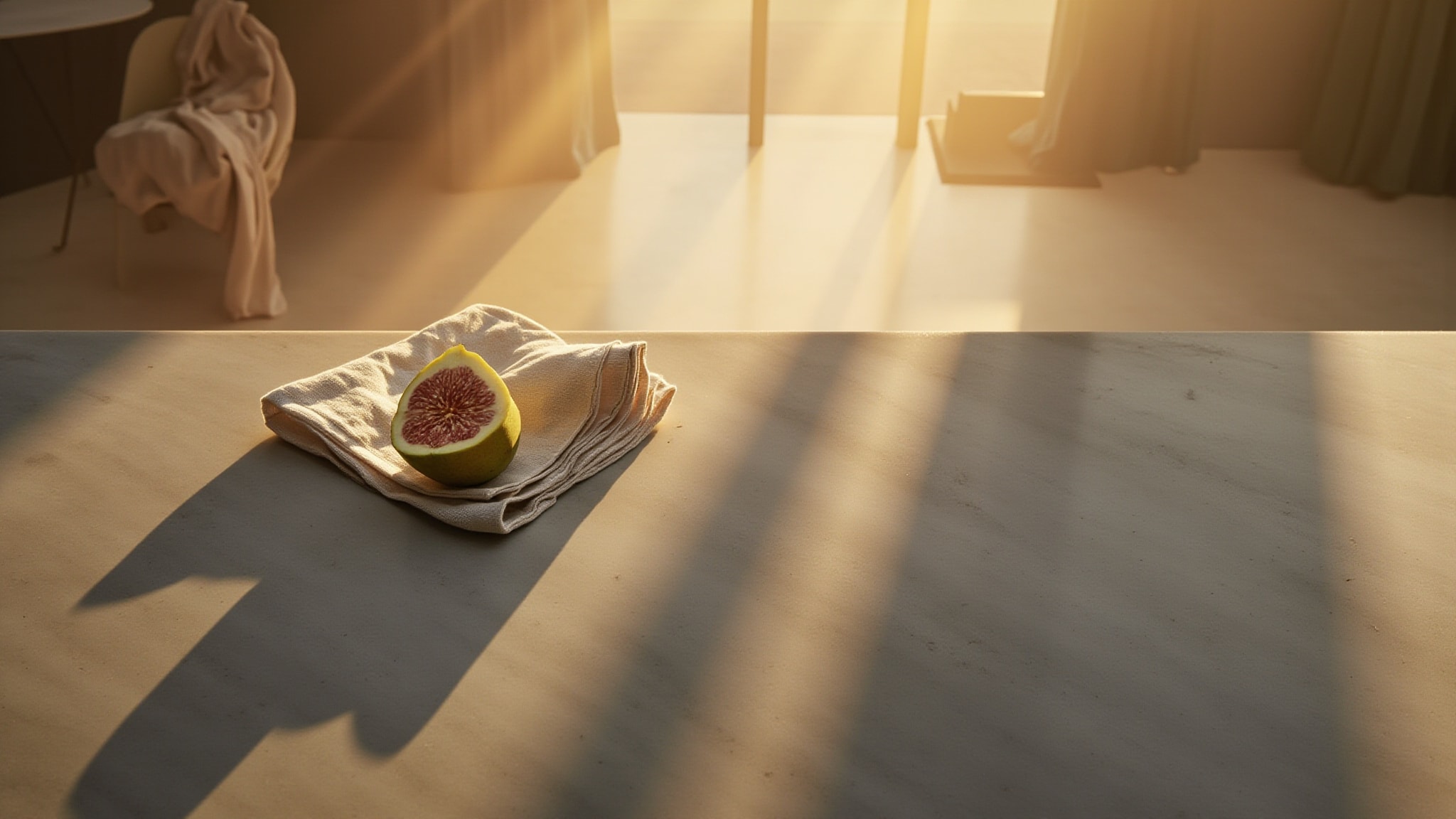
What makes Agua Verde work is how the fig carries the composition. Too often, fig notes lean too far toward coconut or too far toward green stems. Here, it sits in the middle, milky but not sweet, woody but not heavy. Grapefruit keeps the opening honest, stopping the fig from becoming precious. The heart introduces jasmine and vetiver together, and this pairing creates an unexpected harmony. Jasmine brings a rich, heady floral quality while vetiver adds a rooty, slightly smoky earthiness, and together they produce a warmth that feels layered rather than flat.
The evolution
The opening hits quickly. Grapefruit and fig are both present almost immediately, not alternating, not competing, just arriving together. The grapefruit fades first, as it tends to do, but the fig lingers beneath the surface while jasmine and vetiver take over the main stage. The fig remains present even as the floral and earthy notes rise, providing continuity so the transition feels seamless rather than segmented. The nutmeg appears as a warmth more than a spice, a suggestion rather than a statement, helping to ease the passage from the bright opening into the richer heart. By the second hour, sandalwood and amber have established themselves fully, the sandalwood lending its creamy, woody character while the amber adds a soft, enveloping quality. The drydown stays close to the skin, intimate and warm rather than projecting aggressively across a room.
Cultural impact
Agua Verde debuted in 2005 as a composition centered on fig and sandalwood. The fragrance balances fresh and warm elements without choosing between them, creating a duality that gives it staying power. The fig note carries the composition, bringing a lactonic, slightly green quality that prevents the warm side from becoming heavy, while the sandalwood base anchors the fresh elements and keeps the overall effect grounded. The result is a fragrance with personality and depth, one that rewards attention rather than disappearing into the background.