Currant leaf
Currant leaf delivers an intensely green, vegetal freshness to perfumery—a crisp, dewy scent that captures the moment before summer rain sweeps across hedgerows. This nuanced material anchors fruity compositions with natural depth and botanical authenticity.
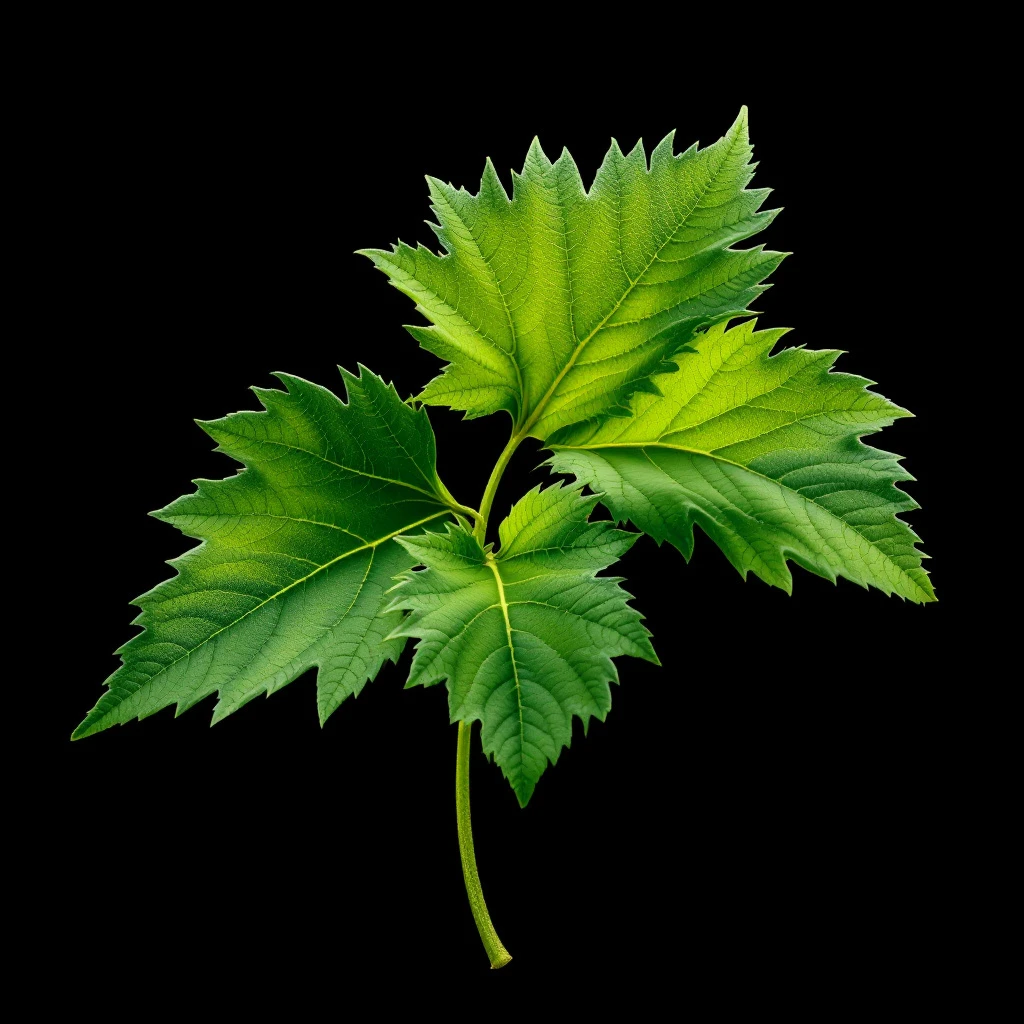
Character
How it smells
Green, dewy, and bracingly fresh.
The leaf absolute is so concentrated that perfumers measure it in grams rather than kilograms—quantities that would overwhelm a formula in larger amounts.






Origin
France
While blackcurrant fruit and buds have ancient roots, currant leaf as a perfumery material emerged only in the 1960s and 1970s, when extraction techniques advanced to capture its delicate green qualities. Before this breakthrough, perfumers lacked natural alternatives to synthetic green notes.
Today, currant leaf defines the green heart of modern chypres and fruity-floral fragrances. France, particularly Burgundy, produces the most prized currant leaf absolute, though quality material also comes from Eastern Europe and the United Kingdom, where blackcurrant cultivation has deep agricultural traditions.
Wears it best
Fragrances featuring Currant leaf
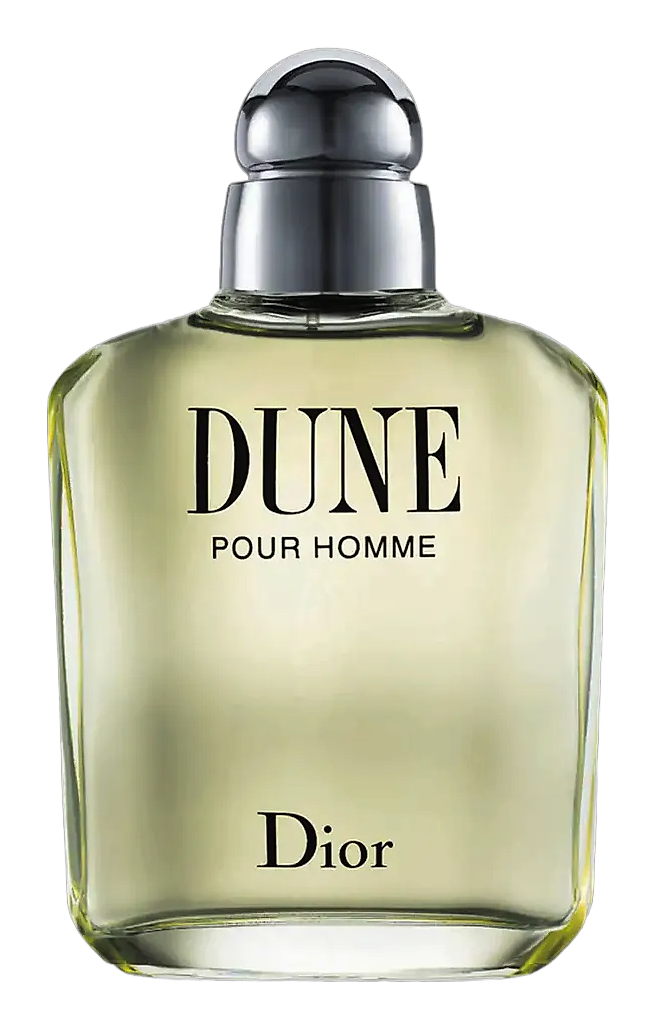
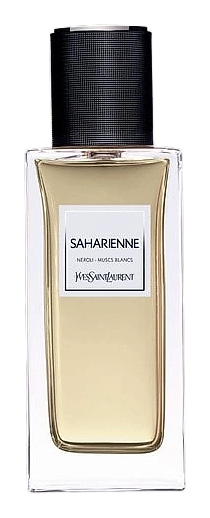
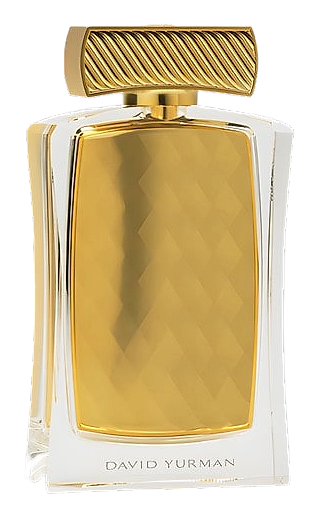
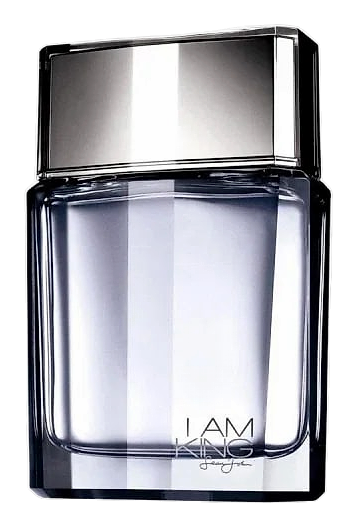
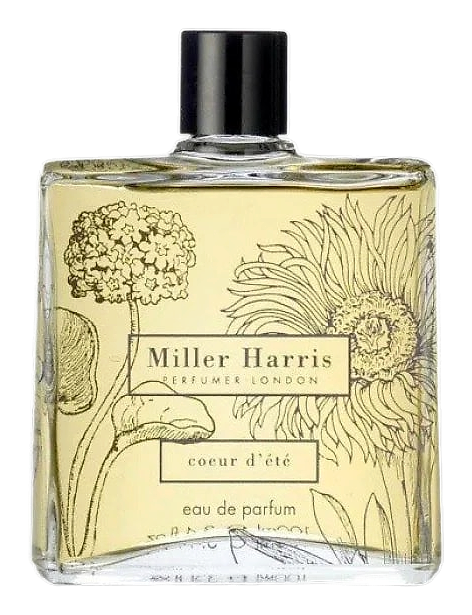
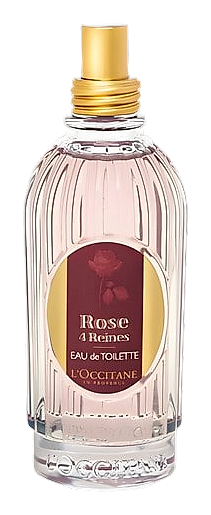
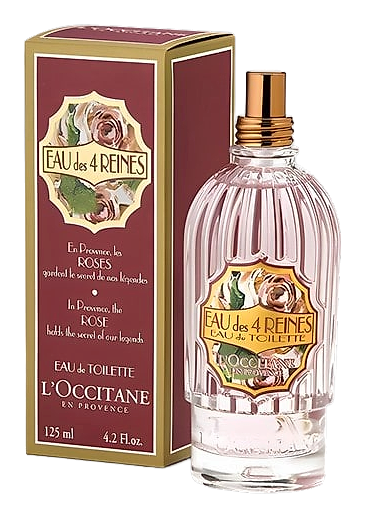
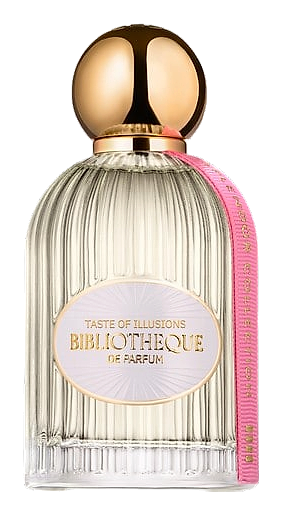
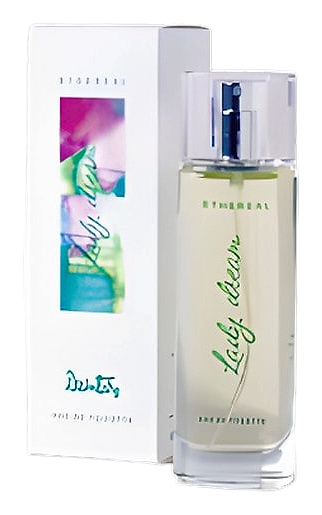
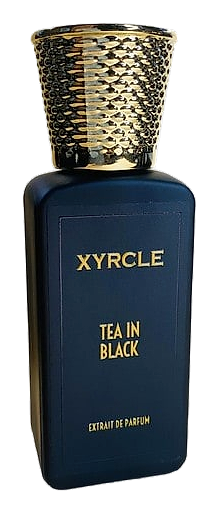
Brands
Brands known for Currant leaf
Good to know
Questions, answered
The essentials on Currant leaf in perfumery: how it smells, where it comes from, and how it behaves on skin.
What does currant leaf smell like?
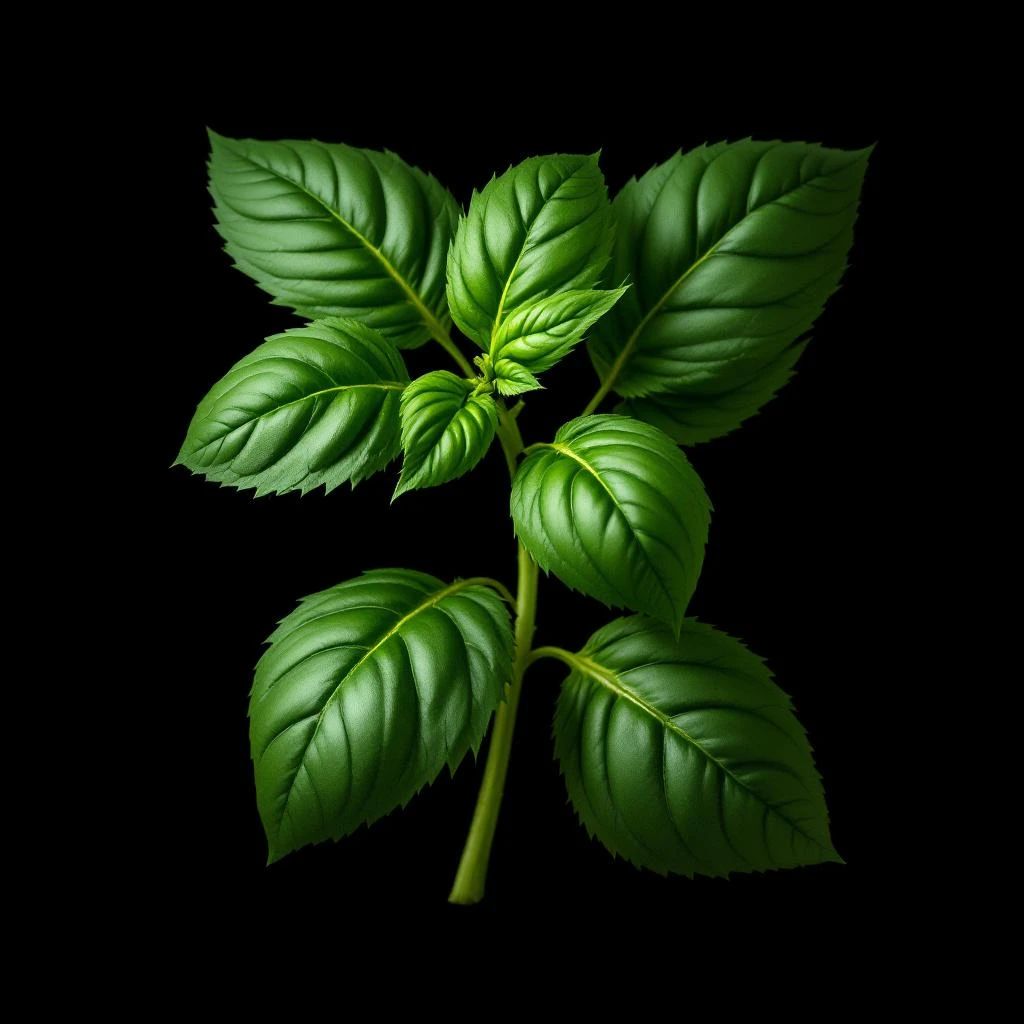
Currant leaf registers as bright, cut-grass green with dewy, slightly vegetal undertones. It recalls the scent of crushed leaves after rainfall, bringing immediate freshness and natural vitality to fragrance compositions.
How is currant leaf absolute produced?
Harvesters collect young Ribes nigrum leaves in early summer. Solvent extraction yields a viscous, highly concentrated absolute. A single kilogram requires processing hundreds of kilograms of fresh material.
When did currant leaf become a perfumery material?
Currant leaf emerged as a distinct perfumery ingredient during the 1960s and 1970s. Earlier perfumers lacked effective extraction methods to capture its delicate green character from the leaves.
What fragrances feature currant leaf?
Currant leaf appears in modern green chypres and fruity-floral compositions as a heart-note connector. It provides natural freshness that bridges citrus top notes with deeper base materials.
Is currant leaf natural or synthetic?
Natural currant leaf absolute exists but remains rare due to extraction challenges and low yield. Many fragrances use nature-identical compounds that approximate its green, dewy character.
What notes pair well with currant leaf?
Currant leaf harmonizes with blackcurrant bud, galbanum, bergamot, rose, and woodsy bases like cedar. It amplifies the green dimension of fruity compositions without overwhelming them.
Where does quality currant leaf come from?
France, particularly Burgundy, produces premium currant leaf absolute. Eastern Europe and the United Kingdom also cultivate Ribes nigrum with favorable climates for quality leaf production.
Does currant leaf last long on skin?
Currant leaf functions as a heart to top note, typically remaining perceptible for two to four hours. Its volatility means it announces a fragrance before mellowing into supporting roles.