The Story
Why it exists.
The beginning
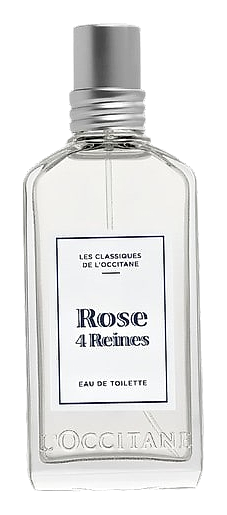
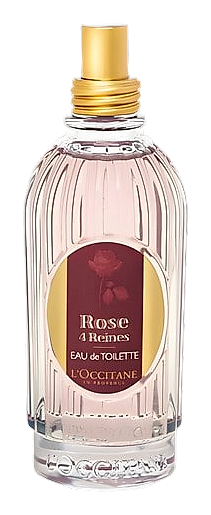
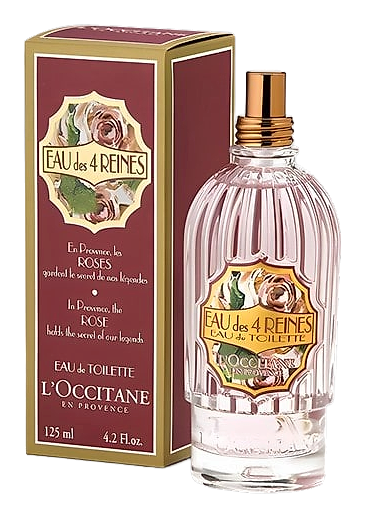
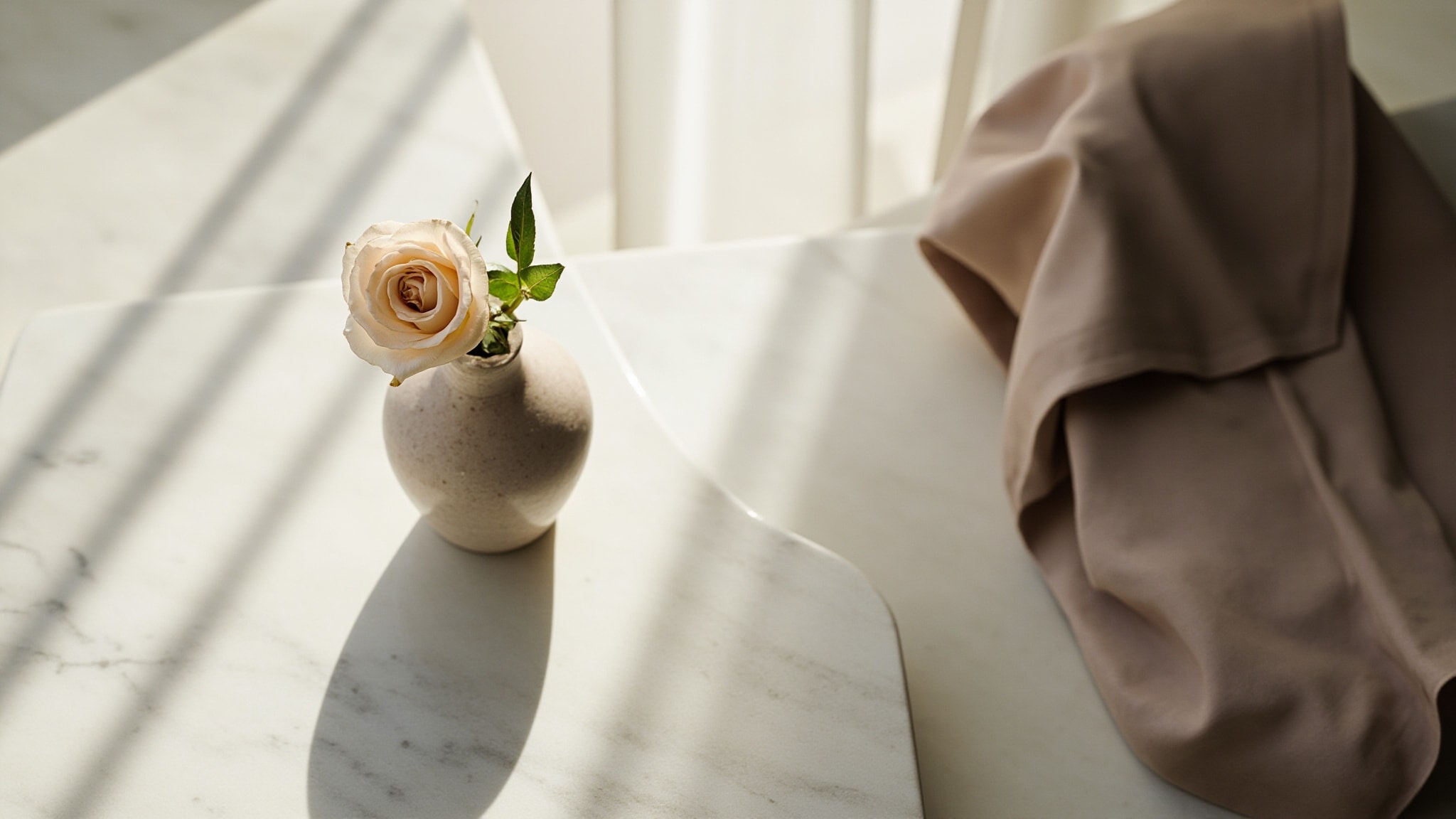
The name carries weight: four queens of France, including Marie Antoinette, whose passion for roses at the Petit Trianon became legend. L'Occitane's 1990 interpretation takes that regal lineage and asks what it would smell like translated into Provençal earth rather than courtly perfume. Karine Dubreuil-Sereni built the composition around a single rose note, Bulgarian, already considered the gold standard in fine fragrance, then layered it with green and citrus in the opening and powdery warmth in the base. The result reads less like homage and more like translation: the memory of royal gardens filtered through the hills of Provence.
Bulgarian rose is grown for its high concentration of phenyl ethyl alcohol, the compound responsible for that classic rosy scent. At 1990's launch, pairing it with blackcurrant leaf and violet leaf was a calculated move, these green notes add a botanical sharpness that keeps the rose from feeling heavy or nostalgic. The heliotrope in the base brings an almond-floral sweetness that reads as powder without leaning into the soapy territory that defeated so many florals of that decade. Sandalwood anchors everything with a creamy woodiness that extends the drydown.
The evolution
The opening arrives crisp and green, violet leaf first, then the bright citrus of bergamot. Within minutes the rose pushes through, but it doesn't dominate. It shares space with the remaining green notes for a good half hour before the Bulgarian rose finally takes full command. The base is where Eau des 4 Reines earns its reputation for intimacy: heliotrope and musk settle close to the skin, sandalwood adding a warmth that lingers. Moderate sillage means it doesn't announce itself across a room, but those close enough to encounter it will remember it. On fabric, the drydown can persist into the next day.
Cultural impact
Eau des 4 Reines entered a market crowded with bold florals, the late 1980s and early 1990s were defined by opulent, room-filling compositions. Its quieter register represented a different kind of confidence. The fragrance found its audience among those who valued botanical nuance over olfactory impact, positioning itself as an alternative rather than a competitor. Its longevity and moderate sillage mean it never dominated a room, but the wearers who found it tended to keep finding it.