The Story
Why it exists.
The beginning
Acqua Brasilis arrived in 1998, and with it, a quiet declaration. Calice Becker created this for the man who wears his origins like light, not as apology or ornament, but as fact. The name says Brazil, and Brazil is what you get: not a vague tropical impression, but a specific scent memory of coastline, of afternoon heat broken by shade, of green things growing close to water. The brief was simple: make something that smells like the place, not like the idea of the place.
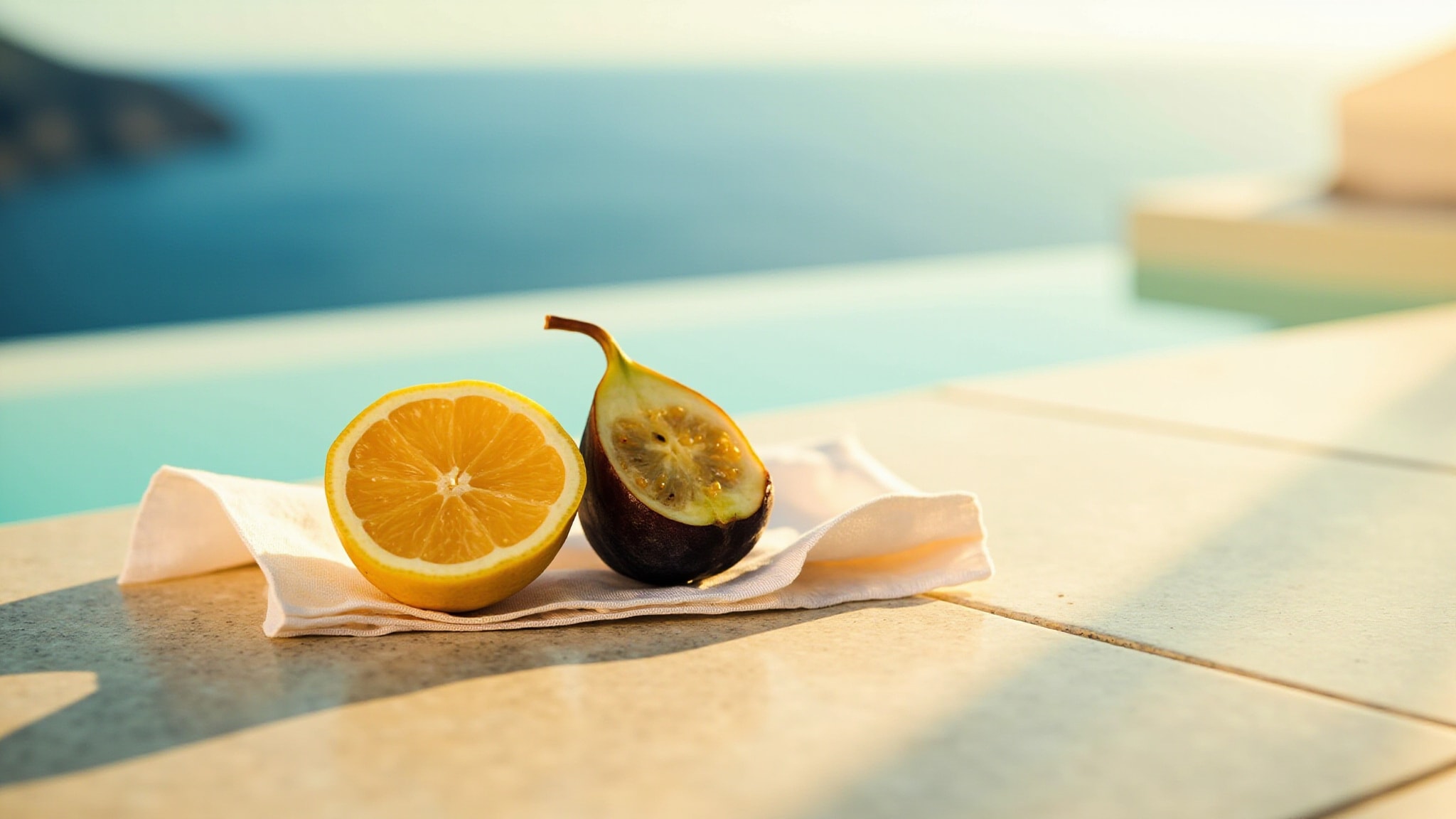
What makes Acqua Brasilis work is the fig. Not the coconut-cream fig of some niche compositions, but a quieter, greener fig that bridges the bright citrus opening and the warm base without calling attention to itself. It's doing structural work while pretending to be decorative. The Brazilian identity also shows in the basil, not the dried Mediterranean kind, but something with more lift, more life. Combined with the citrus quartet, it creates an opening that is simultaneously fresh and slightly unexpected. The base of sandalwood, amber, and tonka bean keeps everything grounded long after the citrus fades, making this feel less like a daytime scent and more like a companion for an entire afternoon.
The evolution
The opening announces itself immediately, citrus and basil in concert, a one-two punch of sharp and aromatic. This phase lasts roughly twenty minutes before the citrus begins its quiet retreat. The fig enters next, not dramatically, but with the confidence of something that knows it doesn't need to shout. Hyacinth adds a green crispness that keeps the heart from becoming too soft. By the third hour, sandalwood and amber have taken over, with tonka bean whispering through at the edges. Six to eight hours of warmth, depending on skin, intimate by the end. On fabric, the citrus holds for a day at low intensity. Next morning on skin, powdery, quiet, barely there unless someone leans in.
Cultural impact
Acqua Brasilis represents a particular moment in Brazilian fragrance culture: when domestic houses began making arguments for tropical botanicals as perfumery material, not as novelty. The fig note, so common in Brazil, so rare in masculine Western compositions of the late 1990s, anchors the fragrance's cultural argument. This one had staying power with consumers. The early 2000s discontinuation only sharpened its cult appeal.