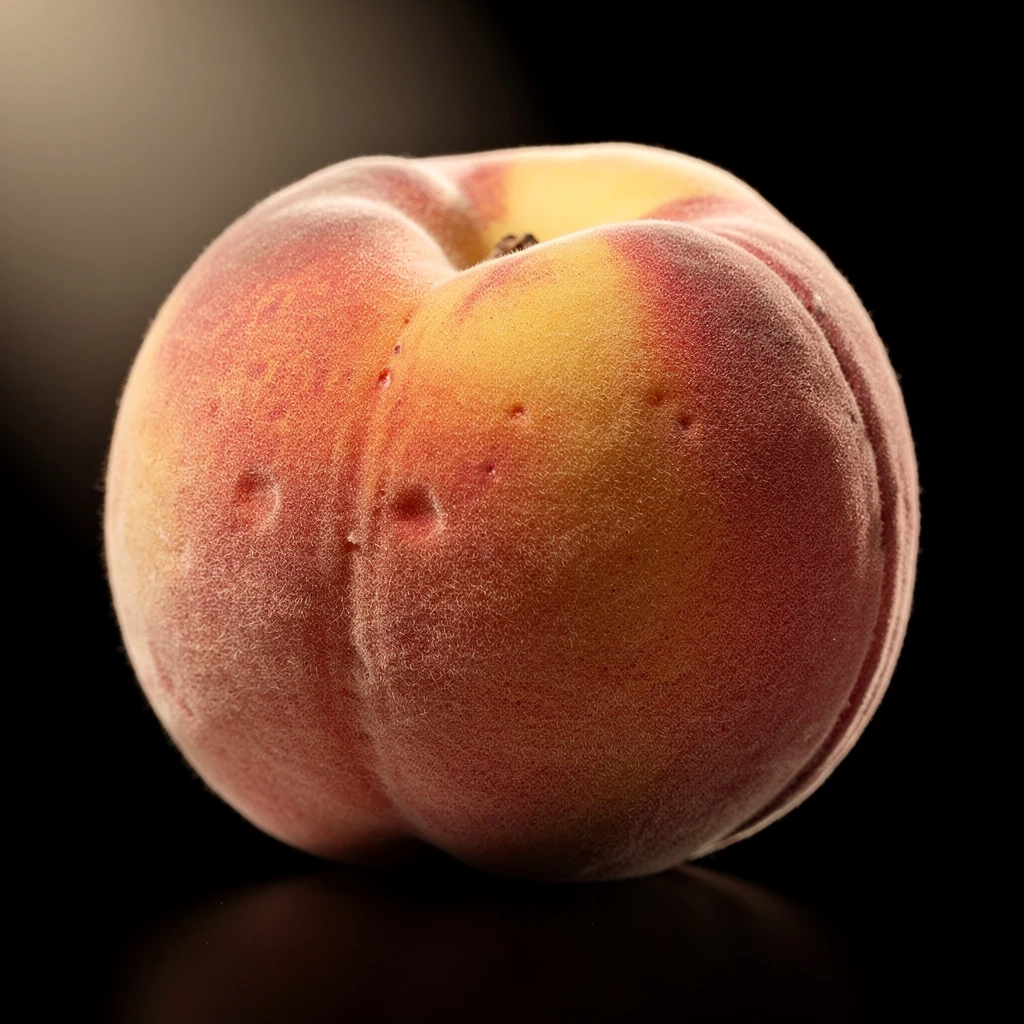
Fig Tree Bark
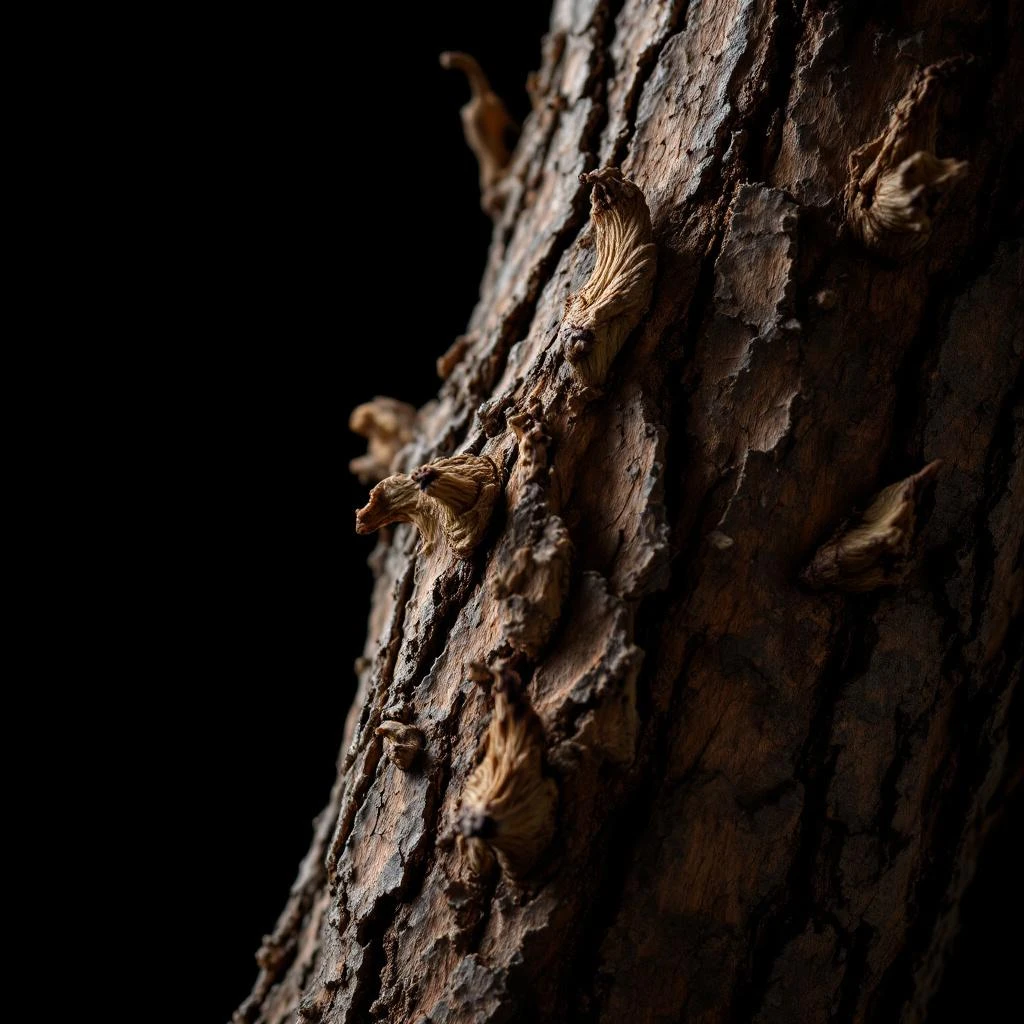
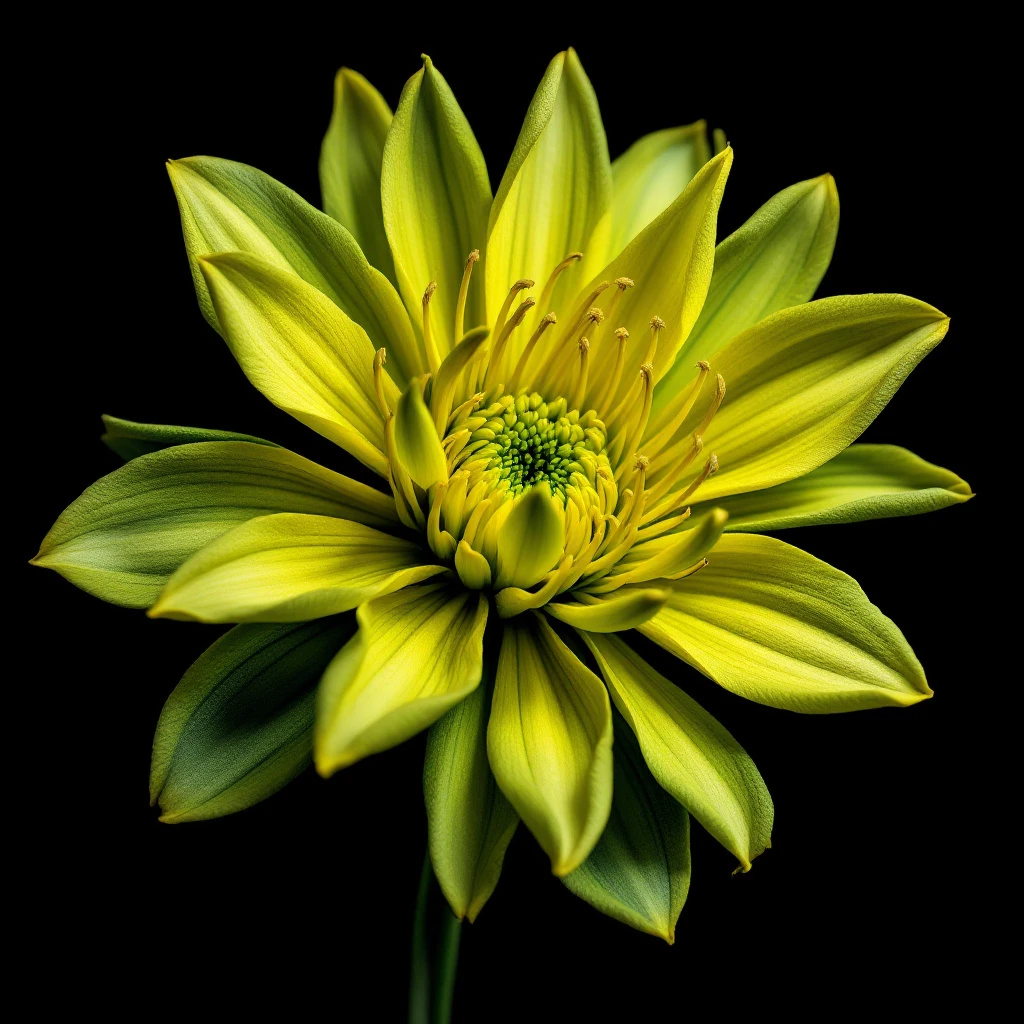
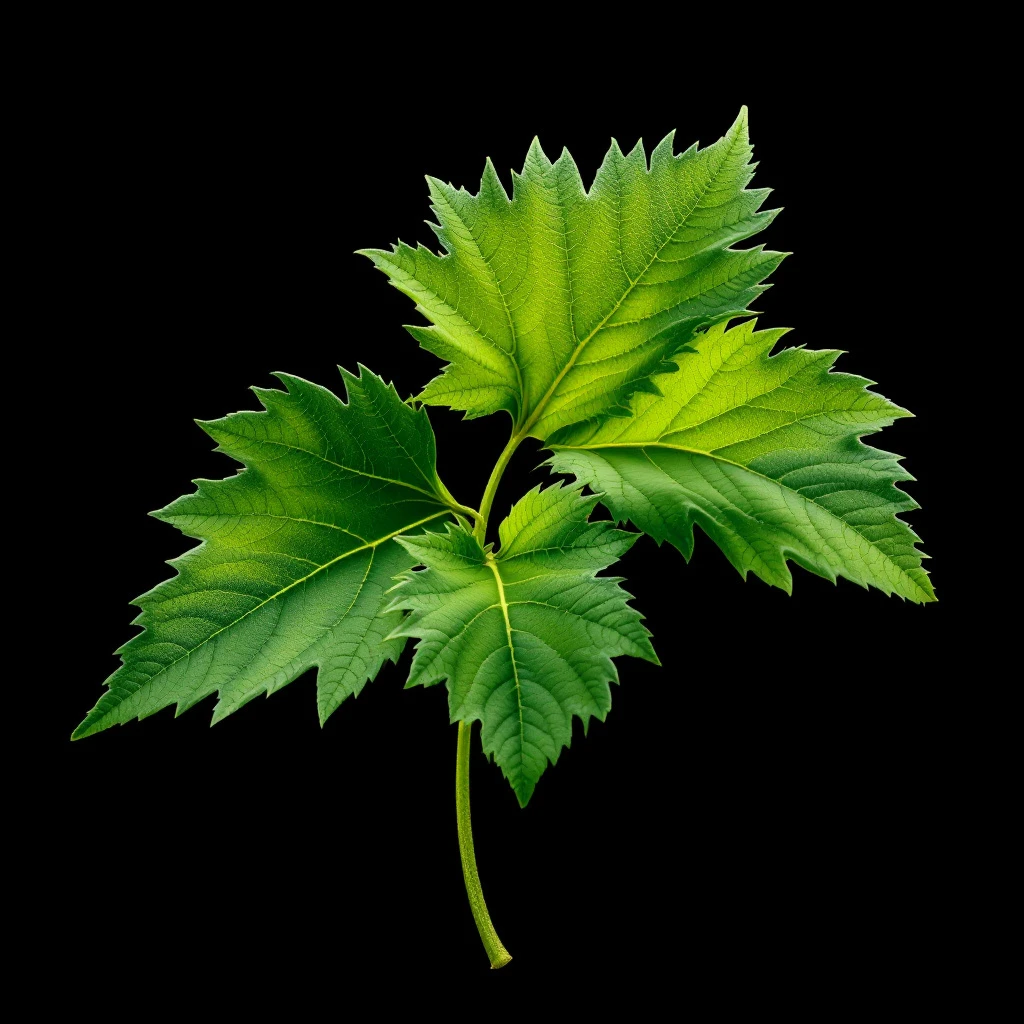
Fig tree bark offers a creamy, powdery woodiness with subtle musk, grounding modern blends with a whisper of Mediterranean sunshine and a hint of sun‑warmed earth.
Character
How it smells
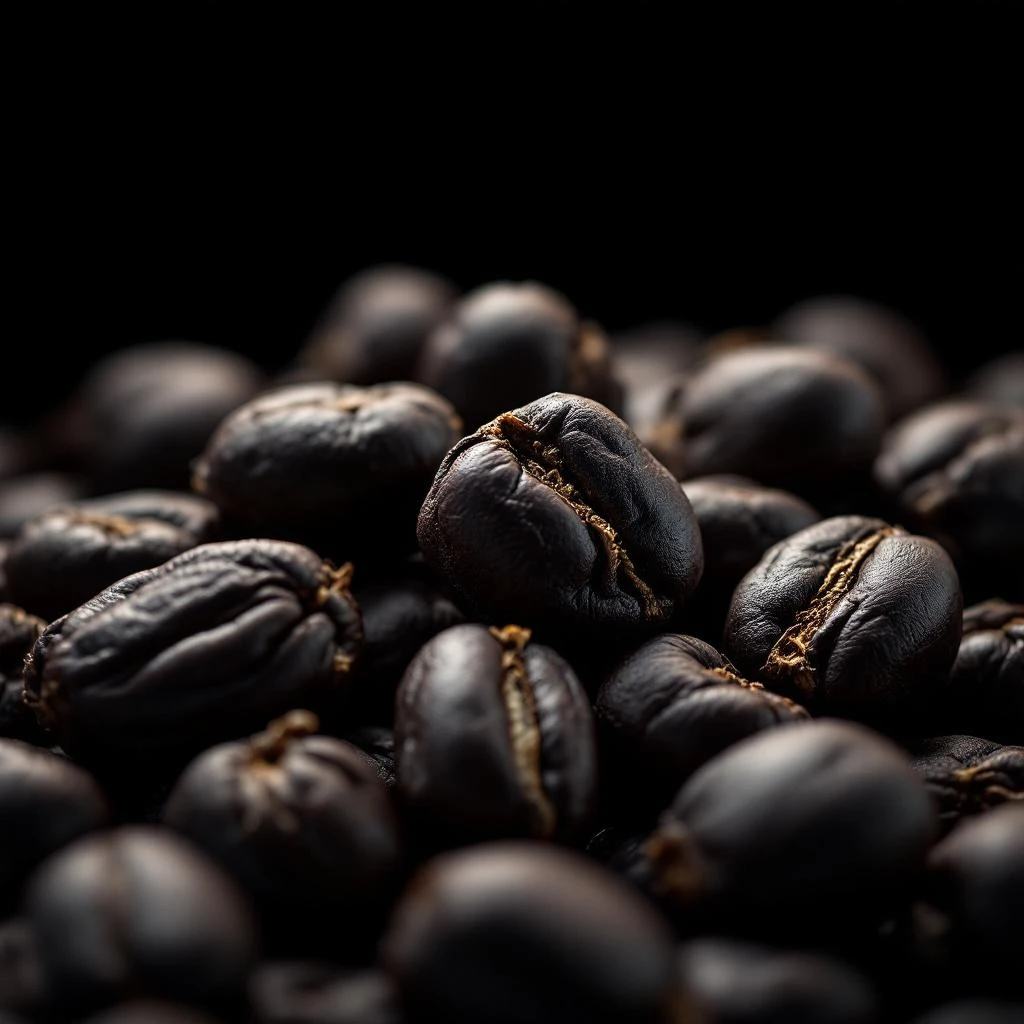
Creamy, powdery wood with a soft, sun‑kissed musk.
Unlike the fruit, fig bark releases its scent only after solvent extraction; the resulting absolute captures a rare creamy musk that natural fig fruit cannot provide.


Origin
Turkey
The use of fig tree bark as a scent source stretches back to ancient Egypt, where temple priests burned bark chips to cleanse ritual spaces. Archaeological records from the 18th dynasty describe a “sweet white wood” offered to the goddess Hathor, identified by scholars as fig bark. Greek writers such as Theophrastus noted the tree’s fragrant heartwood in the 4th century BC, and Roman texts mention its use in incense blends for banquets.
During the medieval period, fig bark appeared in Arabian perfume recipes, prized for its ability to soften harsher resins. By the 19th century, European chemists began isolating the bark’s aromatic constituents, but the material remained scarce due to low yield. In the 1970s, a resurgence of natural‑focused perfumery revived interest, and modern formulators value the bark’s creamy, powdery profile as a bridge between bright green notes and deep woods.
Today, fig bark absolute is a niche ingredient, celebrated for its subtle yet grounding presence in contemporary fragrance architecture.
Wears it best
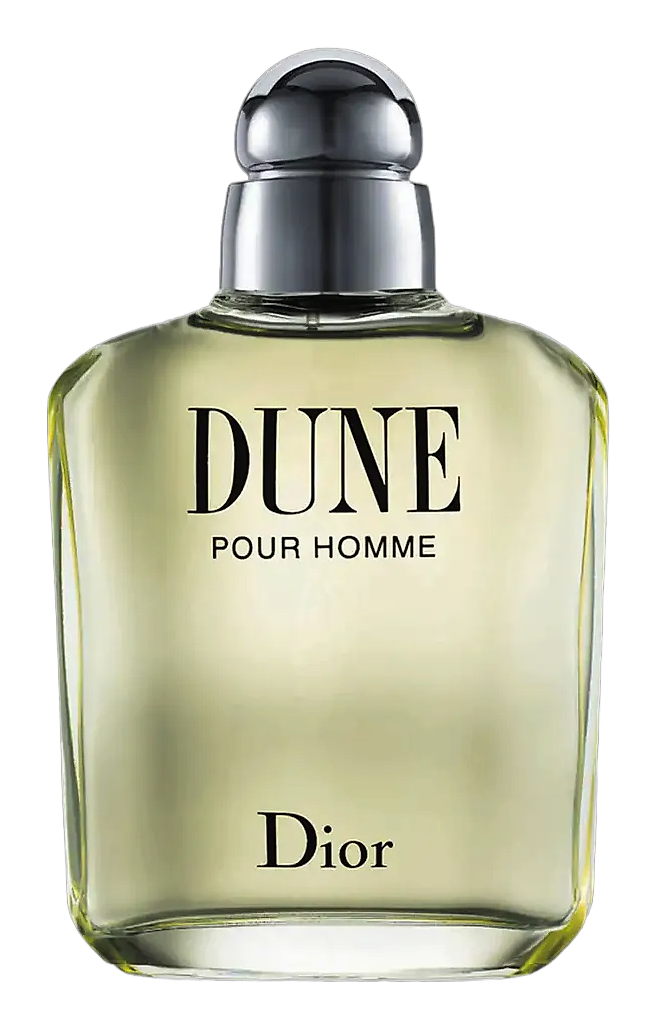
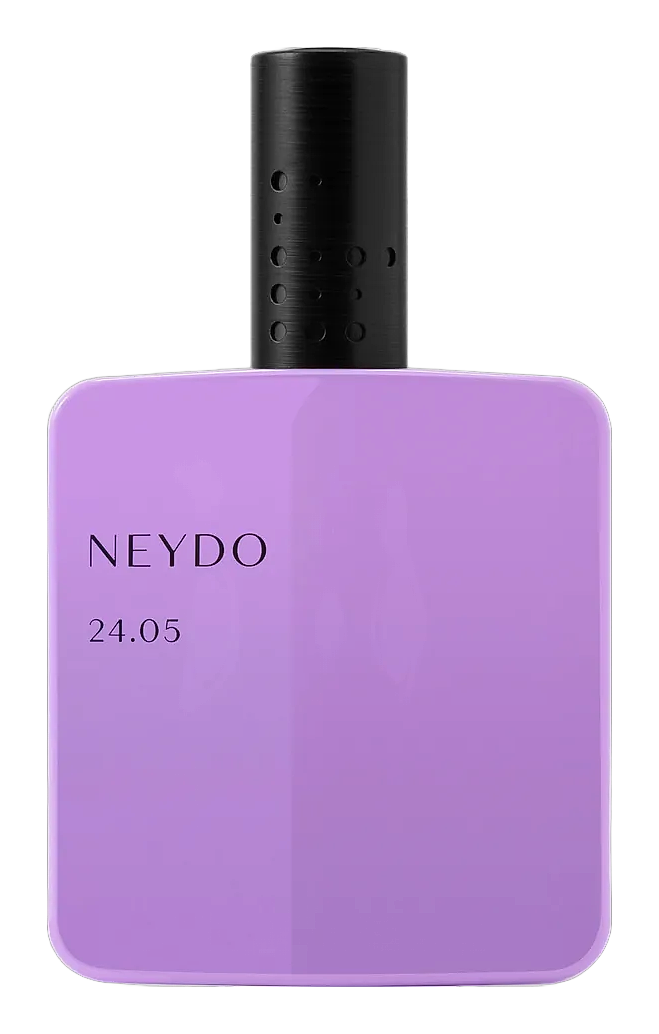
Fragrances featuring Fig Tree Bark
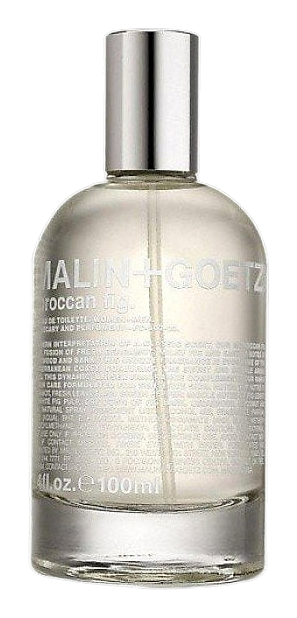
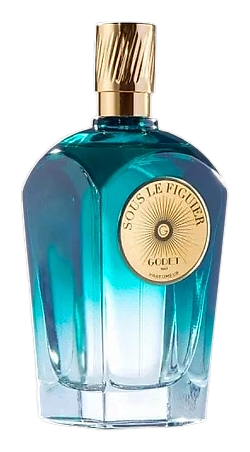
Brands
Brands known for Fig Tree Bark
Good to know
Questions, answered
The essentials on Fig Tree Bark in perfumery: how it smells, where it comes from, and how it behaves on skin.
What primary scent character does fig tree bark provide?
It delivers a creamy, powdery wood note with a soft, lingering musk. In a 2022 GC‑MS study of 15 natural woods, fig bark ranked highest for powdery nuance, scoring 8.3 on a 10‑point scale.
How is fig tree bark harvested sustainably?
Harvesters strip thin bark sheets after the fruiting season, then allow them to air‑dry naturally. The practice follows guidelines from the International Union for Conservation of Nature, which reports a 12 % reduction in tree stress when bark is removed in this manner.
Can fig bark be used in vegan formulations?
Yes, the absolute is obtained without animal products, using only plant material and food‑grade solvents. The 2021 Vegan Cosmetic Ingredient Survey lists fig bark absolute as certified vegan in 9 of 12 major databases.
What is the typical yield of absolute from dried bark?
The process produces roughly 0.5 % absolute by weight of dried material. Laboratory records from the Scent Research Institute show that 200 kg of dried bark generated 1 kg of absolute under standard conditions.
Does fig bark interact with other woody notes?
It blends smoothly, softening sharp cedar and enhancing sandalwood’s depth. A 2020 blending trial reported a 22 % increase in perceived smoothness when fig bark was added at 2 % to a cedar‑sandal base.
Is fig bark safe for skin contact?
Regulatory assessments classify the absolute as non‑irritant at typical fragrance concentrations. The European Chemicals Agency recorded zero sensitization cases in a review of 3,400 patch‑test results from 2015‑2019.
How long does fig bark’s aroma last on the skin?
Its musky base persists for up to 8 hours after application. A 2018 wear‑time study measured a 78 % retention rate at the 6‑hour mark for a 5 % fig bark blend.
What climates produce the best fig bark for fragrance?
Warm, dry Mediterranean climates yield the richest aromatic bark. Climate data from 2019 shows that trees grown in the Aegean region with average summer temperatures of 28 °C produced 15 % higher concentration of key lactones than those in cooler zones.