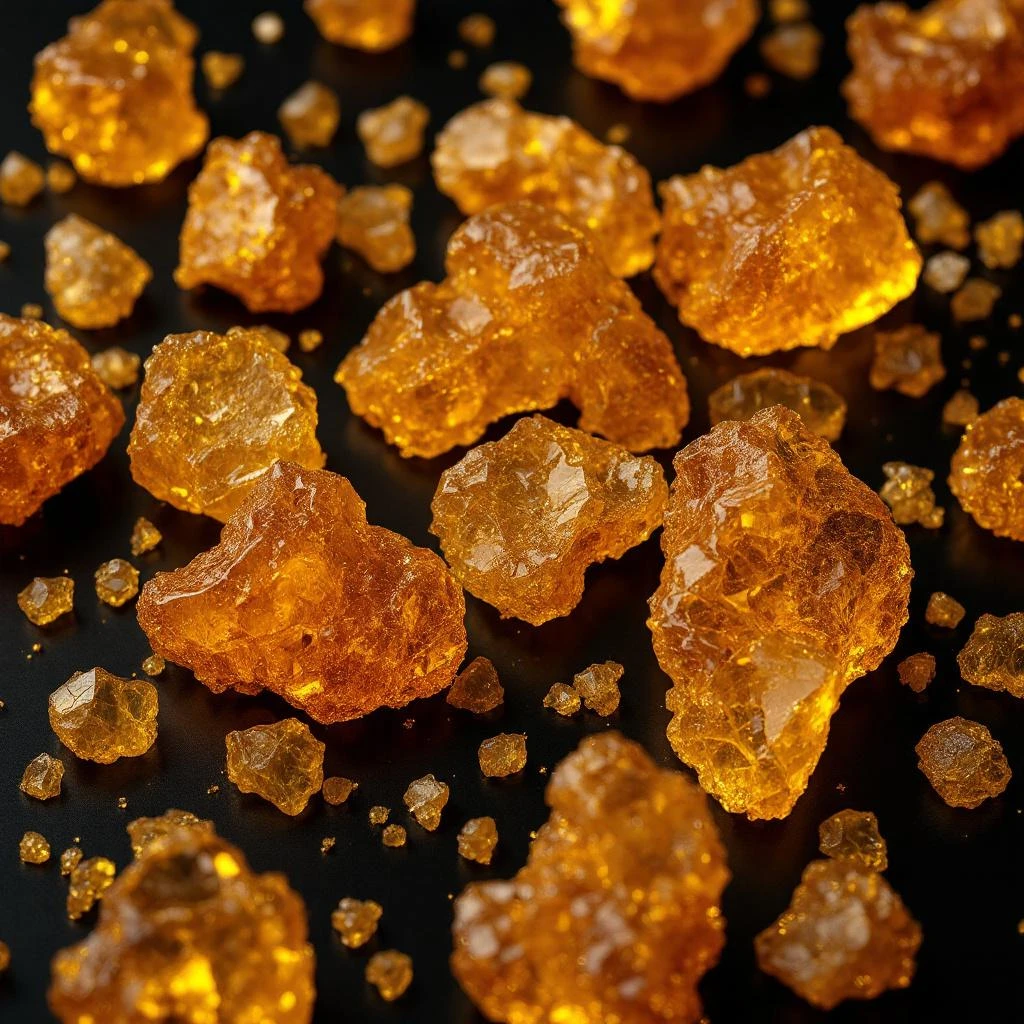
Dragon's Blood
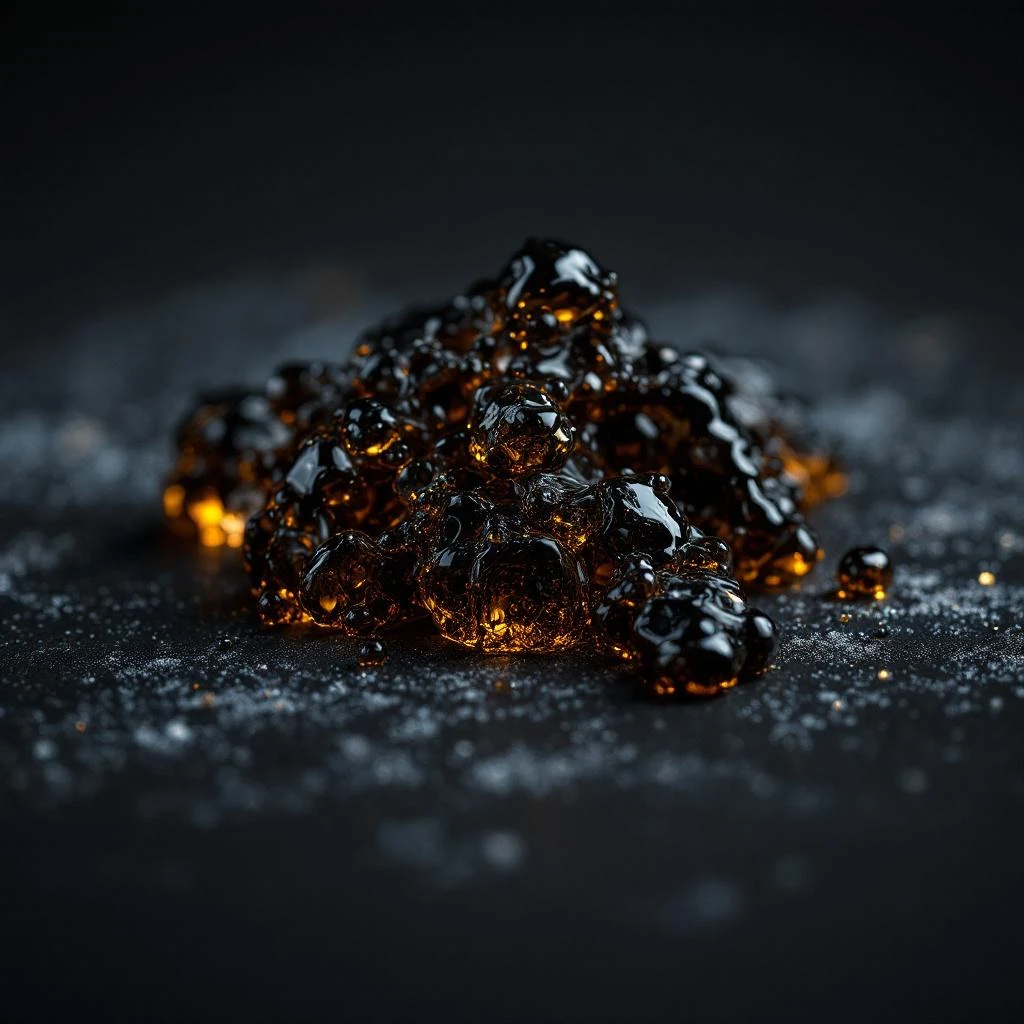
A crimson resin with ancient mystique, Dragon's Blood delivers warm, smoky sweetness to fragrance compositions. Harvested from Dracaena and rattan palms, this potent fixative has perfumed and protected across civilizations for millennia.
Character
How it smells
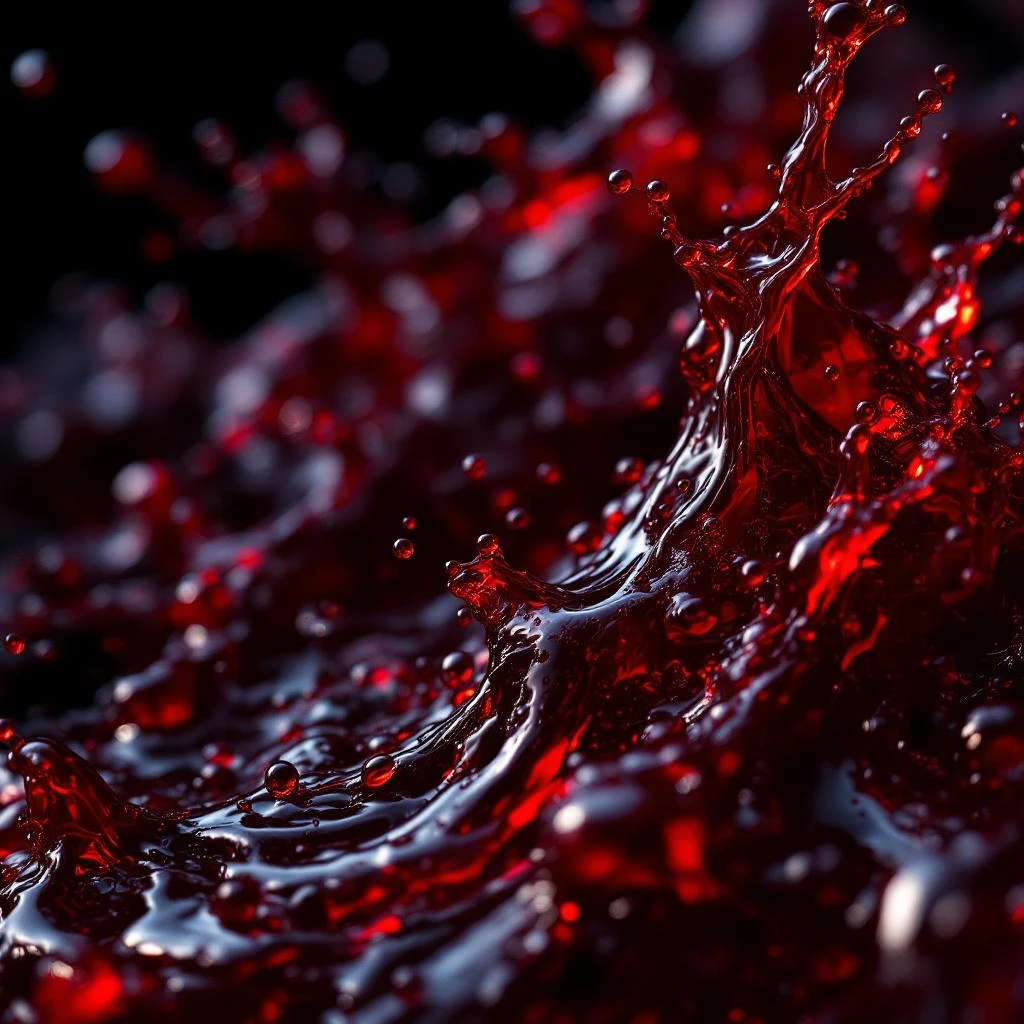
Ancient crimson resin. Warm, smoky, fixative powerhouse.
The name comes from an ancient belief that the red resin was mingled blood from dragon battles, not from any dragon species.






Origin
Yemen (Socotra)
Dragon's Blood entered European awareness through the Incense Road trade networks around the 1st century CE, though Asian and Middle Eastern cultures had used it for centuries before. Ancient Greeks and Romans prized it as medicine for wound healing and digestive complaints. Medieval European physicians prescribed it for respiratory conditions and to staunch bleeding.
In China, it documented in texts from the Tang dynasty as a treatment for various ailments. The 18th-century naturalist Carl Linnaeus even assigned it a place in his taxonomic system. Throughout history, the resin's striking red color and mysterious origin fueled legends about its dragon-derived nature.
Indigenous peoples of regions where source plants grow used it extensively for ritual purification and spiritual protection. Alchemists of various traditions considered it a substance of power. Today, sustainable harvesting practices ensure continued availability of this historically rich ingredient while protecting the slow-growing source plants from overharvesting.
Wears it best
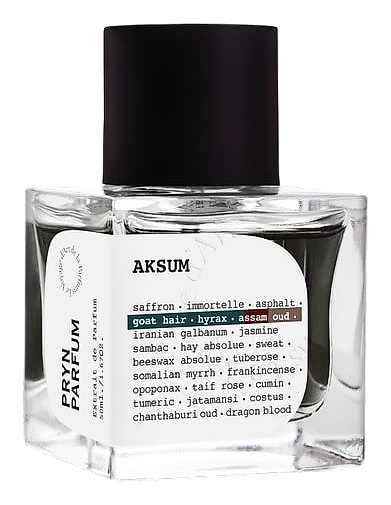
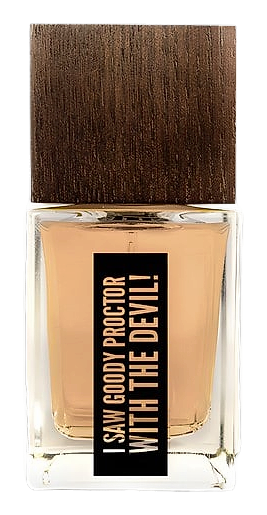
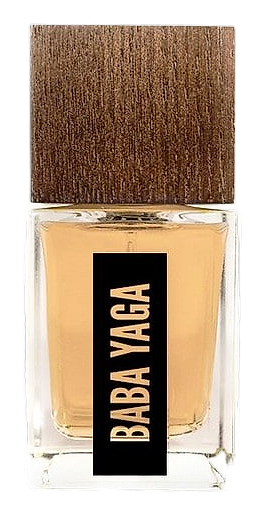
Fragrances featuring Dragon's Blood
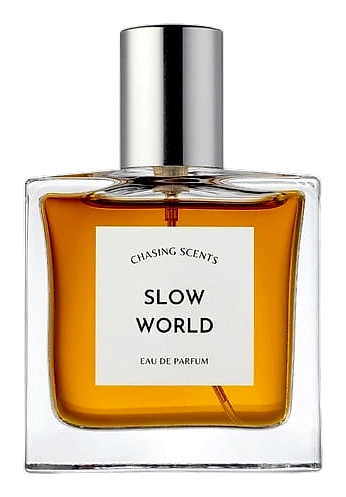
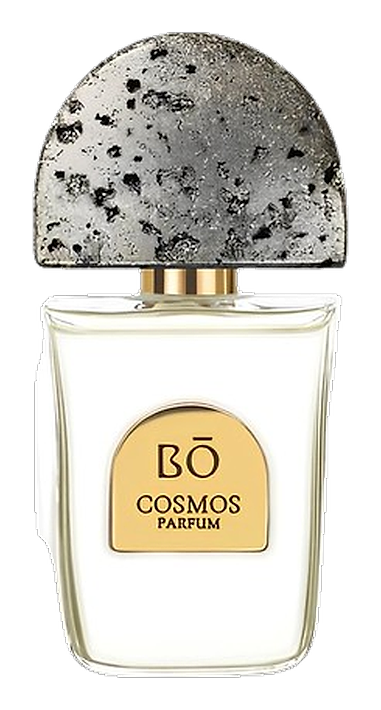
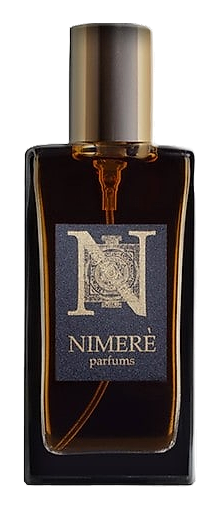

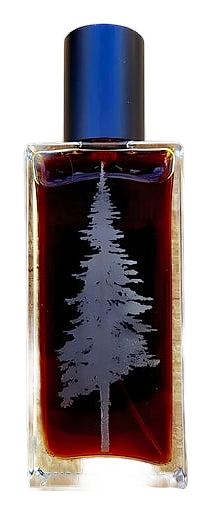



Brands
Brands known for Dragon's Blood
Good to know
Questions, answered
The essentials on Dragon's Blood in perfumery: how it smells, where it comes from, and how it behaves on skin.
What does Dragon's Blood smell like?
Dragon's Blood has a warm, resinous scent with sweet, smoky, and slightly medicinal qualities. The aroma deepens and becomes richer when the resin is melted in a perfume base. Different source plants produce subtle variations: Dracaena species tend toward deeper, smokier notes, while rattan palm resin carries lighter, more medicinal characteristics.
Is Dragon's Blood a real ingredient from dragons?
Dragon's Blood comes entirely from plants, not mythical creatures. The name originated from ancient observers who, upon seeing bright red resin dripping from trees and believing it came from dragon battles, named the substance accordingly. Modern sourcing species include Dracaena and Daemonorops genera, with no reptilian involvement whatsoever.
What is Dragon's Blood used for in perfumery?
Perfumers primarily use Dragon's Blood as a fixative base note that extends fragrance longevity on skin. It strengthens the foundation of perfume compositions, adding warmth, depth, and resinous character. The ingredient blends particularly well with oriental and woody fragrance families, where its sweet smokiness complements amber, vanilla, and sandalwood.
Where does Dragon's Blood resin come from?
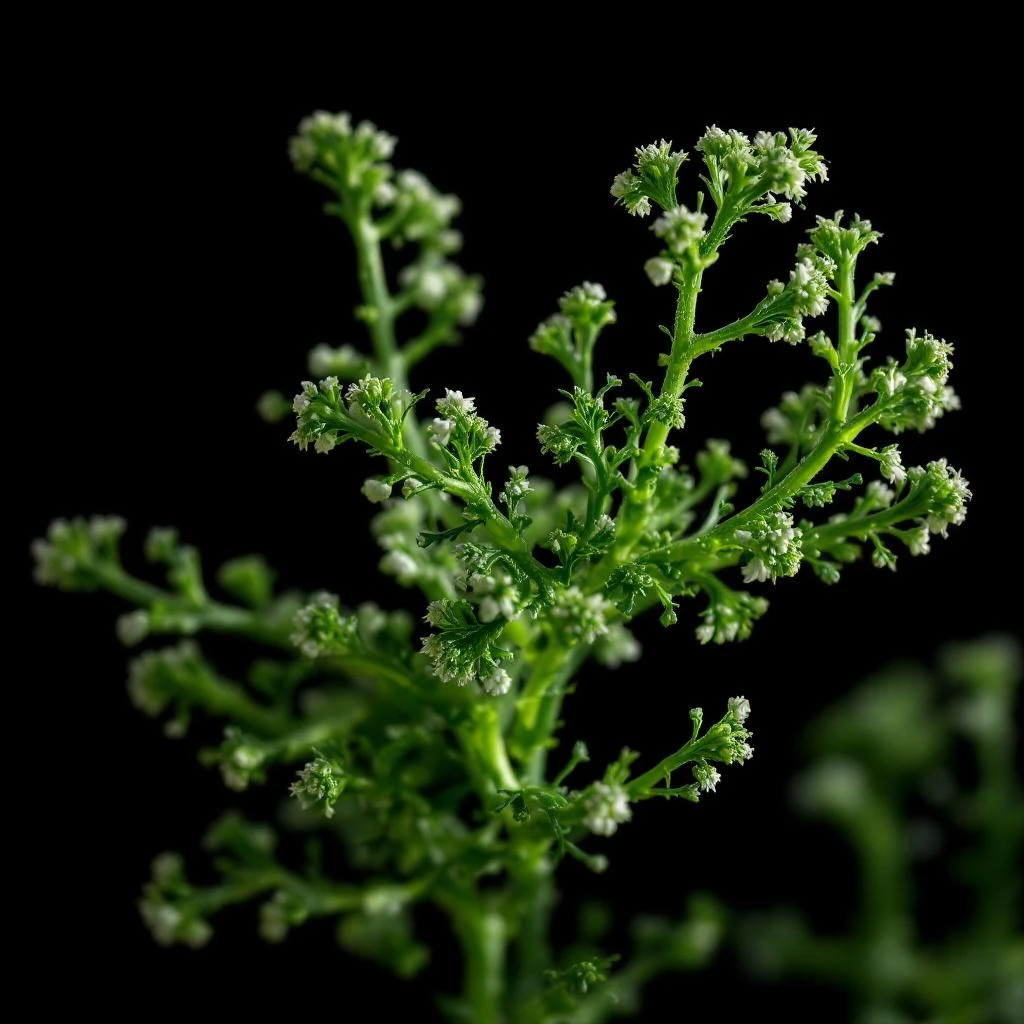
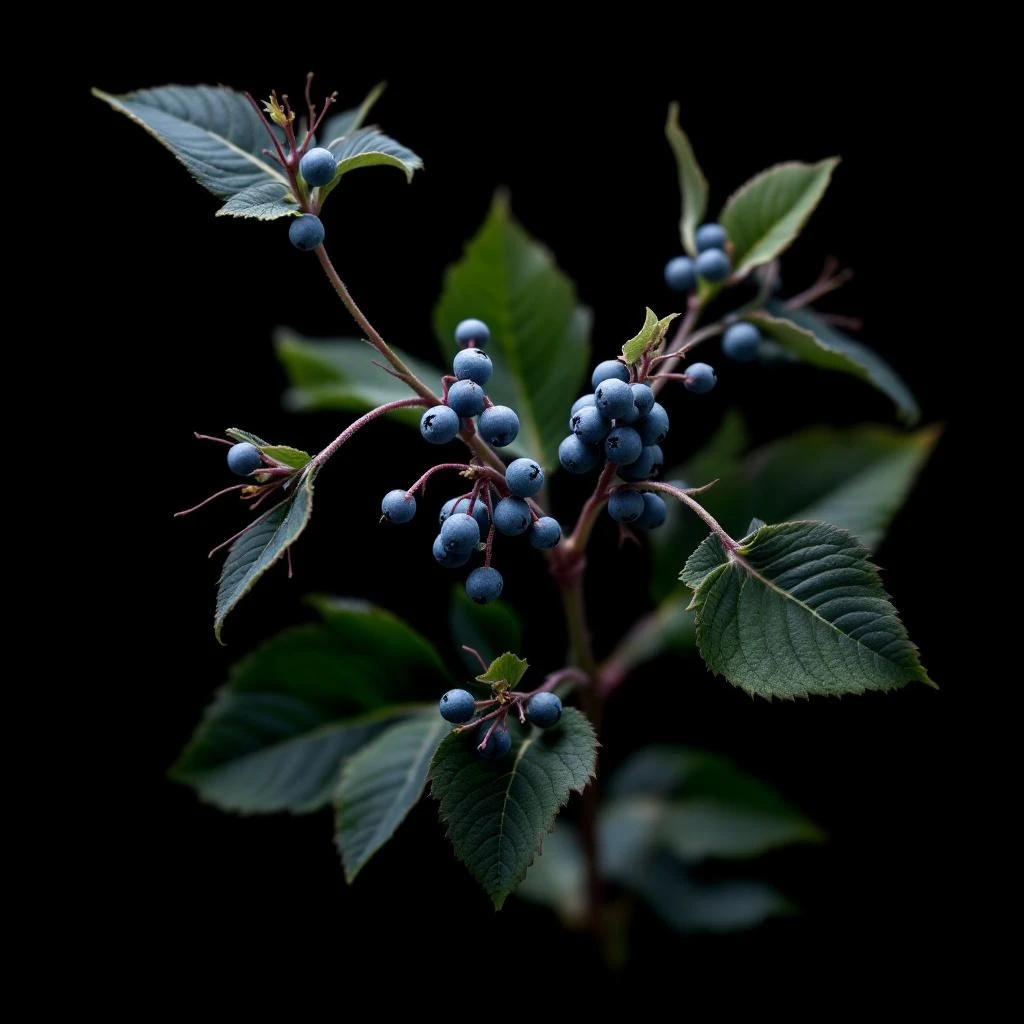
Multiple plant genera produce Dragon's Blood resin. The most prized sources grow on Socotra Island in Yemen (Dracaena cinnabari), in China and Southeast Asia (Dracaena cochinchinensis), and throughout tropical Asia (various Daemonorops rattan palms). Each source produces resin with slightly different aromatic profiles.
How is Dragon's Blood resin harvested sustainably?
Sustainable harvesting involves making controlled incisions in tree bark, allowing resin to weep naturally without killing the plant. Harvesters return periodically to collect hardened resin tears. Mature trees of 15-20 years or older produce the highest quality resin. Certifications from organizations monitoring wildcrafting practices help ensure ecological responsibility.
Is Dragon's Blood a strong fixative?
Yes, Dragon's Blood ranks among the more powerful natural fixatives available to perfumers. Its molecular composition helps slow fragrance evaporation, keeping perfume detectable on skin for extended periods compared to compositions without fixative agents. Only a small percentage is needed to achieve noticeable longevity improvements in fragrance formulations.
What fragrances traditionally feature Dragon's Blood?
Dragon's Blood appears frequently in oriental fragrances, incense-forward perfumes, and aromatic compositions with resinous or smoky profiles. It suits unisex and masculine fragrances particularly well, though perfumers also use it in feminine compositions for its warmth and depth. Niche and artisanal perfumers favor the ingredient more than mainstream brands.
How can I verify if a perfume contains real Dragon's Blood?
Check the ingredient list for botanical names like Dracaena, Daemonorops, or Croton rather than generic terms. High-quality perfumes typically specify the ingredient type. Beware of products making dramatic claims about the ingredient without clear sourcing information. Natural Dragon's Blood carries a distinctive warm, smoky signature that synthetic alternatives rarely replicate convincingly.