The Story
Why it exists.
The beginning
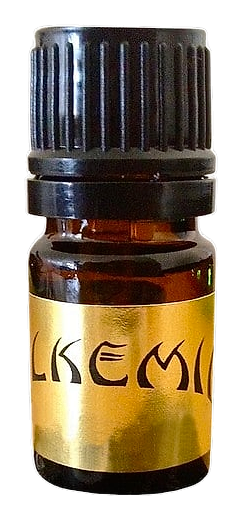
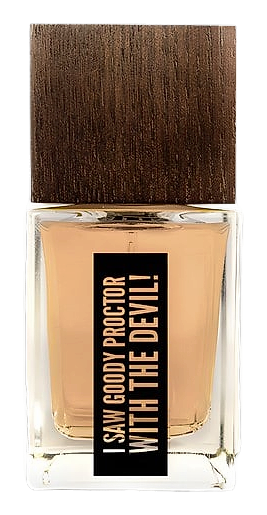
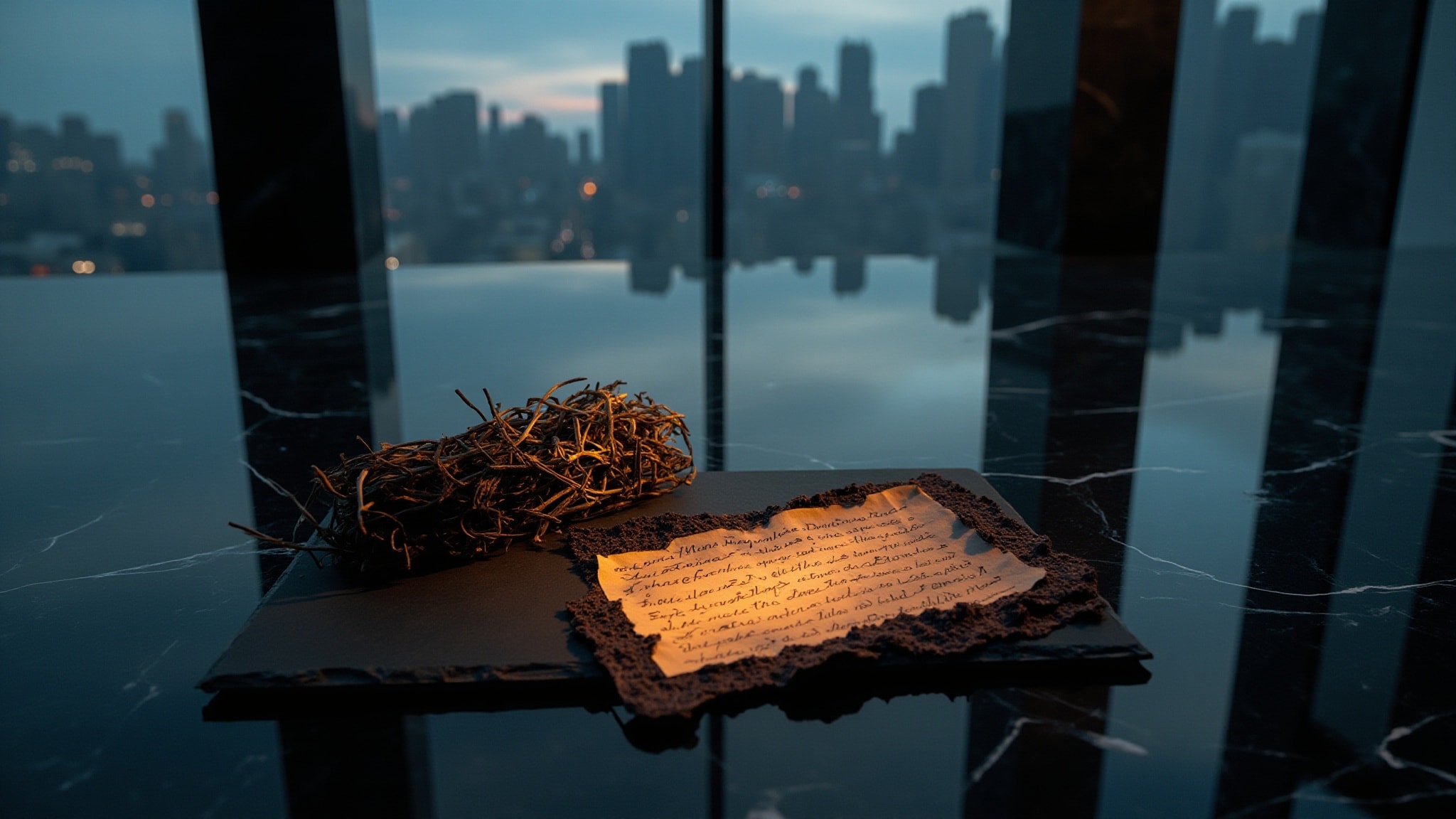
Arthur Miller's The Crucible gave Claire Baxter the blueprint. She fixed on Goody Proctor, a woman accused, desperate, caught between confession and damnation. Standing in her own kitchen, speaking to the devil. What would that smell like? Not the church's incense. Not the courtroom's fear. The kitchen's warmth turned accusation. The smoke from candles that might be prayer, or proof, or both. Champaca for the flowers she wasn't supposed to have, exotic, alive, almost obscene in Puritan hands. Dragon's blood for the sticky-sweet resin of something darker. Smoke, spices, and the smell of old paper: the testimony that outlasted the trial. Sixteen92's debut fragrance is a fragrance built from the gap between what was said and what burned beneath it.
The note structure here refuses to behave like a conventional perfume. Champaca doesn't behave like a normal floral, it's waxy, green, slightly bitter, closer to gardenia than garden-variety perfumery. Dragon's blood isn't dragon; it's a resin that smells balsamic and dark, sticky on the tongue. The smoke doesn't dominate; it seeps through everything, the way suspicion seeps through a town. And aged paper, that's the structural surprise. Not a typical base note at all. It grounds the whole composition in something archival, something that could be evidence. The result is a fragrance that doesn't try to smell beautiful. It tries to smell true.
The evolution
The opening announces smoke and champaca together, but the champaca doesn't arrive soft. It comes green-waxy, almost bitter, like herbs crushed under a stone. Incense smoke coils through immediately. A whisper of exotic spice underneath, cardamom, maybe cinnamon, but muted. The heart phase builds from there: dragon's blood rises, thick and sticky and balsamic. The exotic spices shimmer without punching. Aged paper notes emerge, and the whole thing breathes smoke. By the drydown, the smoke has softened to embers. The resins finally speak their full language, warm, dark, slightly sweet. The aged paper smell persists longest. On skin, this fragrance holds for hours. It doesn't fill a room so much as announce itself when you enter one. On fabric and hair, it clings into the next day. Come morning, there's a faint warmth left, the memory of smoke, the memory of resin, the two merged into something that smells like warmth itself.
Cultural impact
Sixteen92 carved a specific space in American indie perfumery: dark, story-driven scents that function as narrative performance rather than aesthetic accessory. When the brand launched in 2014, the market for literary-anchored niche fragrance was less crowded than it is now. The Arthur Miller reference dates the fragrance to a particular cultural moment, The Crucible had been taught in American schools for decades, and the parallel to McCarthy-era accusation was baked into its reception. That resonance shifted over time: in the decade-plus since its debut, the play's themes have gained renewed urgency as conversations about institutional accusation and public judgment intensified. The fragrance now reads differently than it did in 2014.