








Heritage
A house, in its own words
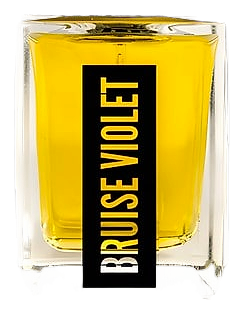
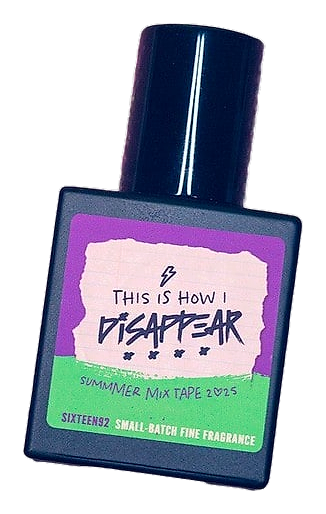
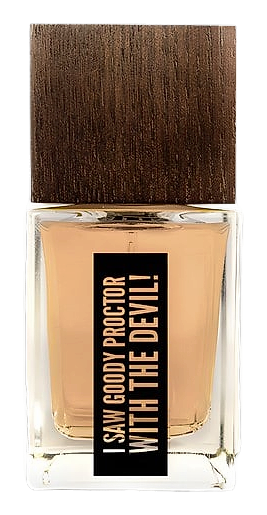
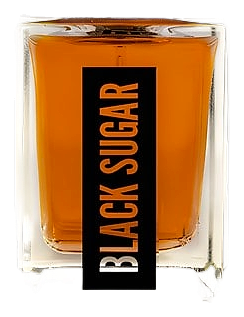
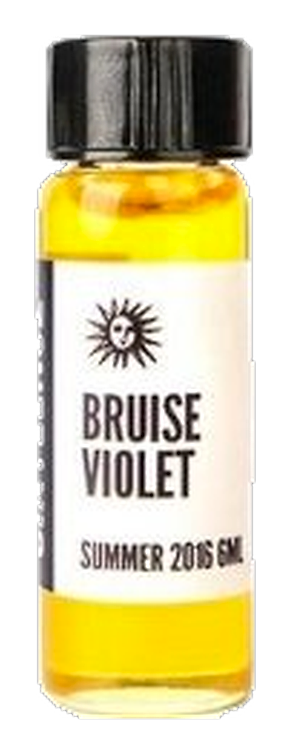
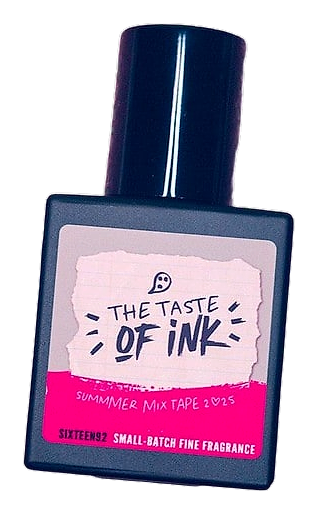
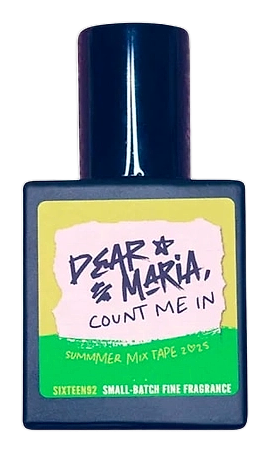
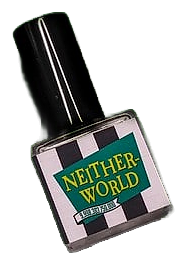
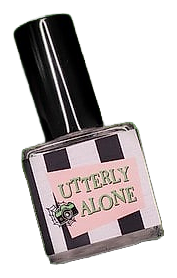
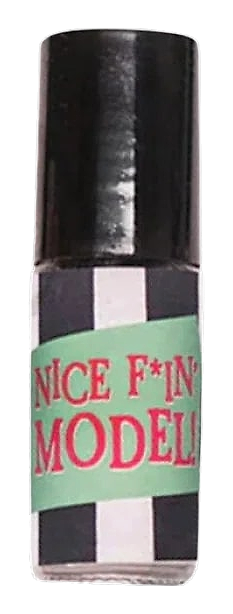
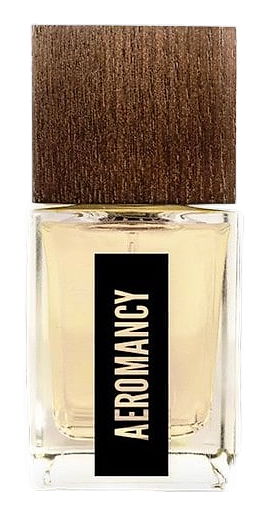
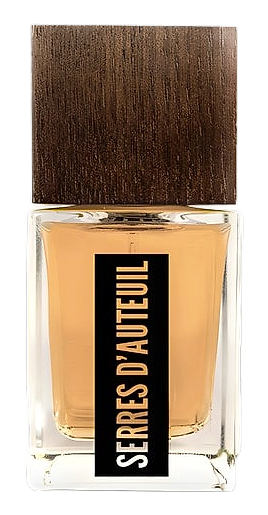
Claire Baxter launched Sixteen92 in the spring of 2014 after years behind the camera and in advertising agencies. The name references the year 1692, the peak of the Salem witch trials, a period that aligns with the brand’s fascination for the mysterious and the macabre. Early interviews describe Baxter’s transition from visual storytelling to olfactory storytelling as a natural extension of her artistic practice. The first fragrance, I Saw Goody Proctor With The Devil, debuted the same year and set the tone for the house: a composition that blended smoky incense with bitter herbs, evoking the grim atmosphere of 17th‑century New England. In 2015 the line expanded with Ved’Ma and Black Sugar, both of which explored gourmand darkness—cocoa‑rich notes paired with metallic accents. The following year brought Bruise Violet and Montmartre, the former a tribute to the raw emotion of early punk scenes, the latter a fragrant homage to the Parisian district that inspired countless painters. 2017 saw the release of Serres d'Auteuil, a scent that references a historic French garden, and Aeromancy, a fragrance that imagines the scent of high‑altitude winds. By 2019 Sixteen92 had moved its workshop to a modest studio in Fort Worth, where Baxter began hand‑filling each order herself. This hands‑on approach reinforced the brand’s commitment to small‑batch production and allowed for rapid experimentation. The 2020s introduced a series of collaborations with independent artists and writers, resulting in limited editions such as Thank You For The Venom (2020) and The Taste of Ink (2025). In 2024 the house released Utterly Alone, a solitary, minimalist composition that reflects contemporary feelings of isolation. Throughout its decade‑long journey, Sixteen92 has remained anchored to its founding principle: to craft scents that act as immersive, narrative experiences rather than mere decorative accessories. Sixteen92 treats perfume as a narrative medium. The brand’s creative vision centers on translating a specific story, place, or myth into scent, allowing the wearer to inhabit that world for a few fleeting moments. Claire Baxter describes the process as “writing with aroma,” a practice that blends her background in visual composition with a deep research into historical texts, folklore, and occult symbolism. The house avoids generic trend‑following; instead, each fragrance is anchored to a concrete reference point—whether a 19th‑century French garden, a Salem courtroom, or a modern‑day graffiti tag. Values of authenticity and intimacy guide every decision. Small‑batch production means the team can source rare ingredients responsibly, often choosing suppliers who practice sustainable harvesting. The label also prioritizes transparency: ingredient lists are published on the website, and Baxter frequently discusses the inspiration behind each launch in interviews and social media posts. Community engagement is another pillar; the brand invites collectors to share personal stories about how a scent resonates with their own lives, reinforcing the idea that perfume is a shared, emotional language. By framing each bottle as a chapter in a larger, ever‑growing anthology, Sixteen92 encourages its audience to view fragrance as an active, participatory art form.