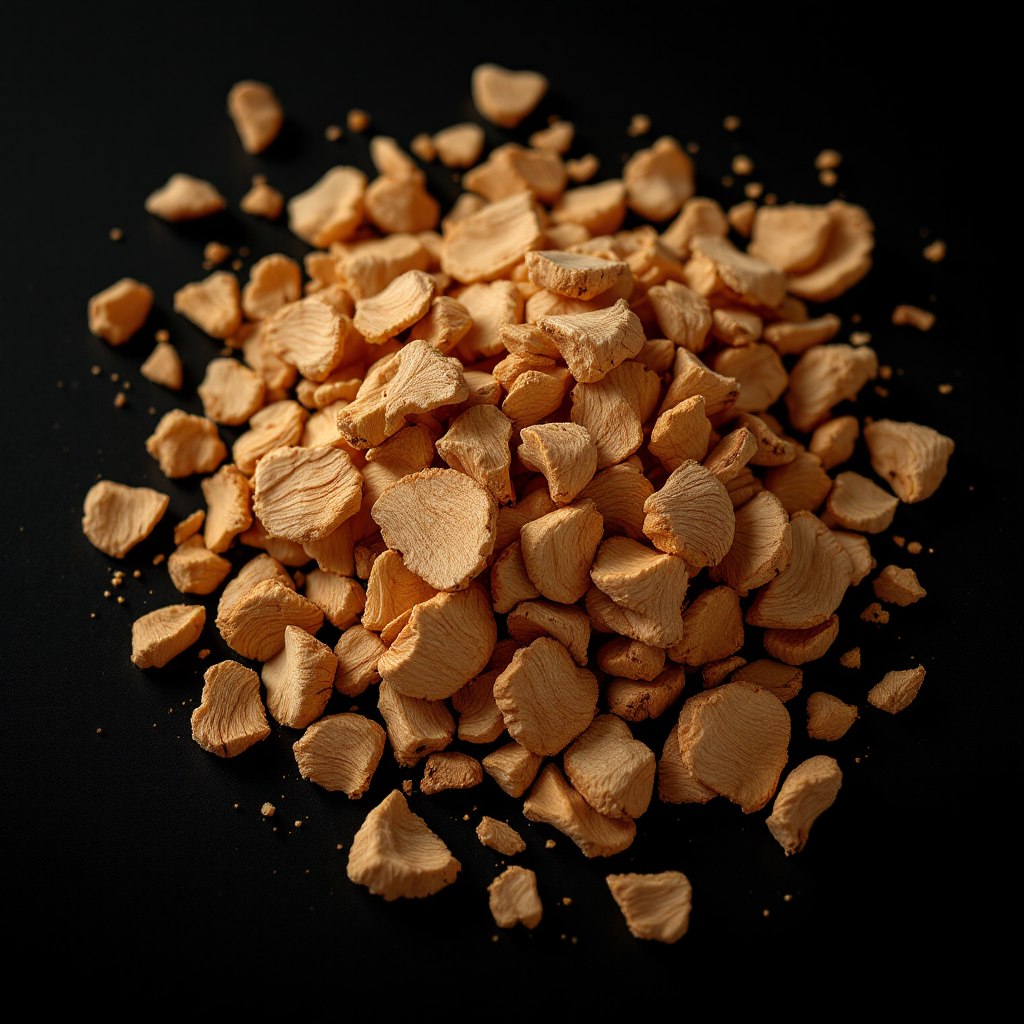
Thujopsis
Thujopsis, or Hiba, is a coniferous treasure from Japan's mountain forests. Its essential oil carries a warm, woody character with subtle balsamic and camphoraceous undertones—a rare ingredient prized for bringing quiet depth and earthy sophistication to fragrance compositions.
Character
How it smells
Japan's ancient conifer, rarely seen outside its homeland.
The Thujopsis dolabrata can live for over 800 years, earning it a place as a protected species in several Japanese prefectures.








Origin
Japan
Thujopsis has grown in Japan's forest understory for millennia, valued by local communities for its durable wood and aromatic properties. Japanese craftsmen historically used the timber for temple construction and decorative objects, recognizing the tree's resistance to decay.
Fragrance use emerged more recently as perfumers sought distinctive regional ingredients. The tree holds cultural significance in several prefectures, often associated with Shinto shrine forests where specimens over 500 years old still stand.
Western perfumery discovered Thujopsis oil primarily through Japanese trading houses in the mid-20th century, though its use remains limited to niche fragrance houses seeking unusual woody materials. The ingredient represents a bridge between traditional Japanese aromatic practices and contemporary perfumery's interest in lesser-known botanicals.
Wears it best
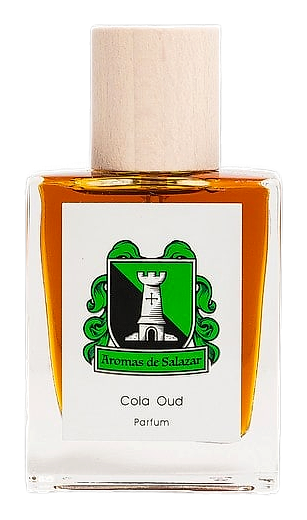
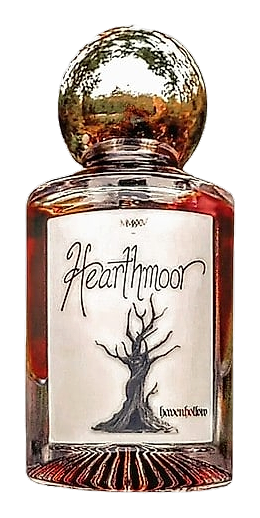
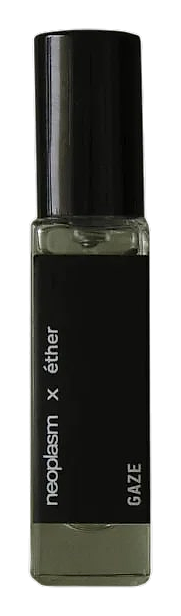
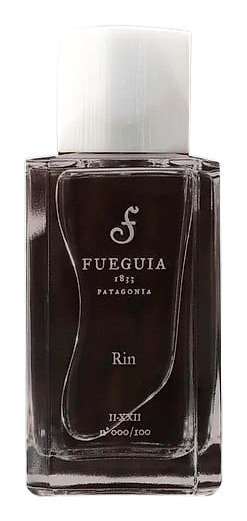
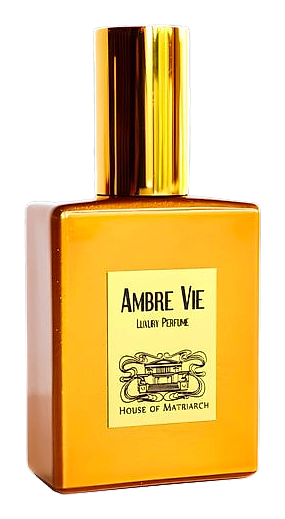
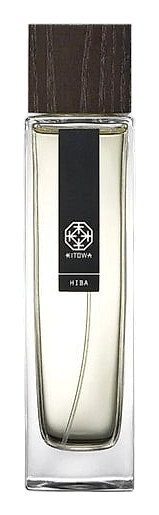
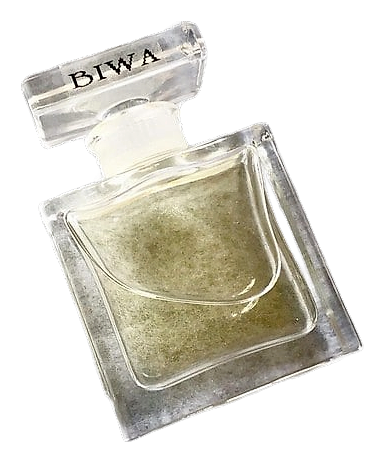
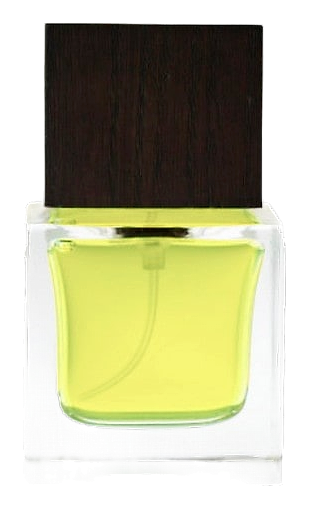
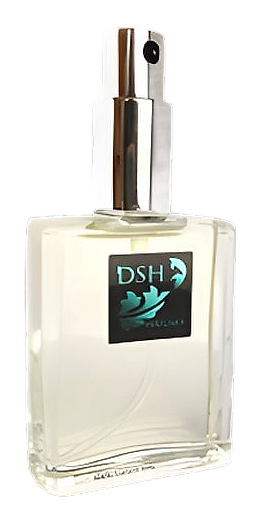
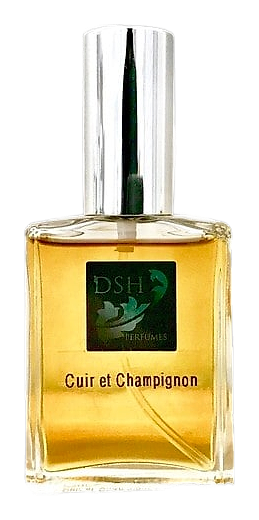
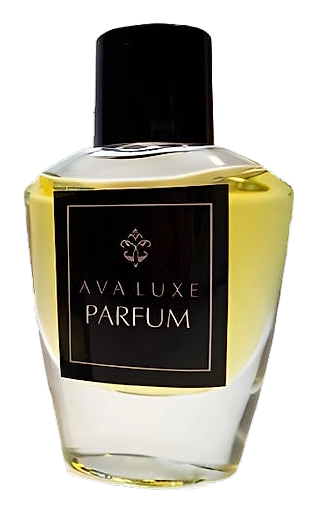
Fragrances featuring Thujopsis
Brands
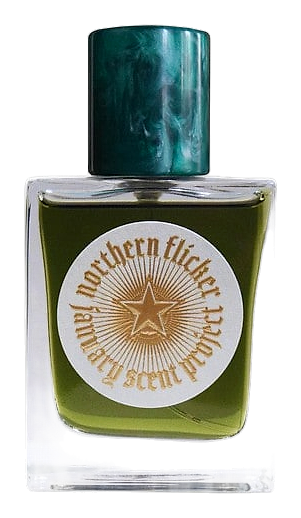
Brands known for Thujopsis
Good to know
Questions, answered
The essentials on Thujopsis in perfumery: how it smells, where it comes from, and how it behaves on skin.
What does Thujopsis essential oil smell like?
Thujopsis oil has a warm, woody aroma with balsamic and faintly camphoraceous undertones. It resembles cedarwood crossed with淡淡的 camphor, creating an earthy, meditative quality in blends.
Where does Thujopsis grow naturally?
Thujopsis dolabrata grows natively in Japan's mountain forests, particularly in Honshu and Hokkaido. It thrives in cool, humid conditions at elevations between 500 and 2,000 meters.
Why is Thujopsis so rarely used in perfumery?
Limited production stems from the tree's protected status in many Japanese regions and the small yield from steam distillation. Only specialized suppliers handle this material, making it a niche ingredient.
What family does Thujopsis belong to?
Thujopsis is a monotypic genus within the Cupressaceae family, making it botanically distinct from other conifers like cedar or cypress despite superficial similarities.
Can Thujopsis be combined with other woody ingredients?
Yes, Thujopsis blends well with cedarwood, sandalwood, and vetiver. Its camphoraceous edge also pairs interestingly with aromatic herbs like rosemary and sage.
Is Thujopsis oil sustainable?
Most Thujopsis oil comes from managed wild harvests or cultivated sources, though volumes are minimal. Buyers should request sustainability documentation from suppliers.
How long has Thujopsis been used in fragrance?
Traditional Japanese use dates back centuries for timber and ceremonial purposes, but fragrance applications emerged only in the mid-20th century through trade channels.
What compounds give Thujopsis its characteristic scent?
Thujopsene, a sesquiterpene hydrocarbon, dominates the oil's chemistry. Other compounds include thujyl alcohol and various cedrene derivatives contributing to its woody profile.