
The Story
Why it exists.
The beginning
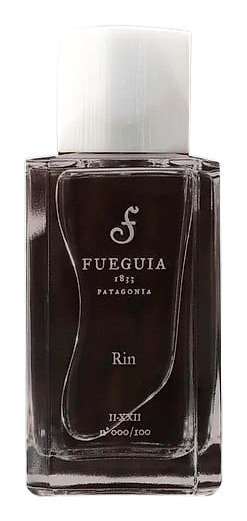
Julian Bedel created Rin as a study in a single sensation: the forest at first light. The Linneo collection is where Fueguia 1833 translates cultural olfactory memories into wearable form, and Rin is its greenest, most meditative entry. Hinoki, Japanese cypress, anchors the composition, a material rare outside Japan and rarer still in Western perfumery. The name itself carries intention: Rin echoes the quiet clarity of a mind unobstructed.
What makes Rin unusual is its restraint. Most woody fragrances lean into warmth, resin, or smoke. Rin stays cool, green, and herbal throughout its arc. The combination of lemongrass, yuzu, and Hinoki creates a scent that reads as botanical rather than perfumed, closer to the smell of crushed herbs in a forest than to a conventional fragrance pyramid. Hiba, a relative of Hinoki from the same Thujopsis family, adds a slightly camphoraceous depth that most noses won't recognize but will feel as a kind of meditative clarity.
The evolution
Rin opens bright and immediate. Lemongrass and yuzu arrive together, crushed green stalks and a flash of tart citrus, sharp and alive. No softening, no delay. Around 15-30 minutes, the Japanese cypress notes take over. Hinoki and Hiba create something resinous and forest-like, a little camphoraceous, a little blonde-wood clean. The pink pepper arrives late, subtle warmth that rounds the edges. By the drydown, 3-5 hours on most skin, the fragrance settles into a quiet cedar warmth that stays close and intimate. Not a room-filler. A skin scent that someone standing near you will lean in to find.
Cultural impact
Rin represents the quieter end of Fueguia 1833's output, green, herbal, forest-forward rather than fashion-forward. It attracts wearers who treat fragrance as a personal practice rather than a social signal. The Linneo collection explores botanical territories with restraint, and Rin serves as a meditation on Japanese forest materials rather than a statement piece. This approach places the fragrance outside conventional fragrance culture, where discretion and contemplative character matter more than sillage or presence.