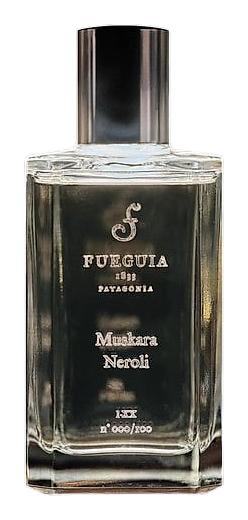
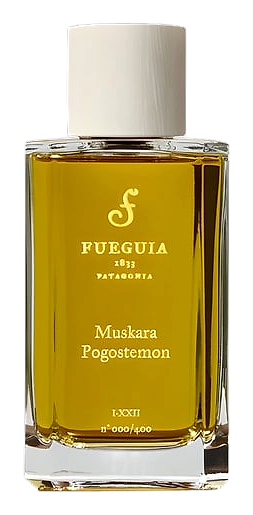
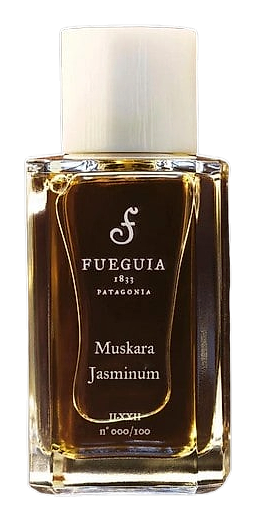
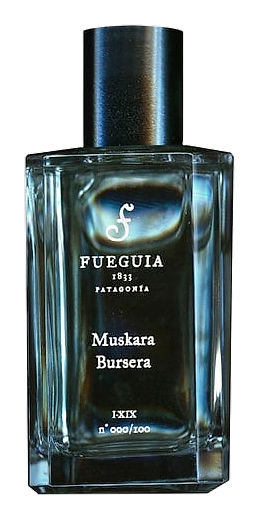
    Brand Profile

    Fueguia 1833 is an Argentine fragrance house that creates limited‑edition scents rooted in the botanical heritage of Patagonia. Each perfume…More

    Argentina·Est. 2010·Site

    6

    Fragrances

    4.4

    Rating

    Just Landed

    New Arrivals

    The latest additions to the Fueguia 1833 collection.

    50
    Oud Sándalo by Fueguia 1833
    Best Seller
    5.0

    Oud Sándalo

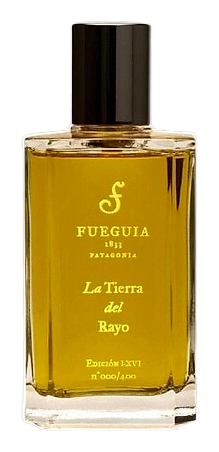
    La Tierra del Rayo by Fueguia 1833
    4.2

    La Tierra del Rayo

    Oud Ambar by Fueguia 1833
    Best Seller
    5.0

    Oud Ambar

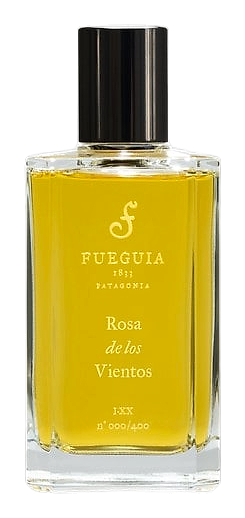
    Rosa de los Vientos by Fueguia 1833
    Best Seller
    4.6

    Rosa de los Vientos

    Oud Chaco by Fueguia 1833
    4.6

    Oud Chaco

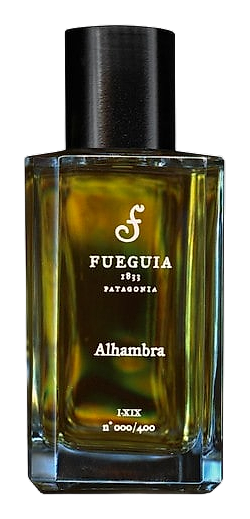
    Alhambra by Fueguia 1833
    4.5

    Alhambra

    Muskara Bulnesia by Fueguia 1833
    4.5

    Muskara Bulnesia

    Cruz del Sur by Fueguia 1833
    4.5

    Cruz del Sur

    Oud Prachin by Fueguia 1833
    4.5

    Oud Prachin

    Oud Jungle by Fueguia 1833
    4.5

    Oud Jungle

    Vicuña by Fueguia 1833
    4.5

    Vicuña

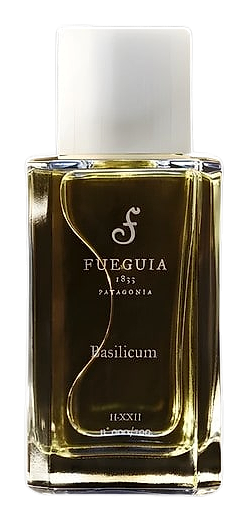
    Basilicum by Fueguia 1833
    4.5

    Basilicum

    1 of 5

    The Heritage

    The Story of Fueguia 1833

    Fueguia 1833 is an Argentine fragrance house that creates limited‑edition scents rooted in the botanical heritage of Patagonia. Each perfume draws on medicinal plants harvested from the region’s wild landscapes, and the brand presents its creations as vintage‑style bottles that evoke a sense of travel and memory. The house operates a vertically integrated supply chain, growing, extracting and bottling its own raw materials, which allows it to maintain tight control over quality and environmental impact. Its collections, such as Rosa de los Vientos (2018) and Oud Jungle (2022), have attracted collectors who value authenticity and a narrative that links scent to place.

    Heritage

    Julian Bedel founded Fueguia 1833 in 2010 after years of study in ethnobotany and a personal fascination with the stories of early explorers in Patagonia. The brand’s name commemorates a 1833 encounter in Tierra del Fuego that brought together Charles Darwin, navigator Robert Fitz Roy and a local indigenous guide; the meeting inspired Bedel to frame scent as a bridge between scientific curiosity and cultural memory. Early production took place in a modest laboratory in Buenos Aires, where Bedel experimented with native herbs and resins, eventually scaling up to a dedicated farm on the southern coast of Argentina. In 2015 the house opened its first public gallery in Buenos Aires, showcasing raw botanical specimens alongside finished perfumes. By 2018 the line expanded to include the first oud‑focused releases, Oud Chaco and Oud Prachin, marking a shift toward incorporating imported oud while still grounding each blend in Patagonian aromatics. A 2020 partnership with a local university enabled the development of a sustainable extraction method that reduces solvent use and preserves plant biodiversity. The brand entered the North American market in 2022 through a curated online store, followed by a physical gallery opening in London’s Mount Street in early 2023. In March 2026 Fueguia 1833 announced a West Coast gallery in Southern California, extending its presence to the United States mainland. Throughout its evolution, the house has remained privately owned, with Bedel retaining creative direction and a commitment to vertical integration that keeps the scent‑making process within the same geographic footprint where the plants grow.

    Craftsmanship

    Every bottle that leaves the Fueguia 1833 workshop begins with a field expedition to the Patagonian steppe or forest. Harvest teams, composed of agronomists and local guides, collect roots, leaves and resins during a narrow seasonal window to capture peak aromatic potency. The raw material is then transported to the brand's own extraction facility, where a cold‑press and steam‑distillation system operates under strict temperature controls to preserve volatile compounds. Bedel’s team records each batch's chemical profile using gas chromatography, allowing them to match the scent to the exact geographic plot of origin. After extraction, the aromatic concentrate is blended in small‑scale glass vessels, where the perfumer (often Bedel himself) conducts iterative testing with natural fixatives such as labdanum and ambergris alternatives derived from sustainable marine sources. The final perfume is aged in reclaimed wooden barrels for several months, a practice borrowed from the wine industry that smooths the volatile edges and integrates the complex notes. Bottling occurs on site; the glass is hand‑blown in a nearby studio, and each stopper is carved from reclaimed wood, echoing the brand’s commitment to circularity. Quality checks include blind scent panels and stability testing under varying humidity levels, ensuring that the fragrance remains true to its intended profile for at least three years. The entire process, from seed to scent, is documented in a ledger that the brand makes available to partners who wish to audit its environmental claims.

    Design Language

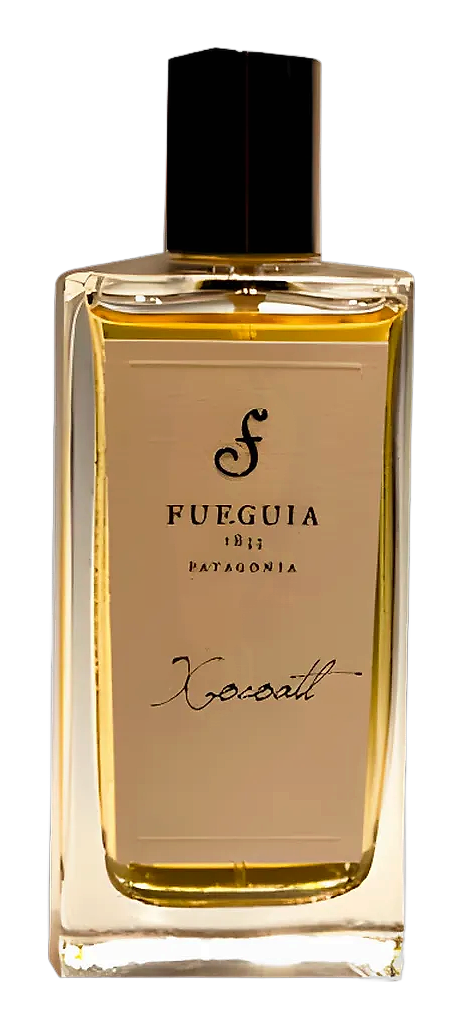
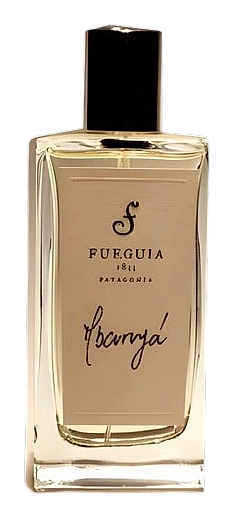
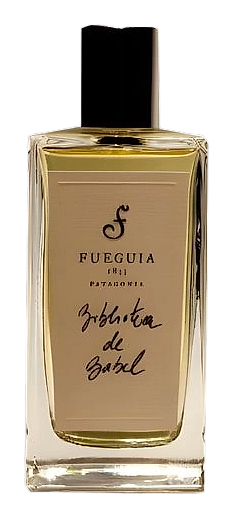
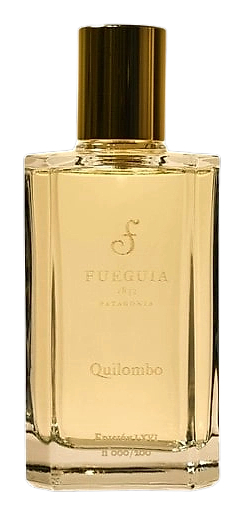
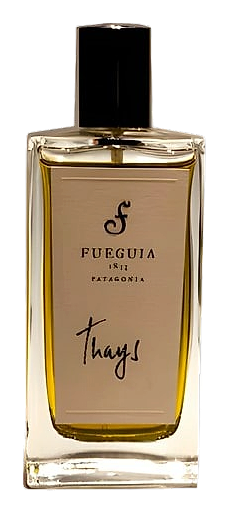
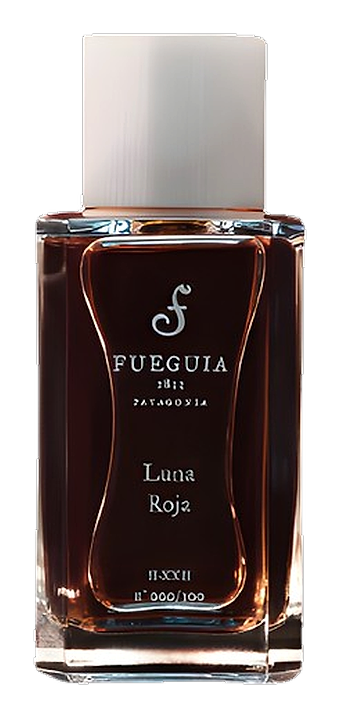
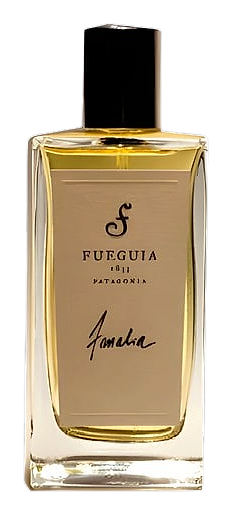
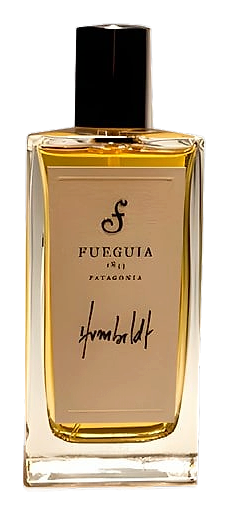
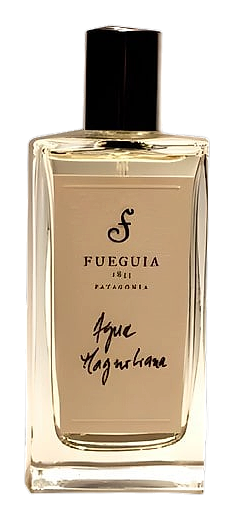
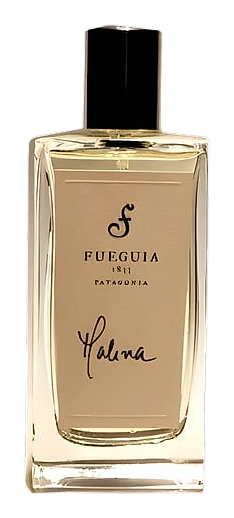
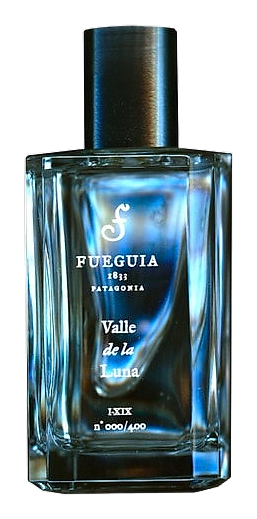
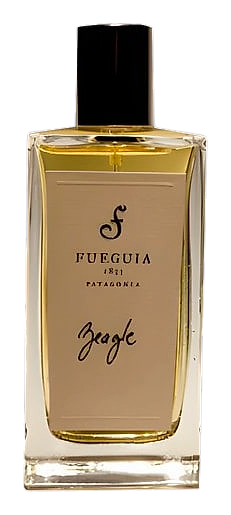
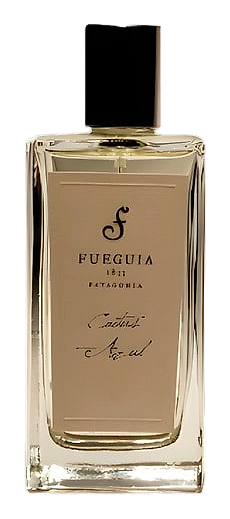
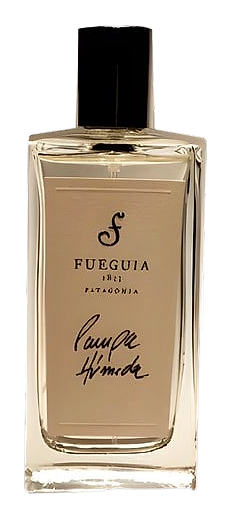
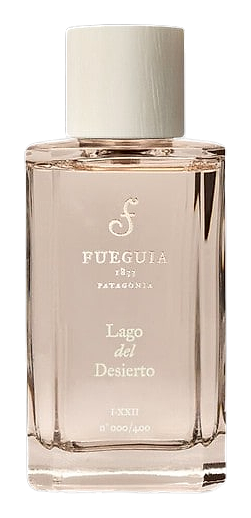
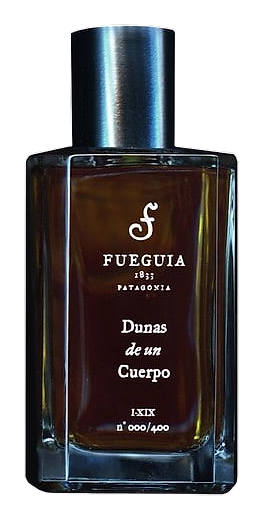
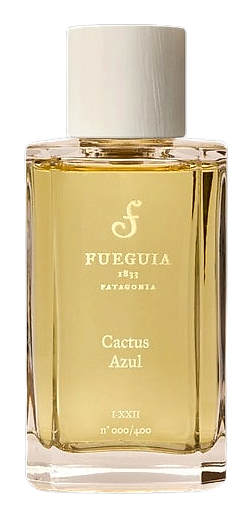
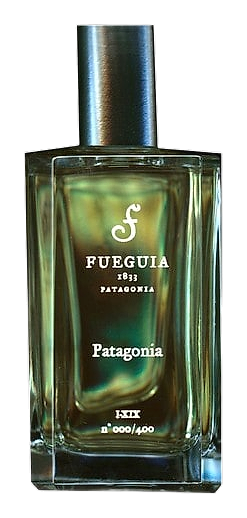
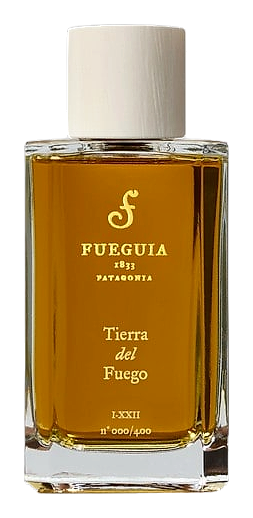
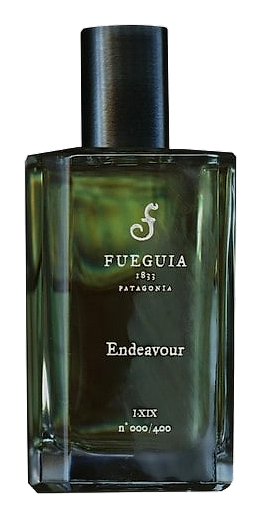
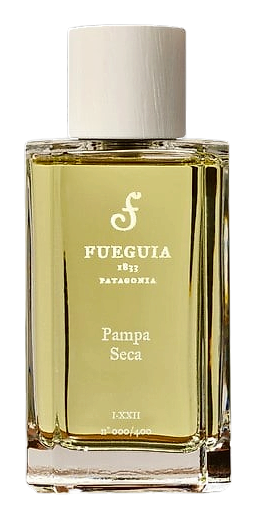
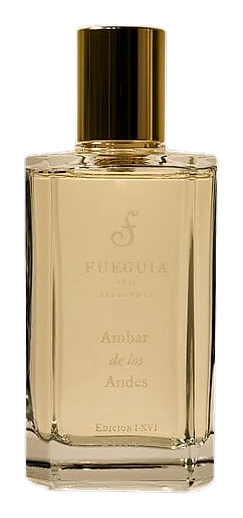
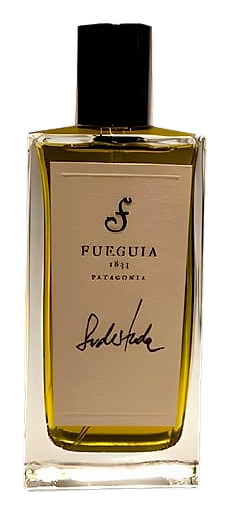
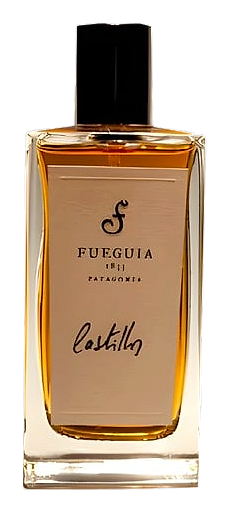
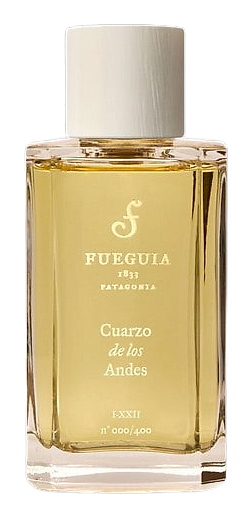
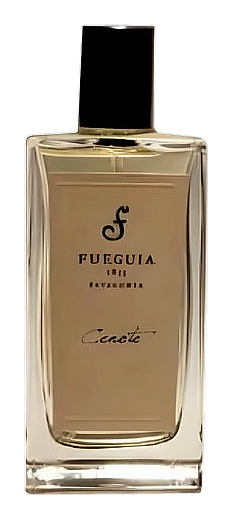
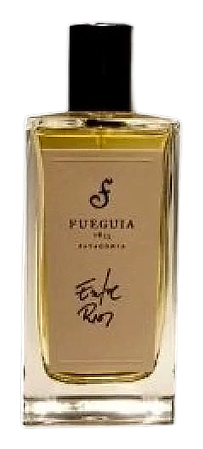
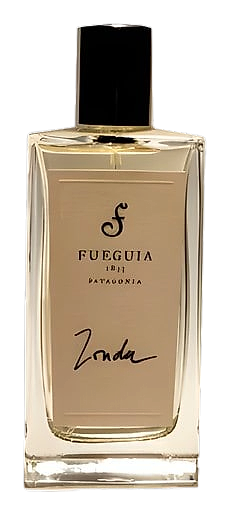
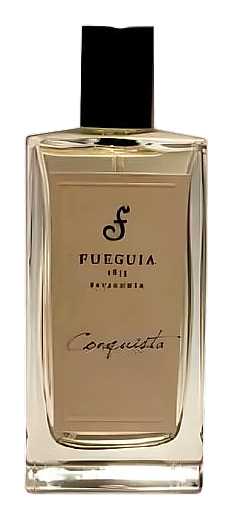
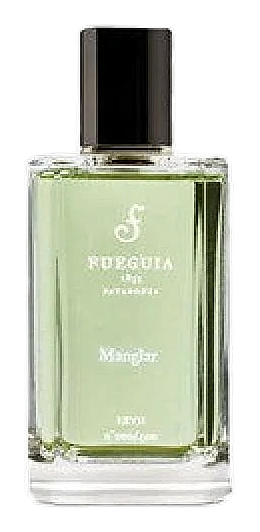
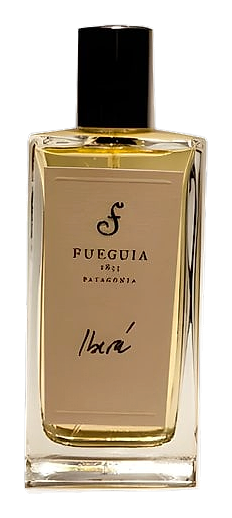
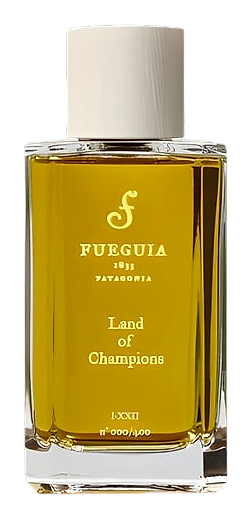
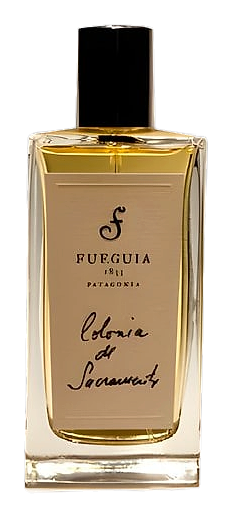
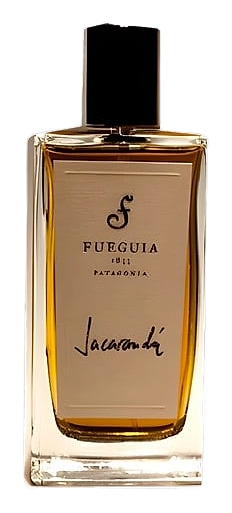
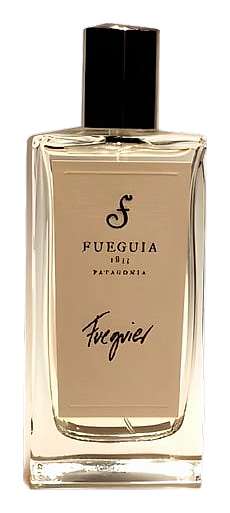
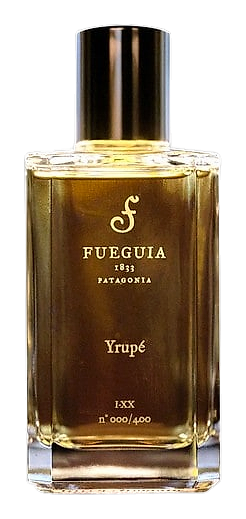
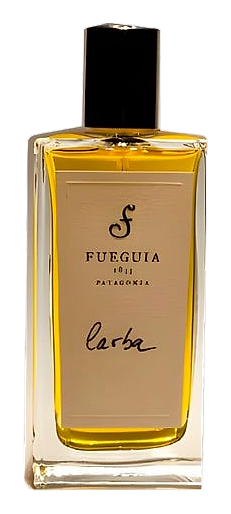
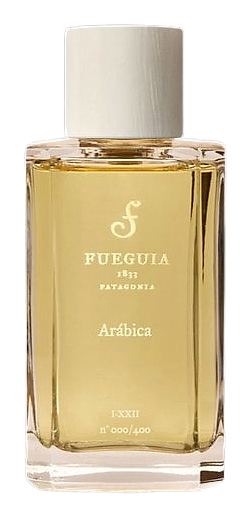
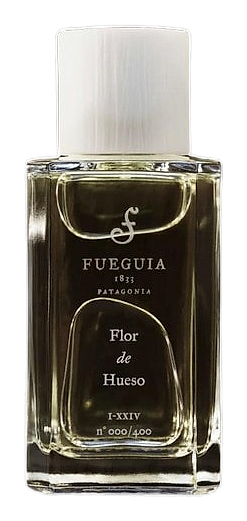
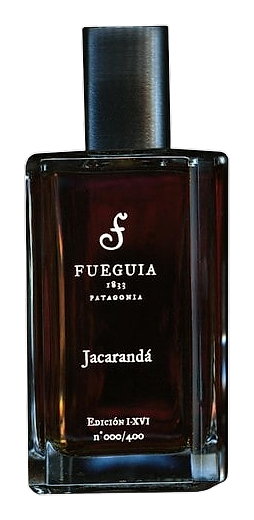
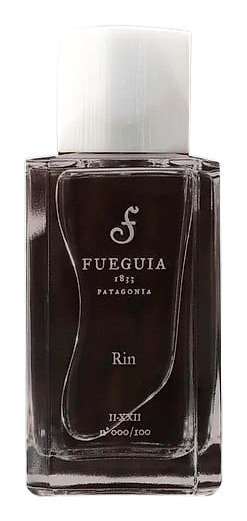
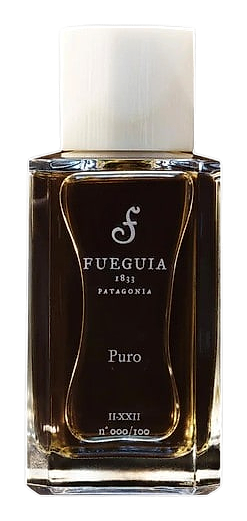
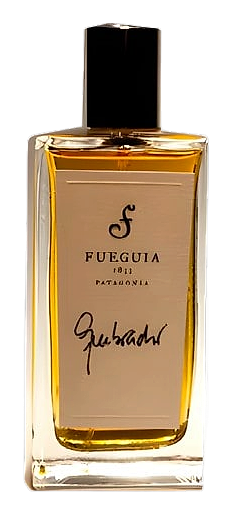
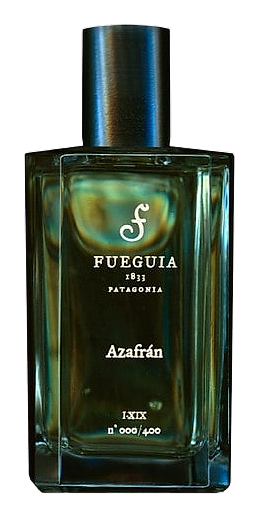
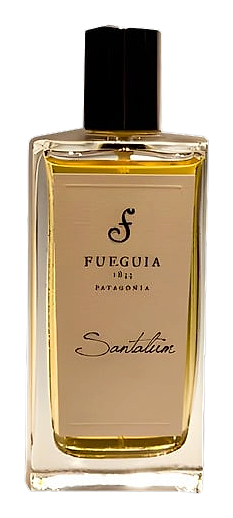
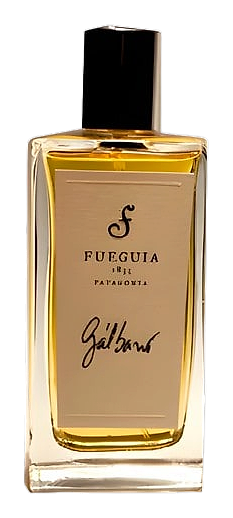
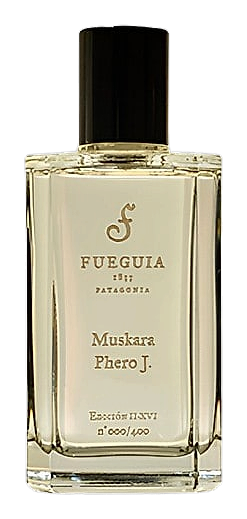
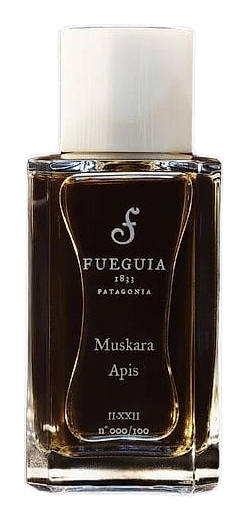
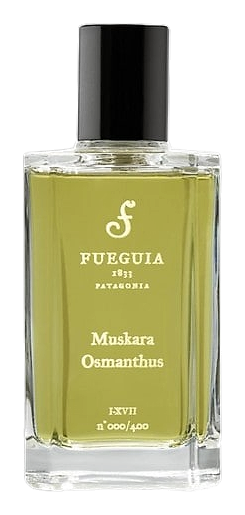
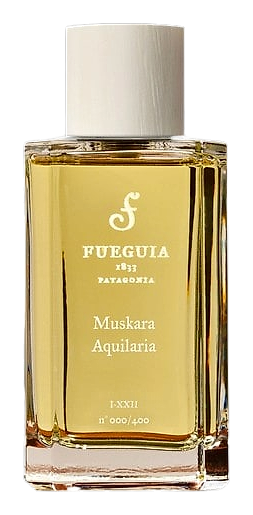
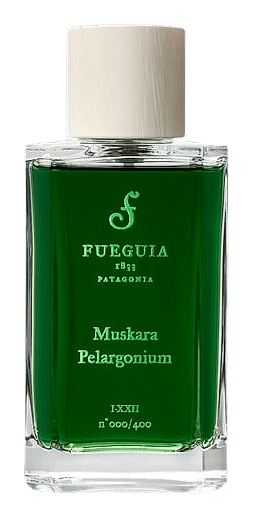
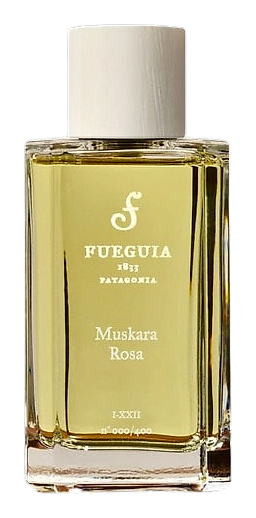
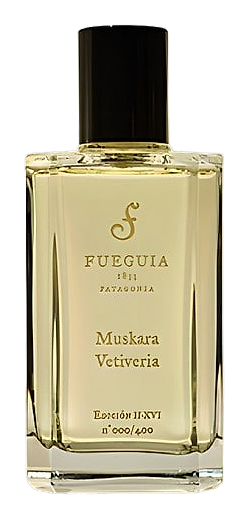
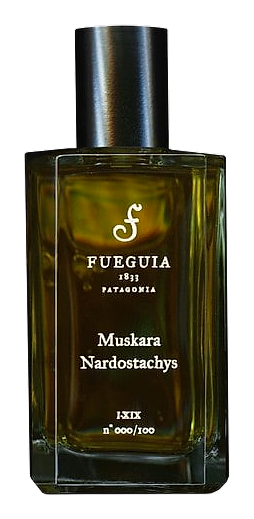
    The visual language of Fueguia 1833 mirrors the rugged geography of southern Argentina. Bottles feature a matte amber glass that softens the light, reminiscent of the region’s sunrise over the Andes. Labels are printed on recycled parchment with hand‑drawn botanical illustrations, each signed by the collector who sourced the primary ingredient. Typography uses a classic serif typeface that references 19th‑century scientific journals, reinforcing the brand’s narrative of exploration. The caps are crafted from sustainably sourced hardwood, left natural or lightly oiled to reveal grain patterns that echo the bark of native trees. In gallery spaces, scent is paired with curated displays of dried herb bundles, vintage maps and archival photographs of early Patagonian expeditions, creating an immersive environment that feels more like a museum than a retail showroom. Marketing collateral avoids glossy perfection; instead it presents close‑up textures of plant material, the grain of the wooden caps, and the subtle imperfections of hand‑blown glass, inviting the viewer to appreciate the tactile qualities of the product. This restrained aesthetic has earned the brand recognition in design circles for its coherence between form, function and story.

    Philosophy

    Fueguia 1833 treats fragrance as a form of botanical research rather than pure fashion. The house believes that each scent should tell a story about the land from which its ingredients originate, and it therefore prioritizes field work, seasonal harvesting and close collaboration with local communities. Sustainability is framed as a scientific principle: the brand measures soil health, monitors plant regeneration and adjusts planting cycles to avoid over‑extraction. Creative vision rests on the idea of "remembrance through aroma," a concept that encourages wearers to recall specific moments of travel, weather or cultural exchange. The company avoids generic claims of innovation; instead it publishes brief reports on its extraction yields and shares photographs of the harvest process on its website. Ethical sourcing extends to fair‑trade agreements with indigenous gatherers, who receive a share of the revenue and are consulted on the selection of species used in new releases. The brand also supports educational programs that teach young people about the medicinal properties of Patagonian flora, reinforcing a cycle of knowledge that feeds back into the creative laboratory.

    Key Milestones

    2010

    Julian Bedel establishes Fueguia 1833 in Buenos Aires, launching the first line of Patagonian‑inspired scents.

    2015

    Opening of the first public gallery in Buenos Aires, showcasing raw botanical specimens alongside finished perfumes.

    2018

    Release of Rosa de los Vientos and Alhambra, marking the brand's expansion into complex floral and amber compositions.

    2020

    Collaboration with a local university to develop a low‑solvent extraction method that reduces environmental impact.

    2022

    Launch of the North American online store and introduction of the Oud Chaco and Oud Prachin collections.

    2023

    Inauguration of a London gallery on Mount Street, bringing the brand's Patagonian narrative to a European audience.

    At a Glance

    Brand profile snapshot

    Origin

    Argentina

    Founded

    2010

    Heritage

    16

    Years active

    Collection

    6

    Fragrances released

    Avg Rating

    4.4

    Community sentiment

    Release Rhythm

    2025
    1
    2023
    1
    2022
    7
    2020
    3
    2019
    7
    2018
    7
    2017
    5
    2016
    3
    fueguia1833.com

    Did You Know?

    Interesting Facts

    Distinctive details and defining moments that shape the house personality.

    01

    The brand’s name references a historic 1833 meeting in Tierra del Fuego that involved Charles Darwin, navigator Robert Fitz Roy and a local indigenous guide.

    02

    Fueguia 1833 operates its own farm in Patagonia, allowing it to harvest and process plants on site rather than relying on third‑party suppliers.

    03

    Each bottle’s wooden cap is carved from reclaimed timber sourced from decommissioned fishing vessels that once operated in the Southern Atlantic.

    04

    The company publishes annual reports that include detailed gas‑chromatography data for each botanical extract, a practice uncommon among niche perfume houses.

    The Artisans

    The Perfumers