Julian Bedel
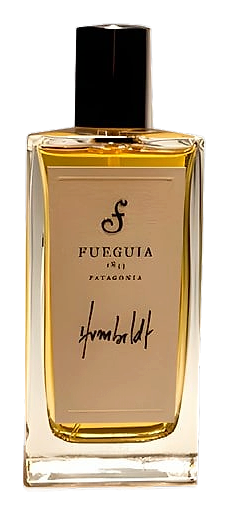
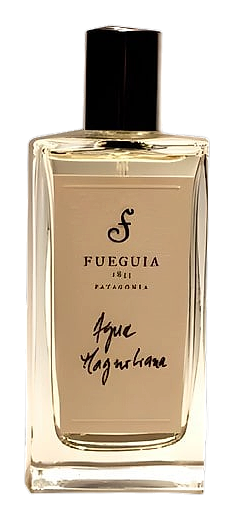
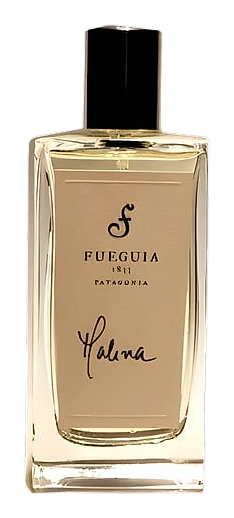
Julian Bedel arrived on the niche fragrance scene in 2010 with the launch of Fueguia 1833, a label that bears the year of Argentina’s first scientific expedition. He grew up between Buenos Aires, Milan and the Patagonian steppe, a geography that taught him to read scent as a map of memory. An artist by training, Bedel first presented his creations inside a gallery installation, arranging glass flasks like pigments on a canvas. The exhibition caught the attention of collectors and sparked a small but devoted following. Since that debut, he has built a laboratory that merges botanical research with a painter’s eye for composition, turning each bottle into a tactile story. His work now appears in boutique corners worldwide, and he continues to mentor young noses who share his curiosity about nature’s chemistry.
The hits
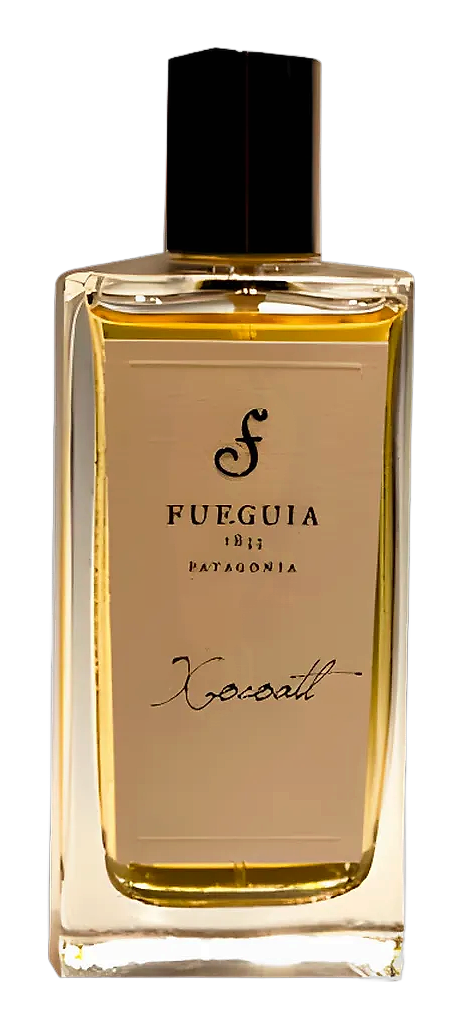
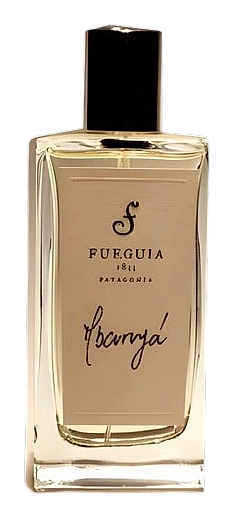
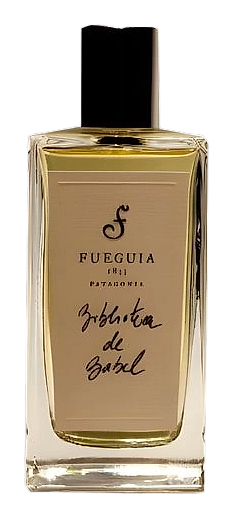
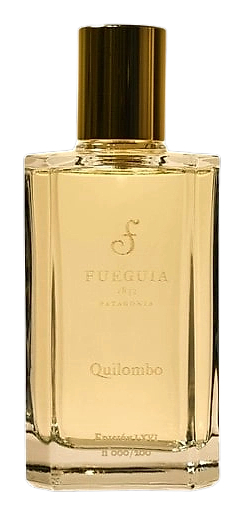
Notable creations

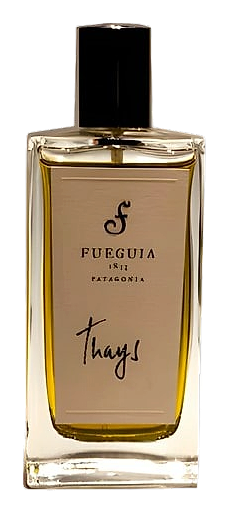
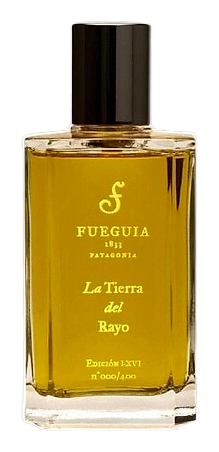
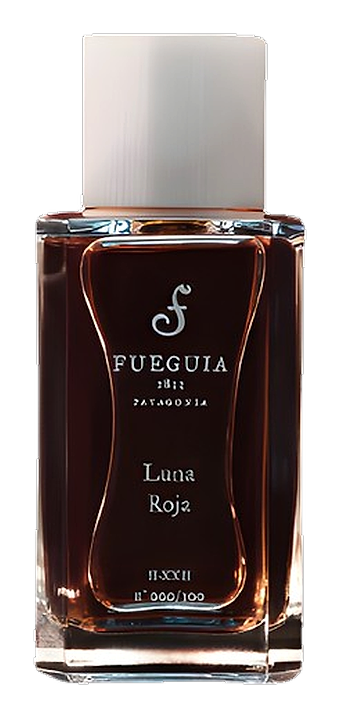
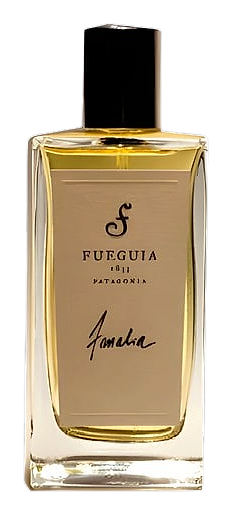
The signature
How Julian composes
Julian favors a palette that mixes rare South American botanicals with classic European absolutes. He often extracts essential oils from medicinal herbs such as catuaba, calafate and patagonian tea, then anchors them with ambergris, cedar and fine musks. His technique includes cold‑pressing fresh foliage before distillation, preserving volatile top notes that would otherwise fade. He layers ingredients in a way that reveals new facets over time, allowing the fragrance to evolve on the skin. The result feels both scientific and poetic, a clear structure softened by organic nuance.
Philosophy
What drives Julian
Bedel treats perfume as a laboratory of emotion. He believes that scent can translate the invisible chemistry of a place into a tactile experience. Each formula starts with a question about a landscape, a memory or a medicinal plant, then he isolates the core molecule that best answers it. He respects the lineage of traditional aromatics while insisting on rigorous scientific validation, a balance that keeps his creations both nostalgic and precise. For him, the act of blending is an act of listening—to the earth, to the lab, to the wearer’s skin.
The houses