The Story
Why it exists.
The beginning
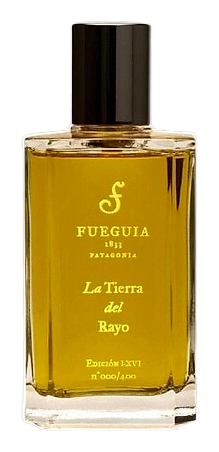
Julian Bedel designed La Tierra del Rayo for Fueguia 1833, the Argentinian house whose identity is inseparable from the wild landscapes of Patagonia. The name itself locates the wearer at the geographic coordinates of Tierra del Fuego, the archipelago where the Andes meet the sea and weather systems collide with unpredictable force. The Destinos collection maps these locations with precision, translating geographic coordinates into atmospheric conditions. Lightning in this context is not a metaphor for drama alone but a reference to the actual electrical storms that sweep across those southernmost latitudes, charged by the meeting of cold Antarctic air and warmer Pacific currents. Bedel's choice of materials reflects this origin: oak as the dominant structural element recalls the Lenga beeches and Calafate brush that define the region's vegetation, while the red berries reference the wild fruits that color the Patagonian autumn.
The choice of oak as the dominant material is not incidental. For Fueguia 1833, botanical authenticity is not a marketing claim but a founding constraint. Bedel works with materials that reflect the actual flora of the regions he invokes, and the oak in La Tierra del Rayo speaks to the exposed, wind-formed trees of southern Argentina rather than the cultivated timbers of European perfumery. The red berries in the opening perform a specific function: they establish immediacy and approachability without compromising the austere character that follows. The Damascone in the drydown serves as a bridge, connecting the raw naturalism of the heart to a finish that rewards close attention.
The evolution
The fragrance opens with an immediate declaration: red berries, bright and tart, arriving without preamble. This initial phase lasts roughly thirty minutes, offering a luminous freshness that feels at odds with the rugged landscape the name suggests. It is a calculated surprise, a flash of color against grey stone. As this brightness fades, oak assumes control, and the mood shifts entirely. The wood note here is dry and unsentimental, the olfactory equivalent of weathered timber exposed to salt air. This middle phase dominates the wearing experience, lasting several hours and establishing the fragrance's core identity. The transition to Damascone occurs gradually, not as a replacement but as an overlay. This material adds a subtle fruity-floral dimension to the oak, creating a drydown that feels complex rather than simply faded. The complete arc, from berry-bright opening through oak-dominated heart to the layered finish, traces a complete narrative of atmospheric change.
Cultural impact
The Destinos collection maps places. La Tierra del Rayo maps weather. Within the brand's lineup, it occupies a polarizing position. The wine accord divides wearers, some calling it uniquely evocative, others questioning whether they want to smell like it. That split is the point. The house creates fragrances that challenge expectations, inviting wearers into uncomfortable sensory territory rather than offering comfortable consensus.