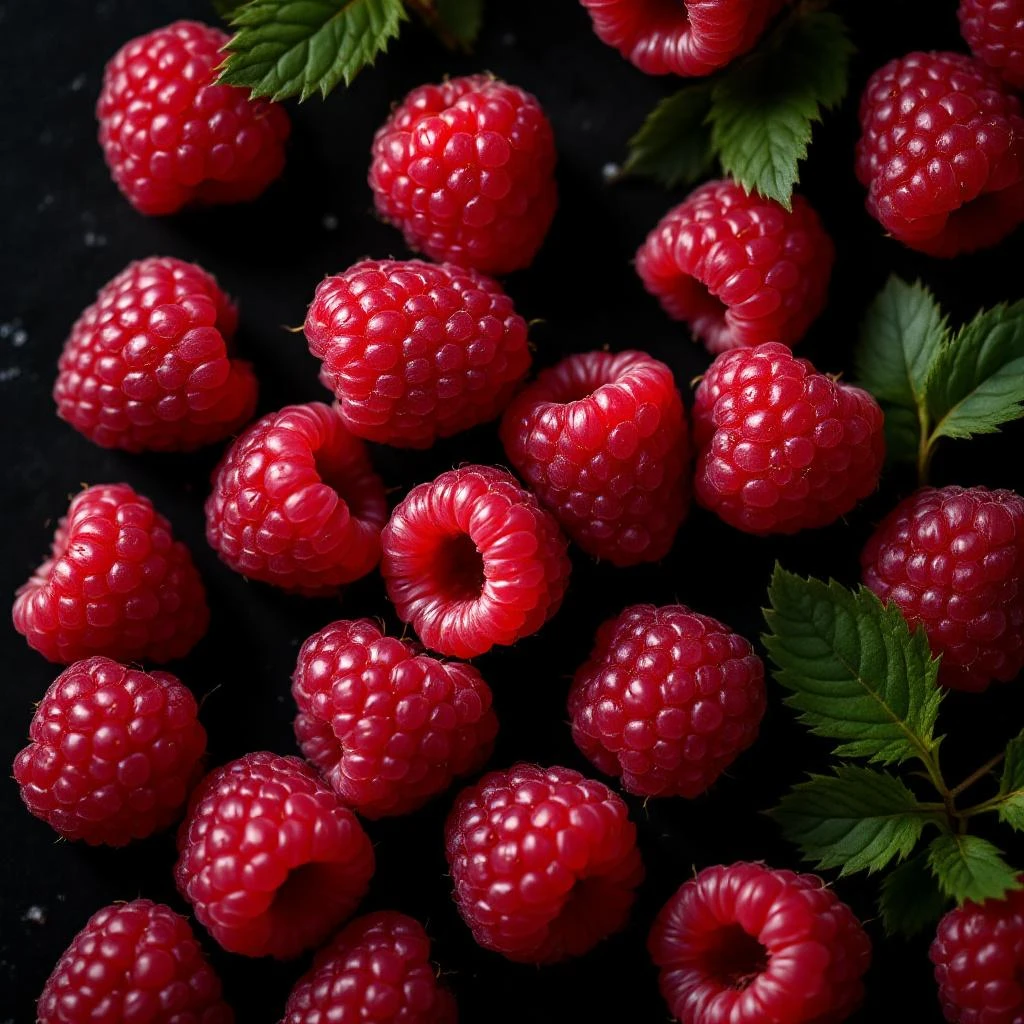
Red Berries
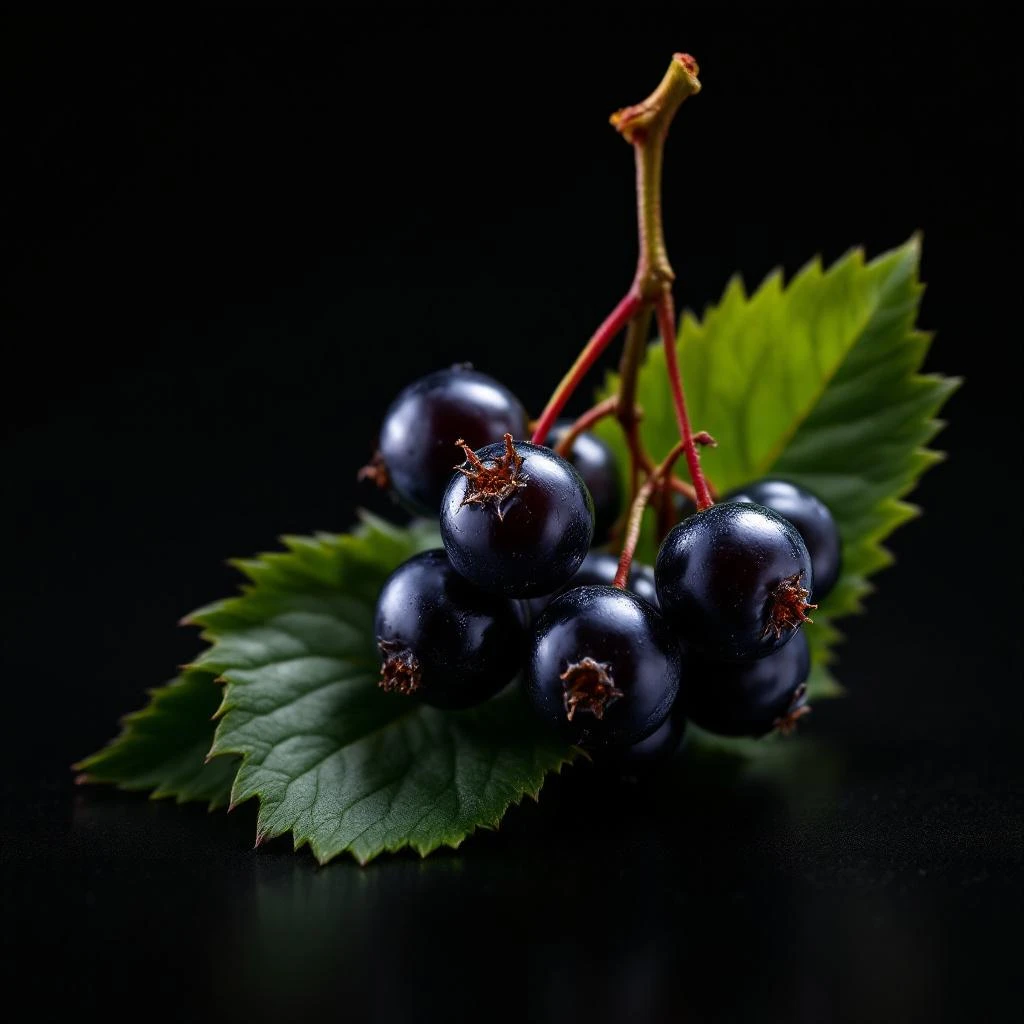
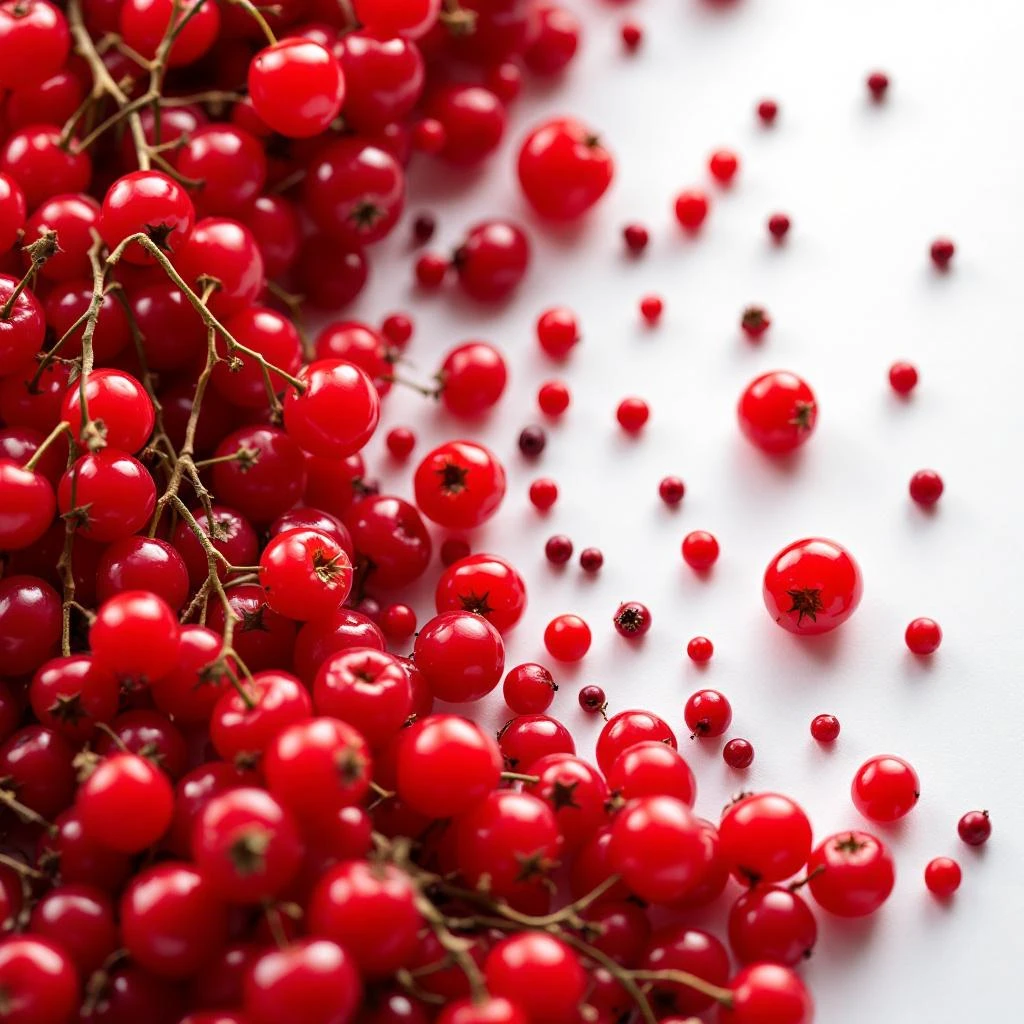
Red berries bring an exuberant juiciness to fragrance compositions, capturing the bright tartness of raspberries, currants, and wild strawberries in a single accord.
Character
How it smells
Bright, tart, irresistibly juicy
Raspberry ketone sat isolated since 1880 but waited until the 1980s for affordable synthesis to enter perfumery.









Origin
France
Before 19th-century organic synthesis, perfumers worked only with botanicals that could survive distillation or pressing. Fresh fruit remained inaccessible.
The breakthrough came in the 1980s when affordable synthesis of raspberry ketone made convincing red fruit notes possible. Guerlain's Chamade (1969) had already previewed green cherry and wild strawberry, but genuine red berry accords only arrived commercially in the 1990s.
The fruity-floral movement swept through perfumery, establishing red berries as a modern classic that persists in fine fragrance today. By the 2000s, red-berry accords had become a fruity-floral staple, layered with rose and patchouli in countless mainstream feminine launches that defined the decade.
Wears it best
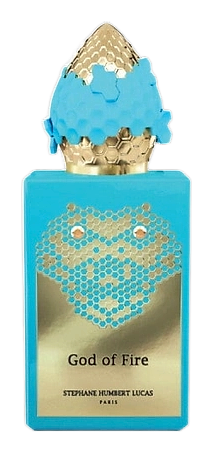
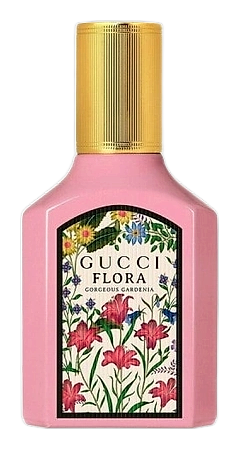
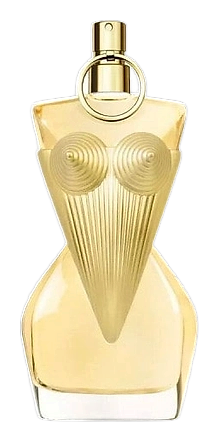
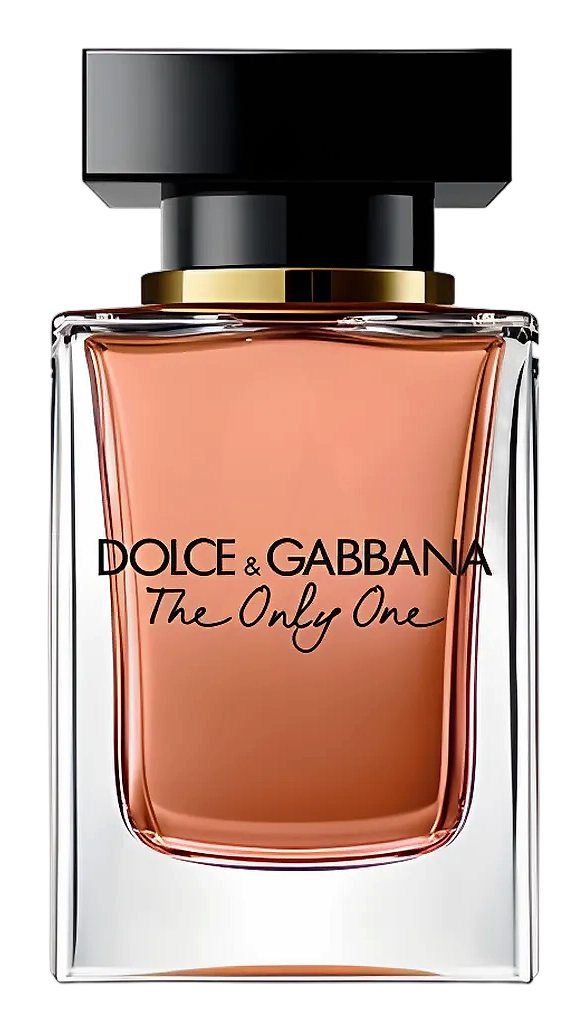
Fragrances featuring Red Berries






Brands
Brands known for Red Berries
Good to know
Questions, answered
The essentials on Red Berries in perfumery: how it smells, where it comes from, and how it behaves on skin.
How do perfumers actually capture red berry notes?
Red berry accords combine naturals with synthetics. Blackcurrant absolute from French buds provides authentic depth via solvent extraction. Aromachemicals like raspberry ketone and ethyl maltol build the juicy sweetness. No single molecule replicates red berries entirely, so perfumers layer compounds to achieve the full sensory profile.
Are red berries a natural or synthetic ingredient?
Both. Natural extracts like blackcurrant absolute exist, but the majority of red berry character in perfumery comes from synthesized aromachemicals. Raspberry ketone, isolated in 1880, only became practical for fragrance after commercial synthesis emerged in the 1980s.
Why did authentic red berry notes only appear in perfumery recently?
Genuinely convincing red berry notes required affordable synthesis of specific molecules. Before the 1980s, perfumers lacked the technical means to capture the juicy, sweet-tart character of fresh berries. Organic chemistry breakthroughs made the difference.
What fragrance families pair well with red berries?
Red berries blend naturally with florals, particularly rose and peony, where they add lift and playfulness. They also combine beautifully with woody bases, citrus top notes, and green accords. The most striking pairings balance berry sweetness against cooler or deeper supporting notes.
What distinguishes red berries from other fruit notes in perfumery?
Red berries occupy a specific sensory space between citrus brightness and tropical sweetness. They carry tartness without sharpness and juiciness without heaviness. Raspberry, currant, and strawberry each contribute distinct facets, collectively creating an accord that feels simultaneously fresh and warm.
How long do red berry notes last on skin?
Red berry top notes typically dissipate within 15 to 30 minutes, though modern fixatives can extend their presence. The fragrance often evolves into heart and base notes as the initial burst fades, leaving residual sweetness that persists for several hours depending on concentration and skin chemistry.
Can red berries cause allergic reactions?
Some aroma chemicals used for red berry effects, including certain aldehydes and specific synthetics, carry fragrance allergen labeling requirements under IFRA regulations. Perfume houses list regulated allergens on packaging. Those with fragrance sensitivities should review ingredient lists before purchase.
Do red berry notes smell the same across all products?
No. A youthful body mist with synthetics and an artisan perfume with blackcurrant absolute produce noticeably different impressions. Quality, concentration, and surrounding notes all shape the final experience. The same red berry accord can read as playful or sophisticated depending on context.