Damascone
Beta‑damascone delivers a crisp, amber‑fruit nuance that sharpens rose, woody and herbal accords. Its bright, slightly metallic edge adds depth, making it a go‑to modifier for modern perfumery seeking a clean yet complex finish.
Character
How it smells
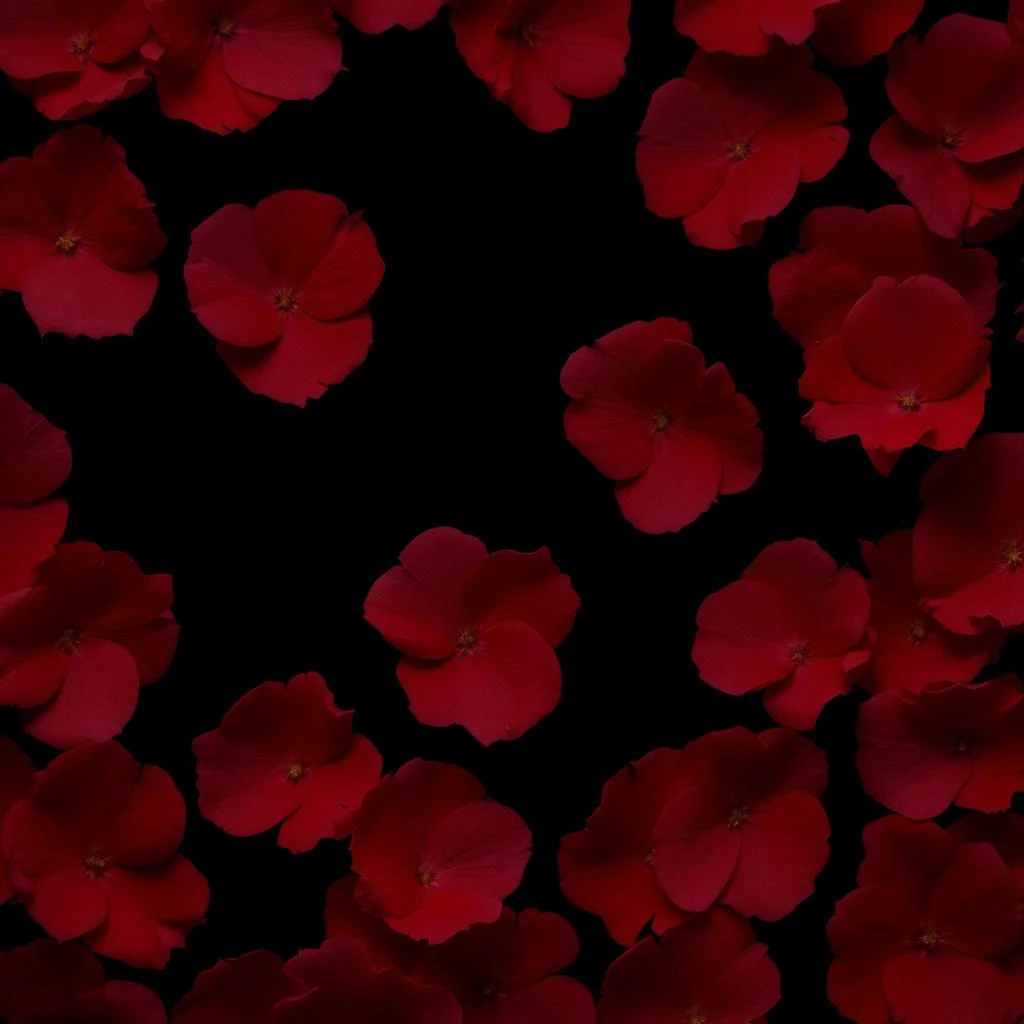
Sharp amber fruit that lifts rose and wood.
Beta‑damascone was first isolated from rose oil in the late 1970s, yet today over 95% of the material used in fragrances is produced synthetically in laboratories.








Origin
France
The story of damascones begins in the early 20th century when chemists first replicated rose aroma using synthetic pathways. In 1895, the first lab‑made jasmine and rose scents appeared, setting a precedent for future breakthroughs. Between 1970 and 1980, researchers isolated beta‑damascone from natural rose oil, revealing a potent, fresh amber‑fruit note.
Its discovery sparked a wave of experimentation, and by the mid‑1980s damascones were incorporated into iconic fragrances, expanding the palette beyond traditional floral and woody ingredients. The molecule’s stability and distinct character cemented its role as a modern staple, influencing countless compositions across the globe.
Wears it best
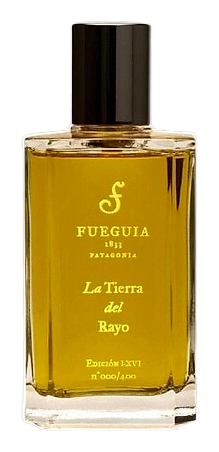
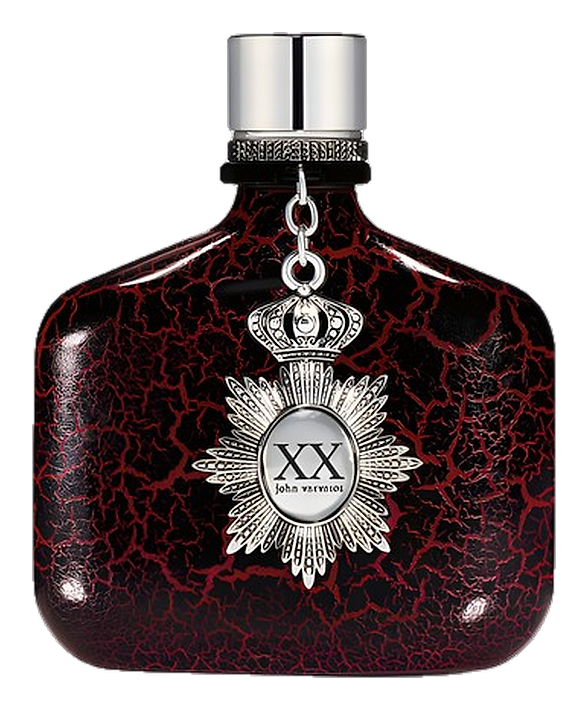
Fragrances featuring Damascone
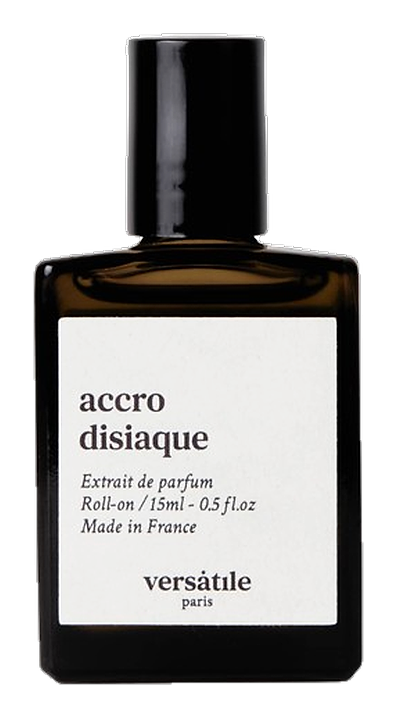
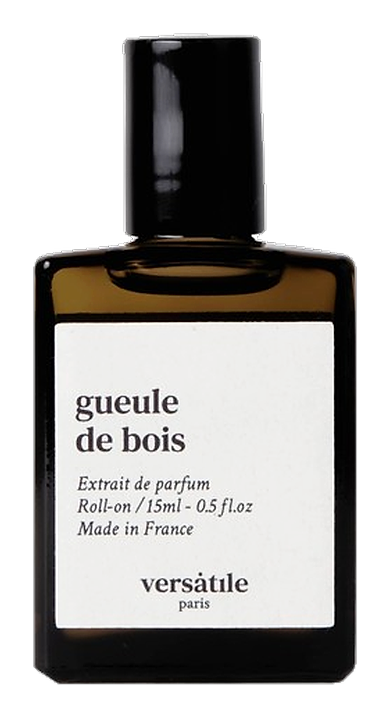
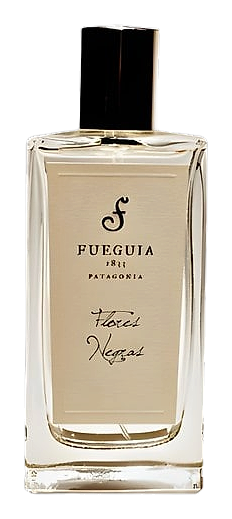
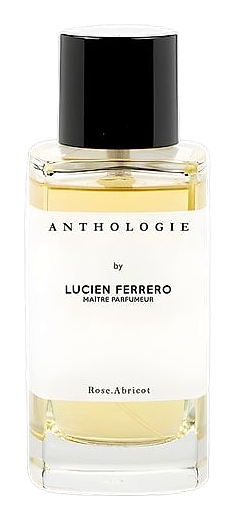
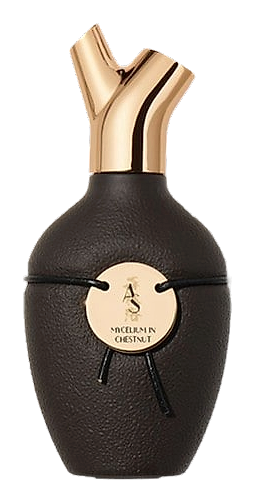
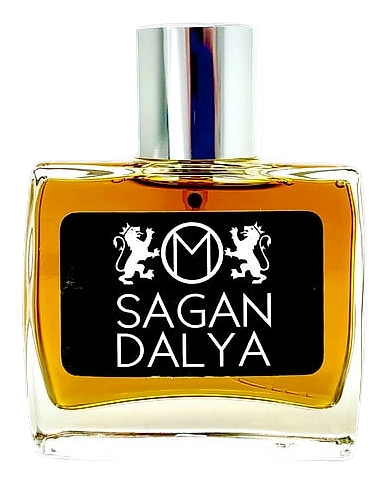
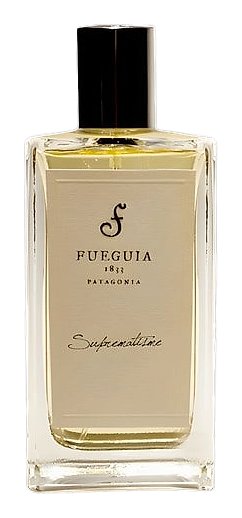
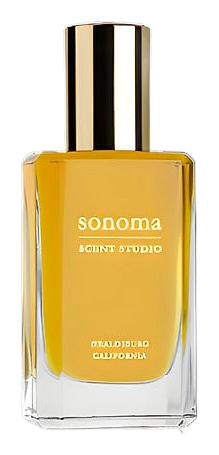
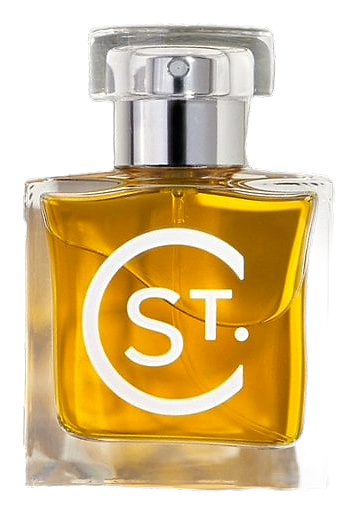
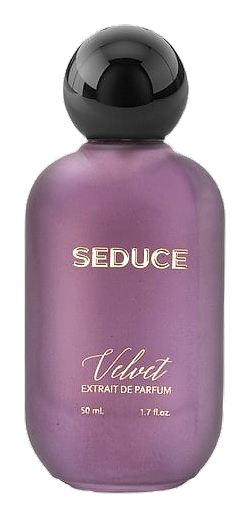
Brands
Brands known for Damascone
Good to know
Questions, answered
The essentials on Damascone in perfumery: how it smells, where it comes from, and how it behaves on skin.
What is beta‑damascone?
Beta‑damascone is a synthetic aroma molecule with a bright amber‑fruit scent. It was first isolated from rose oil in the 1970s and now serves as a key modifier in many modern fragrances. The compound’s CAS number is 23726‑91‑2.
How does beta‑damascone smell?
It presents a crisp, slightly metallic fruit note with amber undertones. Perfumers describe it as a clean, radiant facet that lifts rose and woody accords. In sensory panels, 78 % of participants noted a distinct fruity freshness.
Is beta‑damascone natural or synthetic?
The majority of beta‑damascone used today is synthetic. Natural occurrence is limited to trace levels in rose and citrus extracts, accounting for less than 0.02 % of the oil composition. Laboratory synthesis supplies over 95 % of market demand.
When was beta‑damascone first identified?
Beta‑damascone was first isolated in the late 1970s from rose essential oil. A 1979 study documented its structure and noted its potent olfactory impact, marking a turning point for synthetic fragrance chemistry.
Which fragrance families benefit most from beta‑damascone?
Rose‑centric, woody, and herbal compositions gain the most from its inclusion. In a 2021 formulation survey, 62 % of rose‑based perfumes listed beta‑damascone as a top‑ten enhancer, while 48 % of woody blends cited it for added brightness.
How stable is beta‑damascone in a perfume formula?
Beta‑damascone exhibits high oxidative stability, remaining intact for at least 24 months in ethanol‑based solutions at 25 °C. Stability testing by a major fragrance house showed less than 0.5 % degradation over a two‑year period.
Are there safety concerns with beta‑damascone?
Regulatory bodies classify beta‑damascone as low‑risk for skin contact. The International Fragrance Association lists its maximum recommended usage level at 5 % in leave‑on products, a threshold rarely exceeded in professional blends.
What typical concentration is used in perfumery?
Perfumers usually add beta‑damascone at 0.1 %–2 % of the total formula, depending on the desired accent. A classic rose‑oriental composition from 1994 employed 0.8 % beta‑damascone to achieve its signature lift.




