The Story
Why it exists.
The beginning
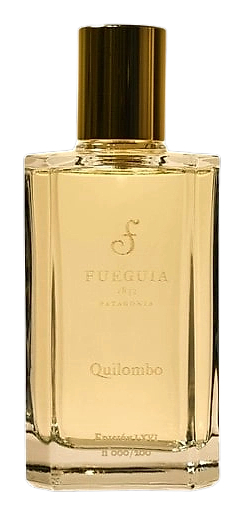
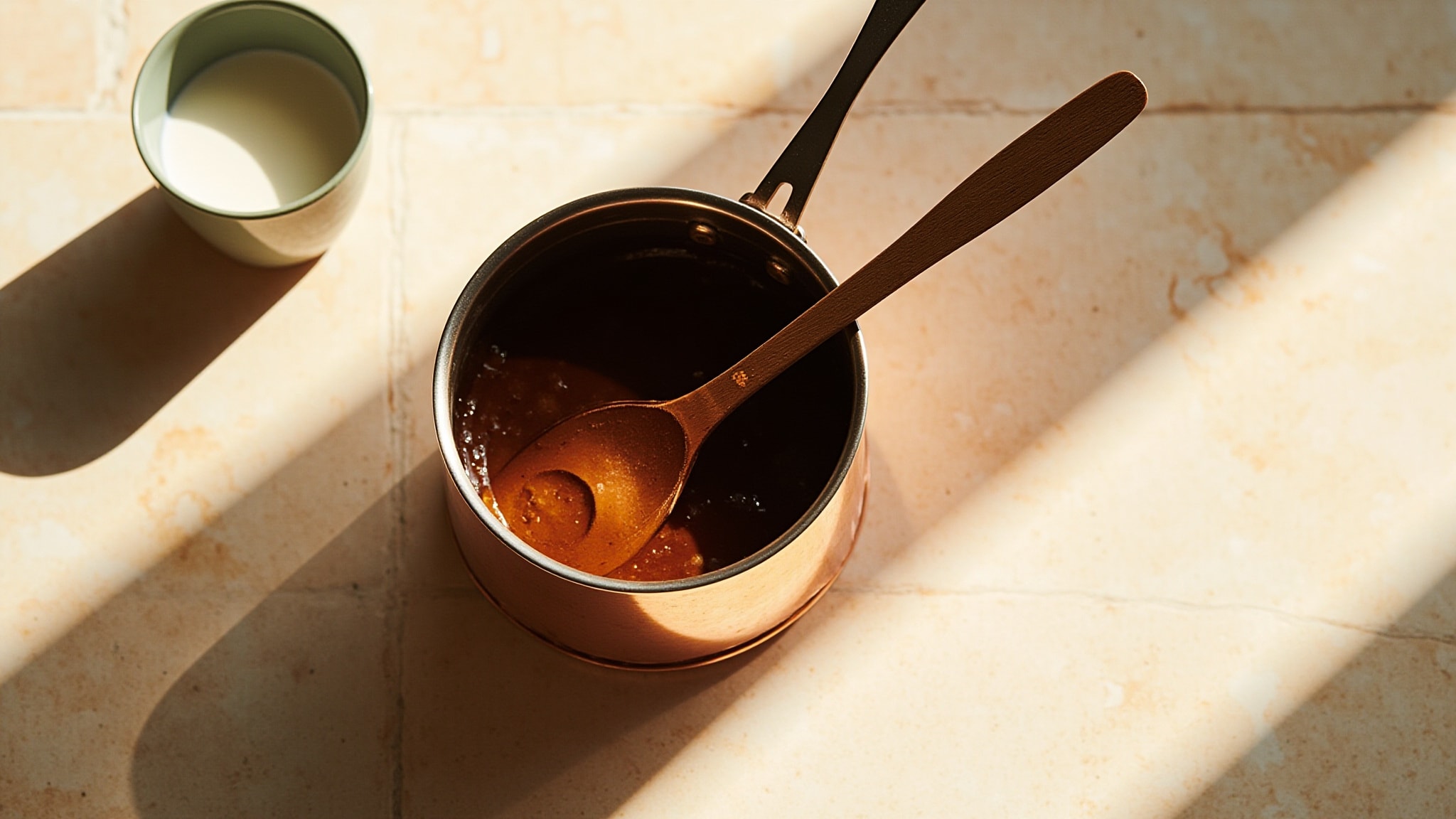
In colonial Brazil, Quilombos were hidden worlds, communities of people who escaped, who built something outside the grid. Protected by rivers and forest, they made their own culture: music, food, freedom. Julian Bedel named this fragrance for that history. Not nostalgia, a tribute to the stubbornness of creation under pressure. The ingredients trace that lineage: milk and cane sugar are agricultural, elemental, the raw material of sustenance. Caramel and vanilla are what happens when you take your time, when fire transforms simple things into something that carries.
What makes Quilombo work is the burn. This one lets it go further, into dulce de leche territory, where sugar and heat conspire to darken the sweetness. The Mexican vanilla carries that same intensity: aromatic rather than confectionery, with a smokiness that gives depth. It's the difference between vanilla flavoring and vanilla that remembers it grew in a pod. The cane sugar base isn't a footnote, it's the proof. What lingers is exactly what was promised: sugar, close to the skin, intimate rather than announced.
The evolution
The opening is warm milk, not cold, not creamy in the way butter is creamy. Warm milk, the kind that fogs a mirror. For a while, that's the whole story. Then the caramel arrives, and it doesn't behave. This isn't a polite caramel, it's the one that cooked too long, that developed color and edge. The sweetness deepens, the milk becomes something richer, and the vanilla starts to explore its smoky side. The aromatic vanilla has taken over, warm without being heavy, sweet without being confectionery. The burn is still there, a thread of something slightly smoky, slightly bitter, running through the sweetness like a counter-melody. The drydown is sugar. Not syrup, not confection, raw cane sugar, the kind that clings to skin and stays close. Intimate sillage, the kind of fragrance that someone might notice when they're standing beside you, not across the room.
Cultural impact
Quilombo occupies an unusual position: a lactonic fragrance with a specific dulce de leche interpretation rooted in culinary tradition. The sweetness here isn't generic, it's grounded in something recognizable and particular. Wearers either find it revelatory, finally a sweet fragrance with edge, or overwhelming. That range of response is the mark of something with actual character. It's the kind of fragrance people discuss because it has something to discuss.