Milk
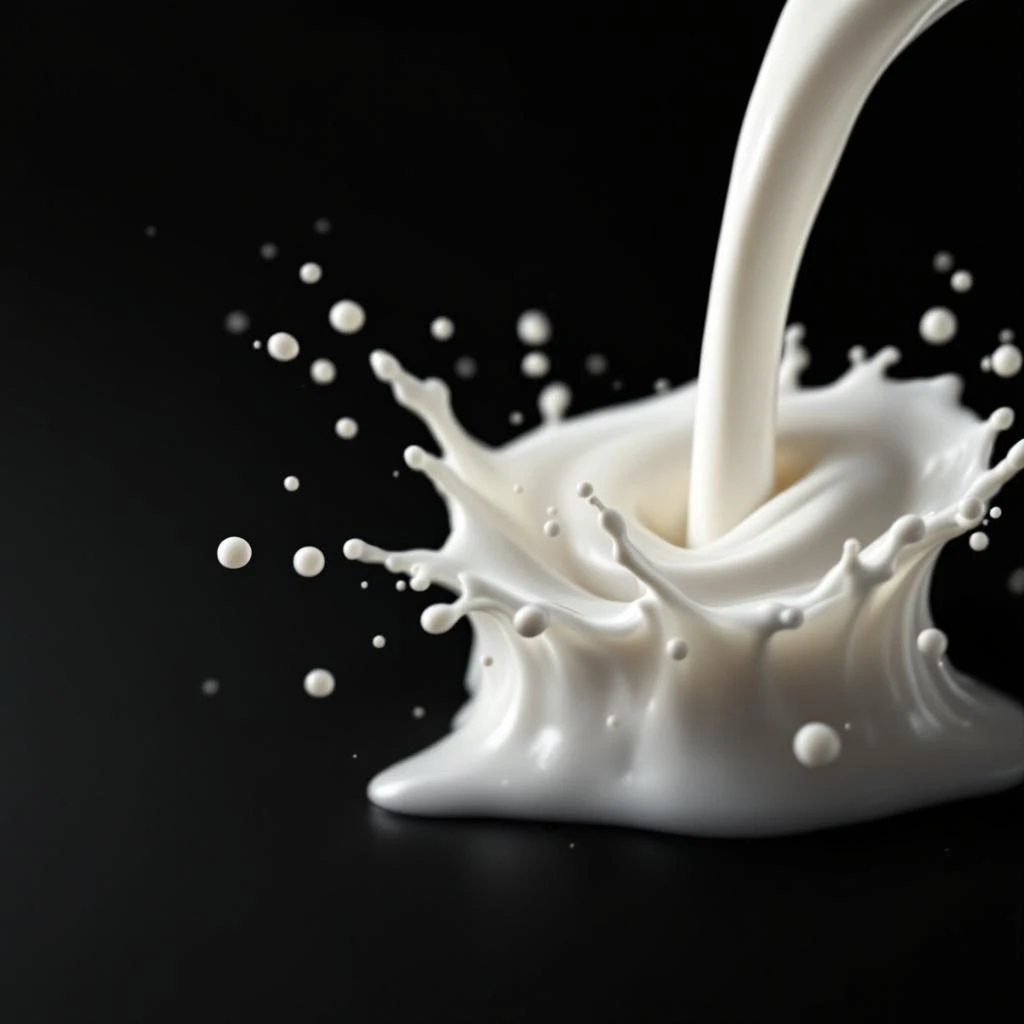
Milk in perfumery is not extracted from dairy but recreated through lactones, a family of aroma molecules that deliver creamy, velvety textures without sweetness. It adds skin-like warmth and intimate diffusion to compositions, creating the sensation of steamed milk, coconut cream, or soft cashmere against the body. Modern perfumers use milk notes to build close-to-skin scents that feel comforting and quietly luxurious.
Character
How it smells
The creamy whisper that turned texture into fragrance.
The 1667 Treaty of Breda saw the Dutch trade Manhattan for Run Island, then the world's only nutmeg source. Today, nutmeg's creamy lactonic warmth appears in modern milk-inspired fragrances like Kilian's Sacred Wood.






Origin
France
Milk has signified nourishment and comfort across human history, but its use in perfumery is surprisingly recent. While ancient civilizations anointed themselves with fragrant oils and resins, milk remained outside the perfumer's palette until the twentieth century, when chemists first isolated and synthesized lactones. The breakthrough came with the identification of gamma-decalactone in peach and coconut, revealing the molecular source of creamy aromas that perfumers had previously approximated through vanilla and sandalwood blends.
The modern milk fragrance trend emerged in the early 2000s as niche perfumers explored gourmand territories beyond traditional vanilla and chocolate. By the mid-2020s, milk-inspired scents had become a defining movement in perfumery, part of what industry observers called the Era of Intimacy, a shift away from loud projection toward skin-close, comforting aromas. This cultural moment aligned with broader lifestyle trends: the rise of oat, almond, and plant-based milks in daily consumption created familiarity with milk as a textural concept rather than merely a flavor. Today, milk notes appear in compositions ranging from minimalist skin scents to complex oriental structures, their creamy presence offering a modern alternative to the heavy sweetness of traditional gourmands.
Wears it best
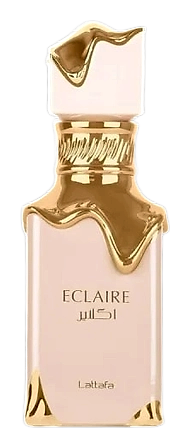
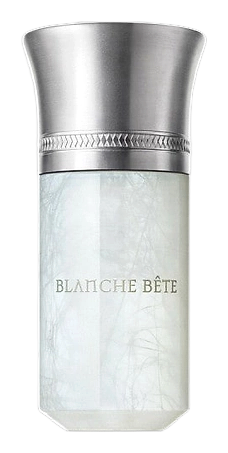
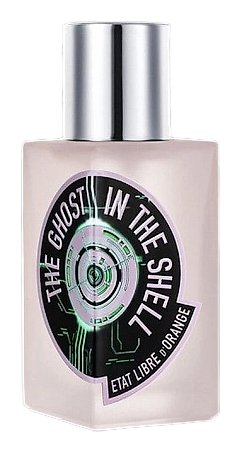
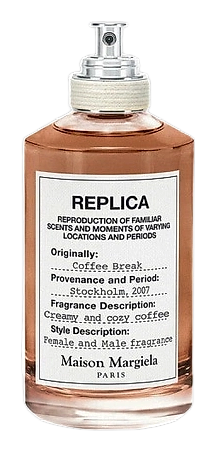
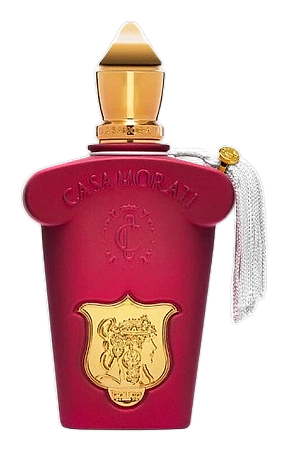
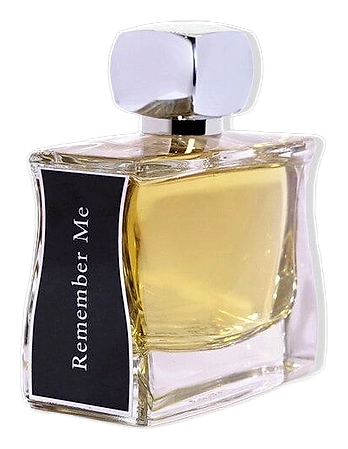
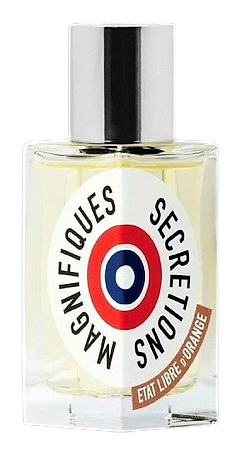
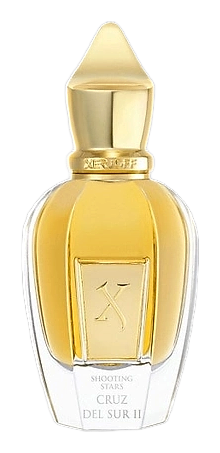
Fragrances featuring Milk



Brands
Brands known for Milk
Good to know
Questions, answered
The essentials on Milk in perfumery: how it smells, where it comes from, and how it behaves on skin.
What does milk smell like in perfume?
Milk in perfume smells creamy, warm, and skin-like rather than literally dairy. It evokes steamed milk, coconut cream, or fresh mozzarella through lactone molecules that create a velvety, enveloping texture. The effect is subtle and intimate, typically experienced as a soft, comforting presence rather than a distinct food aroma.
Why is milk used in perfumery?
Milk adds textural depth and skin-like warmth without the heaviness of traditional gourmands. Perfumers use it to create intimate, close-to-skin compositions that feel comforting and modern. It bridges floral, woody, and sweet accords while providing a smooth, diffusive quality that lasts for hours.
Is milk in perfume natural or synthetic?
Milk notes are reconstructed using synthetic lactones, though these molecules also occur naturally in coconut, peach, and apricot. Real dairy milk cannot be extracted for perfumery, so perfumers blend manufactured lactones like gamma-decalactone and delta-dodecalactone to achieve the creamy effect.
What famous perfumes contain milk notes?
Notable milk fragrances include Kilian's Sacred Wood with its sandalwood-milk accord, Maison Margiela's Replica Bubble Bath, and Diptyque's Eau Rihla. More recent releases like Glossier You Rrose and Phlur's Missing Person incorporate milk lactones for skin-like intimacy and modern warmth.
Is milk a top note, heart note, or base note?
Milk typically functions as a heart or base note due to the molecular weight of lactones, which evaporate slowly and linger on skin. Its creamy warmth emerges after the opening citrus or florals dissipate, then persists for four to eight hours, creating a soft, enveloping drydown.
What notes pair well with milk in perfume?
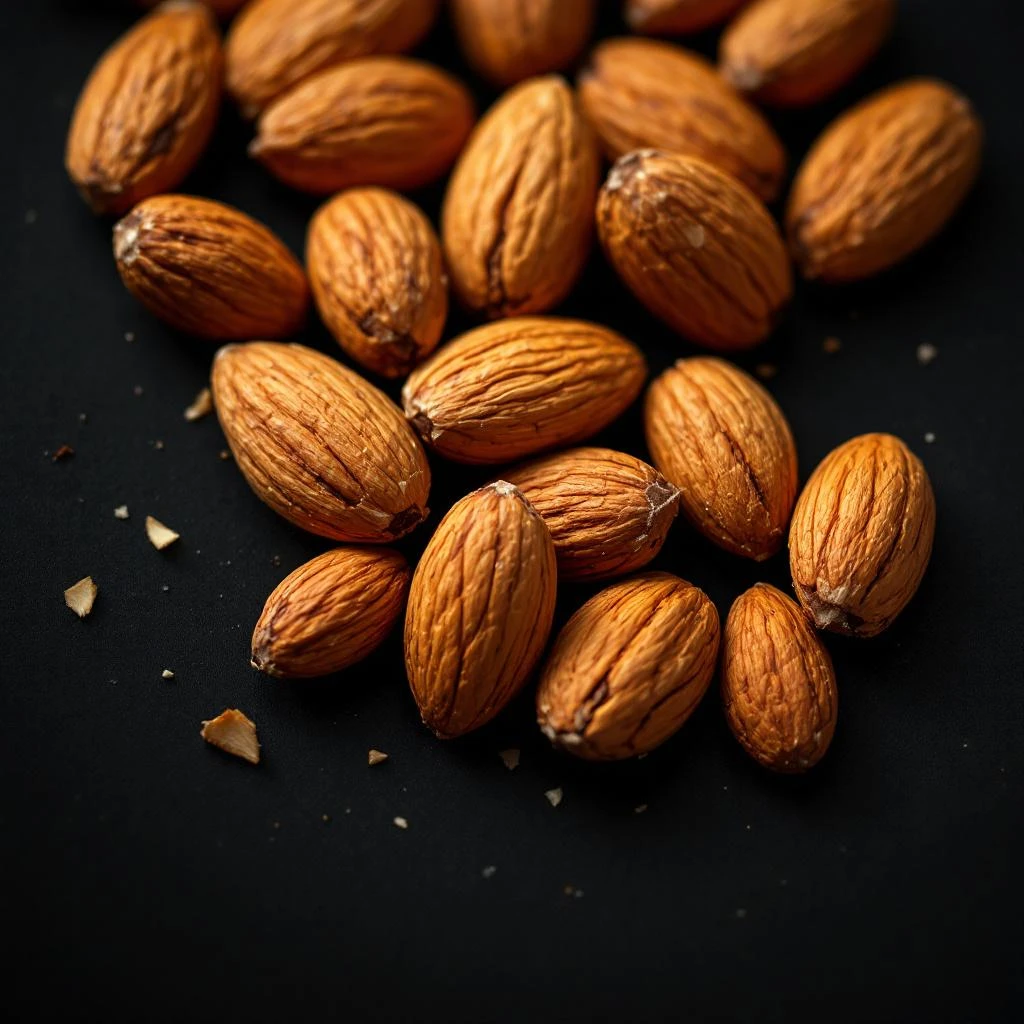
Milk pairs beautifully with sandalwood, vanilla, tonka bean, and white musks for creamy warmth. It also complements rose, osmanthus, and jasmine for lactonic florals, or coconut and almond for gourmand depth. Woods like cedar and cashmeran extend its skin-like quality.
Where does milk fragrance come from?
Milk fragrance is created in perfume laboratories using lactone molecules synthesized in France, Switzerland, and the United States. These aroma chemicals are produced through advanced organic chemistry or biotechnology fermentation, then blended by perfumers into finished compositions at precise concentrations.
Is milk used in men's or women's fragrances?
Milk appears in both men's and women's fragrances, though it gained initial popularity in feminine gourmands. Modern unisex and masculine compositions increasingly incorporate milk notes for their skin-like texture and sophisticated warmth, transcending traditional gender boundaries in contemporary scent design.