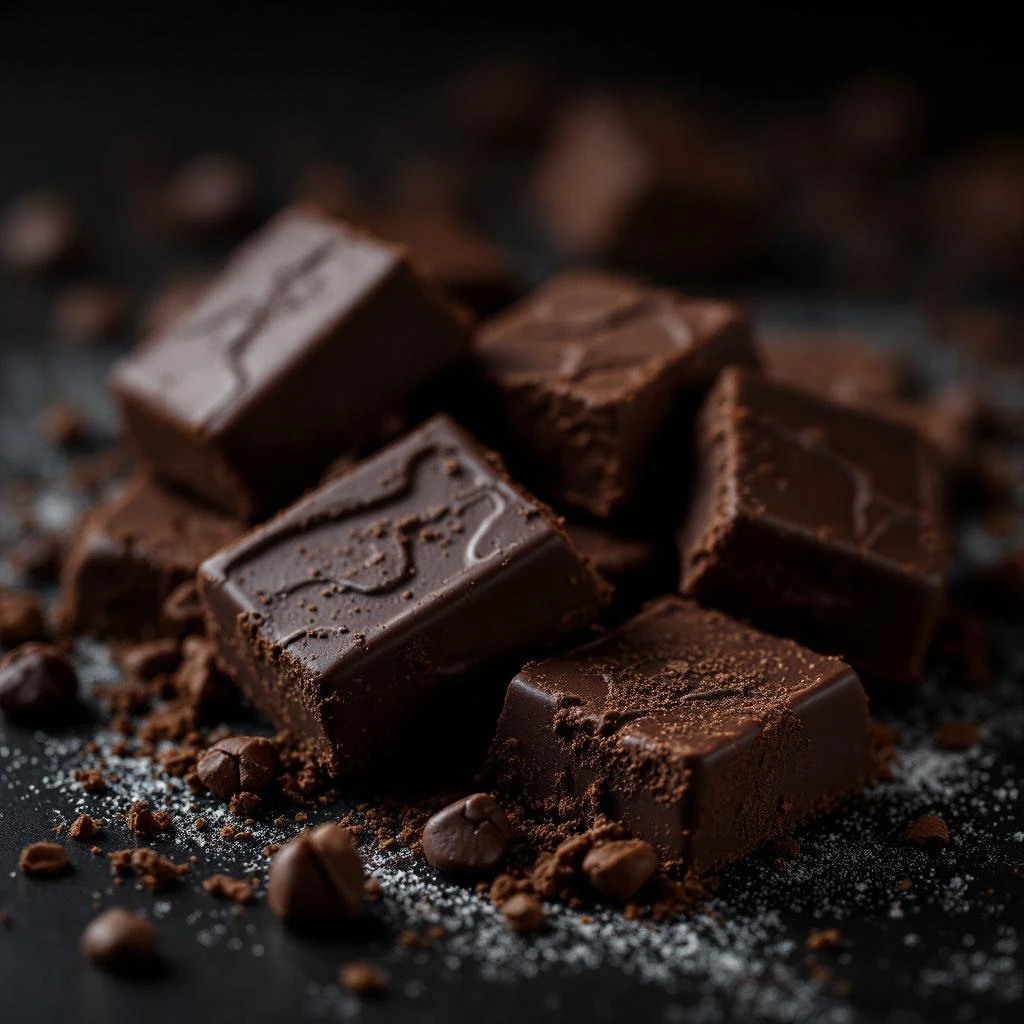
Cane Sugar
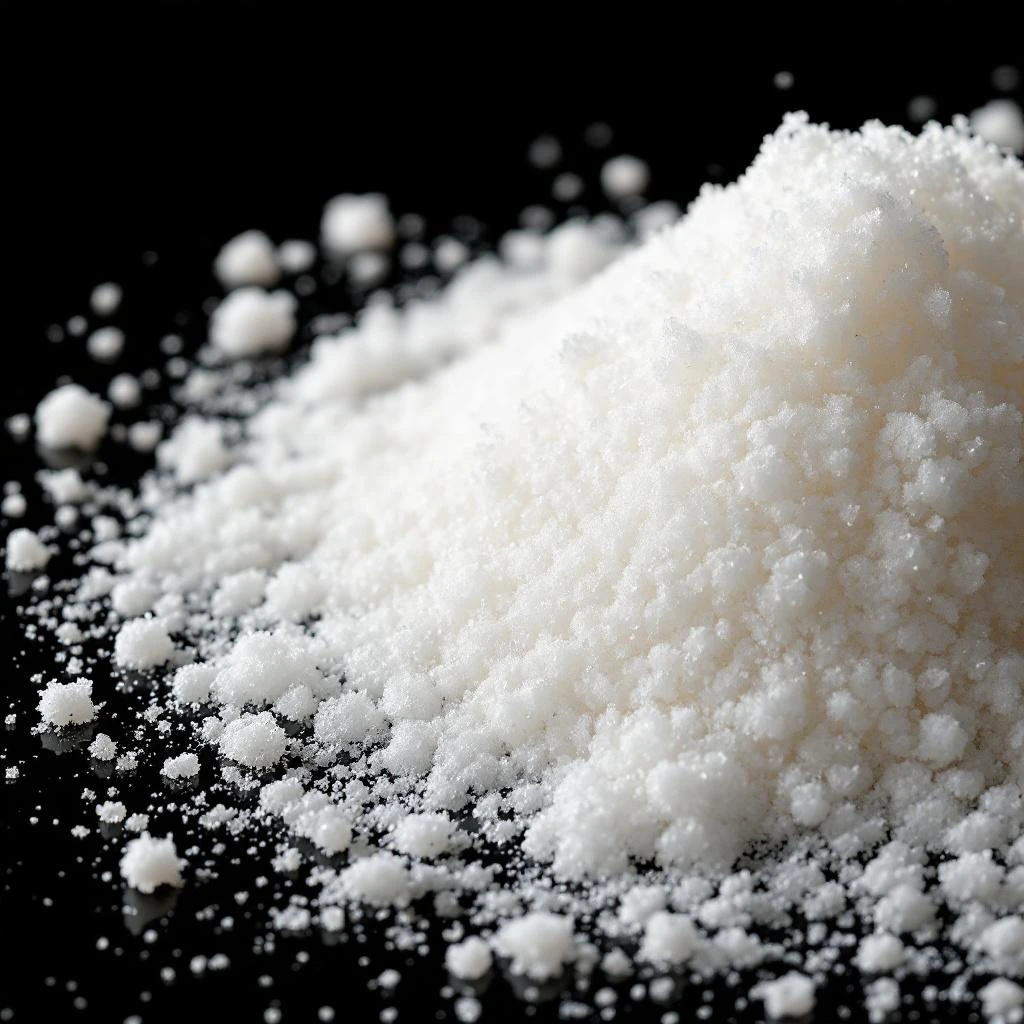
Cane sugar enters perfumery through two paths: as a sweet, edible note in gourmand fragrances, and as the fermented base that carries every drop of scent to your skin. Its dual role makes it one of the industry's most versatile ingredients.
Character
How it smells
Sweet simplicity that powers both fragrance and base.
The Fragrance Foundation awarded Demeter Fragrance Library's Sugar Cane two FiFi Awards in 2001, including Best Fragrance in America.






Origin
India
Sugarcane cultivation traces to New Guinea around 6000 BCE, spreading through maritime trade routes to India and the Pacific. Alexander the Great documented sugarcane in India by 327 BCE, and by around 300 CE, Indian processors had developed the first solid sugar, transforming how the world sweetened food. When Columbus carried cane from the Canary Islands to Santo Domingo in 1492, he ignited the Caribbean sugar economy that would reshape global trade.
By the 18th century, perfumers at the court of Louis XV began dropping fragrance onto sugar crystals for ingestion with wine, linking cane directly to perfumery. Today, sugarcane ethanol remains the industry standard carrier for fragrance worldwide, connecting ancient agricultural history to every spray you apply.
Wears it best
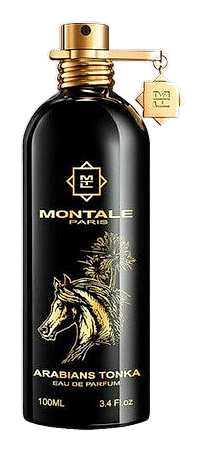
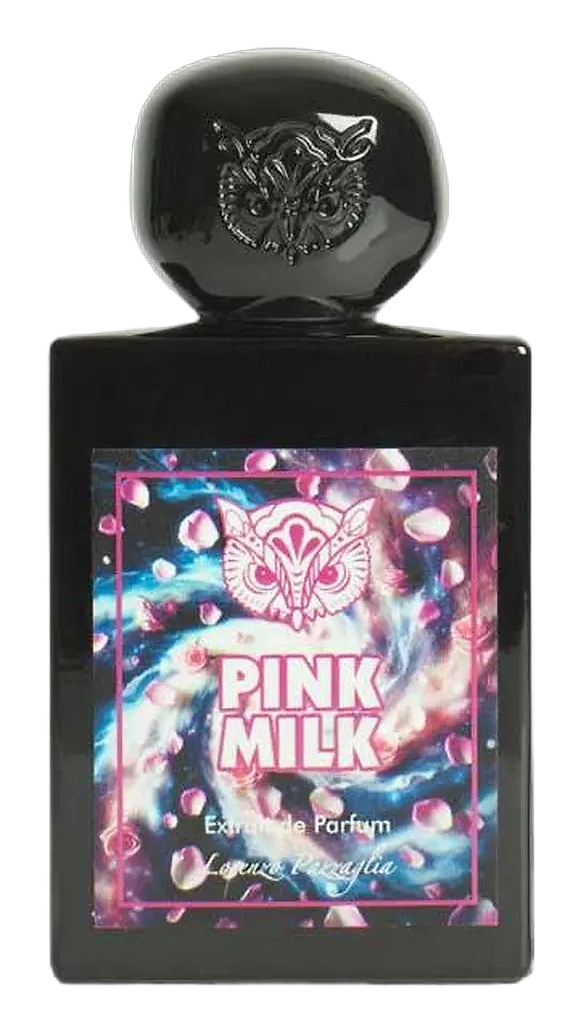
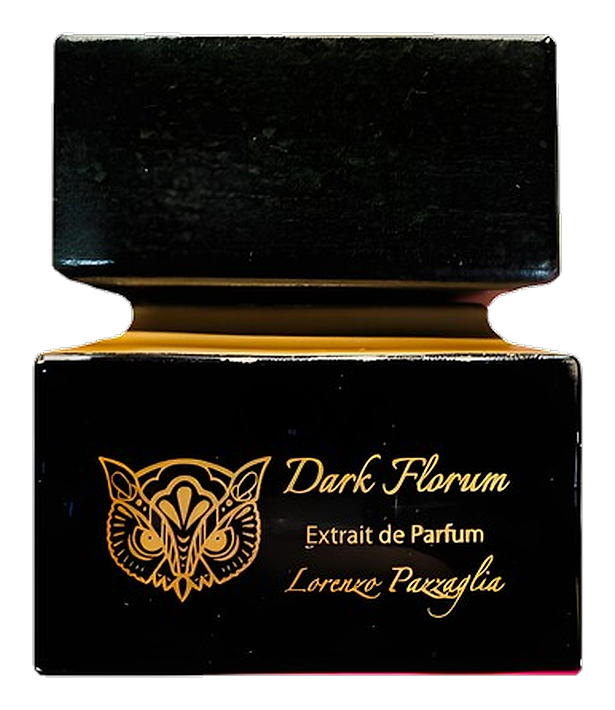
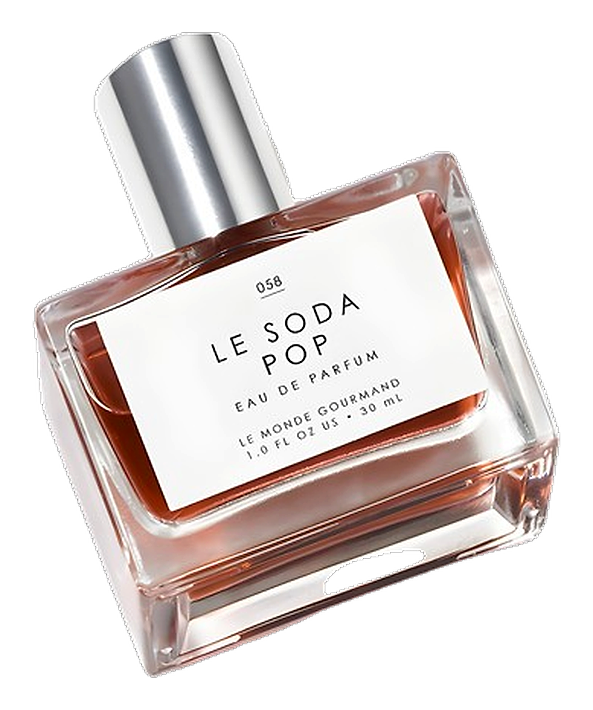
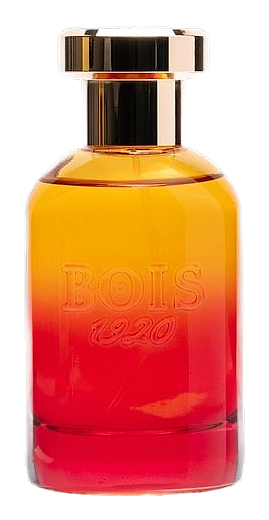
Fragrances featuring Cane Sugar


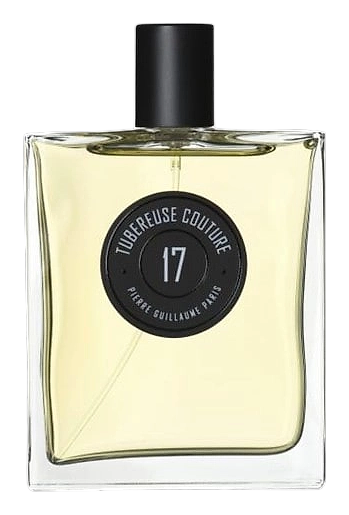
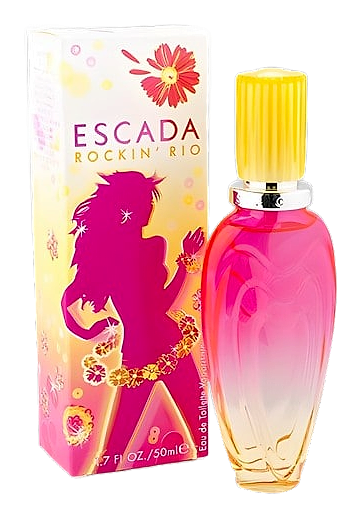
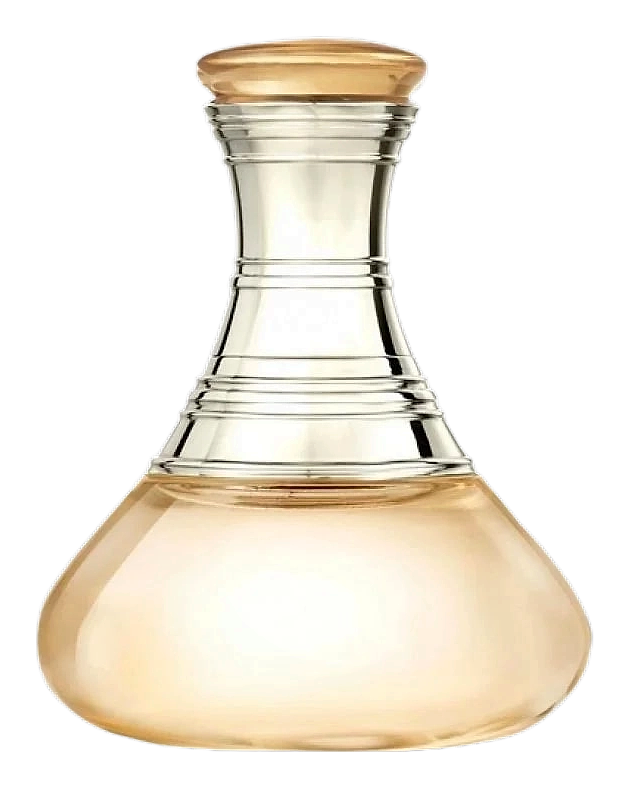
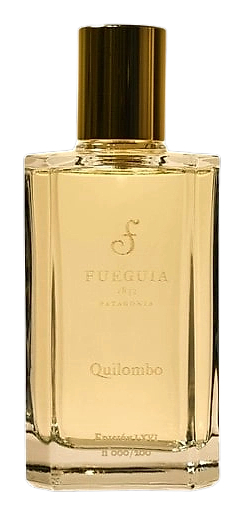
Brands
Brands known for Cane Sugar
Good to know
Questions, answered
The essentials on Cane Sugar in perfumery: how it smells, where it comes from, and how it behaves on skin.
Why is cane sugar significant in fragrance history?
Cane sugar connects perfumery to food and medicine across millennia. In 18th-century France, the court of Louis XV dropped fragrance onto sugar crystals and ingested them with wine, an early form of edible perfumery. Today, cane-based ethanol remains the universal fragrance carrier, linking ancient practices to modern sprays.