
The Story
Why it exists.
The beginning
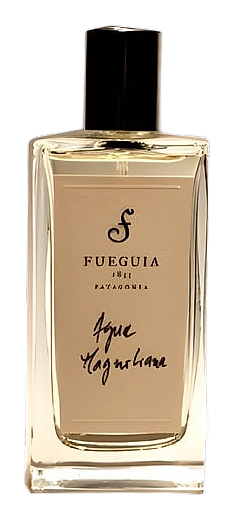
The Linneo collection takes its name from Carl Linnaeus, the 18th-century botanist who attempted to classify the entire natural world with a system of naming. Agua Magnoliana fits that mission precisely: three materials, clearly identified, each doing exactly what it says on the label. Julian Bedel drew inspiration from the magnolia fragantissima and Amazonian magnolia species, creating a fragrance that honors the structure rather than constructing a concept around exploration or adventure. This one keeps things taxonomic: name the flower, honor the structure, let the materials speak. The composition mirrors Linnaeus's scientific method in its disciplined approach. Each ingredient serves a specific function, performing its role without unnecessary embellishment or narrative layering.
Three materials. That simplicity is the point. The Linneo collection operates like a botanical field guide, each entry should be identifiable at a glance, nothing obscured by accord construction or artistic license. Magnolia as top note means the opening reads creamy and almost aquatic, the waxy texture of petals unfurling in humid air. Jasmine in the heart adds a green lift, the living quality that keeps the creaminess from reading as static. Indian sandalwood anchors the base with warmth that stays close rather than projecting. The result feels almost clinical in its clarity, a specimen more than a statement. But the restraint is what makes it interesting. There's nothing to hide behind.
The evolution
The opening arrives with magnolia front and center, waxy, creamy, almost aquatic in the way the petals seem to hold moisture. A brief citrus note flickers at the edges, gone within minutes. Then jasmine takes over the transition zone, adding greenness and a touch of intimacy that lifts the magnolia slightly without competing. By hour three, sandalwood has settled into the drydown, creating warmth that stays close to the skin rather than projecting outward. The sillage remains moderate throughout, this is a fragrance that announces itself to the person standing beside you, not the room you're leaving. The composition moves through distinct phases, each one carefully delineated rather than blended into indistinction. Magnolia dominates the initial act, its waxy petals and creamy texture creating an almost physical sensation of moisture clinging to skin.
Cultural impact
Agua Magnoliana occupies a particular corner of the fragrance world, for those who treat scent as a form of field notes, documentation of the natural world rather than pure aesthetics. The straight composition and clean structure appeal to those who value precision and restraint over complexity. The botanical research angle remains central to its positioning, offering something that functions as documentation rather than pure aesthetic object. Those drawn to this one tend to find the straightforward approach more engaging than crowded note pyramids.
The House
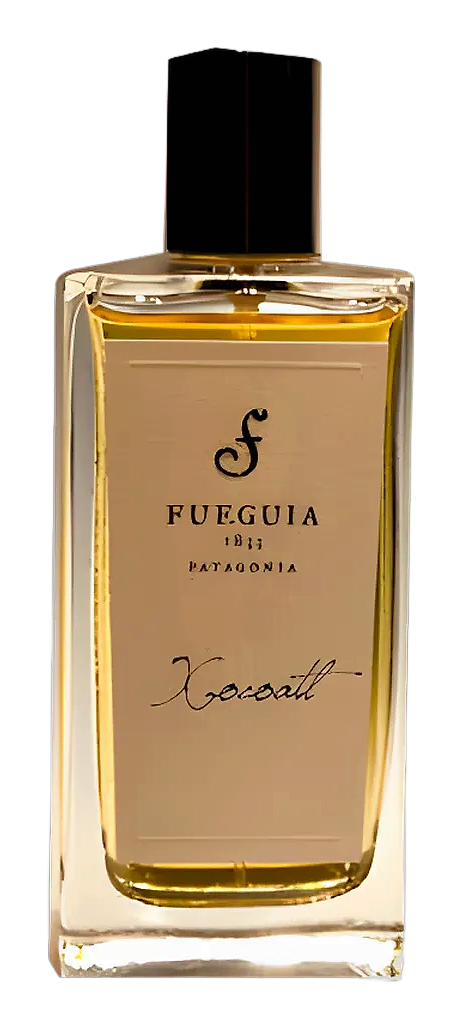
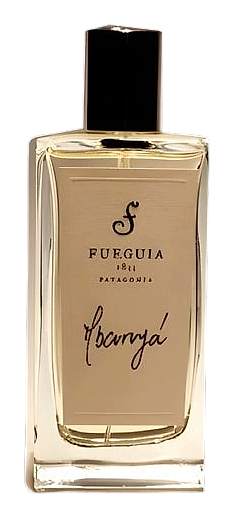
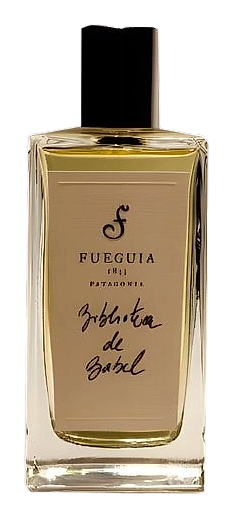
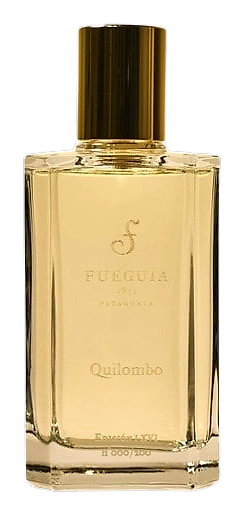
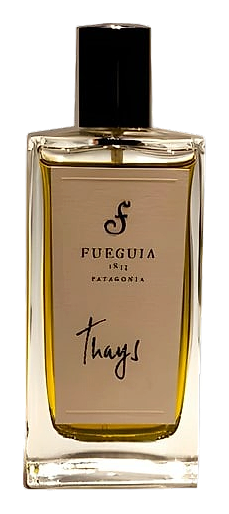
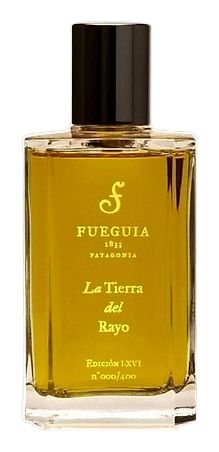
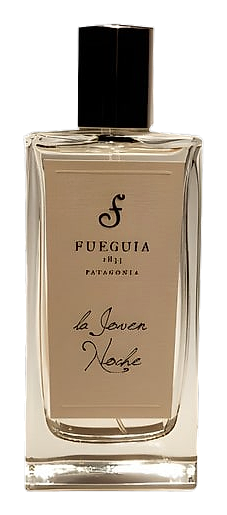
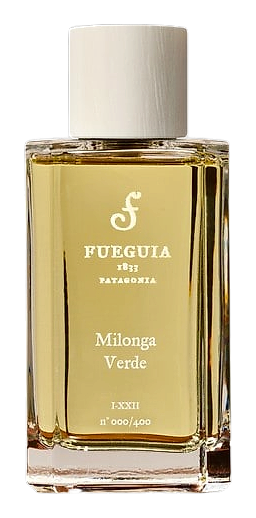
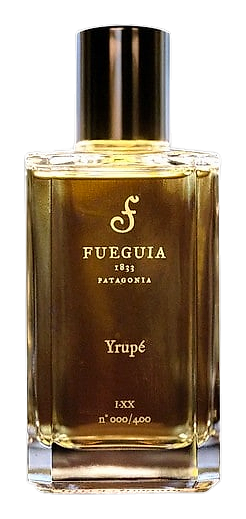
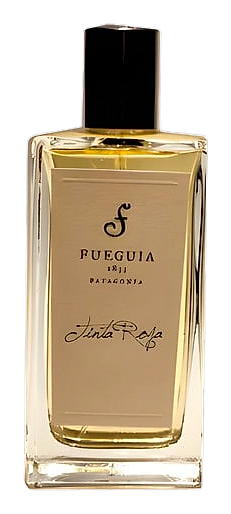
Fueguia 1833Fueguia 1833 is an Argentine fragrance house that creates limited‑edition scents rooted in the botanical heritage of Patagonia. Each perfume draws on medicinal plants harvested from the region’s wild landscapes, and the brand presents its creations as vintage‑style bottles that evoke a sense of travel and memory. The house operates a vertically integrated supply chain, growing, extracting and bottling its own raw materials, which allows it to maintain tight control over quality and environmental impact. Its collections, such as Rosa de los Vientos (2018) and Oud Jungle (2022), have attracted collectors who value authenticity and a narrative that links scent to place.
The Creator
Julian BedelJulian favors a palette that mixes rare South American botanicals with classic European absolutes. He often extracts essential oils from medicinal herbs such as catuaba, calafate and patagonian tea, then anchors them with ambergris, cedar and fine musks.