
The Story
Why it exists.
The beginning
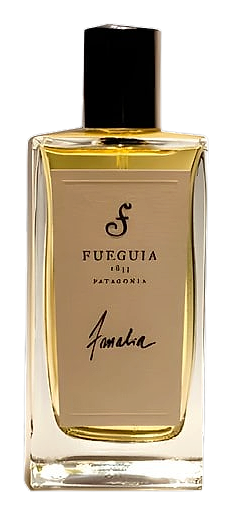
Julian Bedel created the Personajes collection to celebrate the women who shaped his understanding of botanicals, memory, and the land. Amalia is named for one of them, a figure from his life who represented warmth, patience, and the kind of knowledge that can't be taught, only passed down. The 2012 release was built around a single question: what does Argentine warmth smell like, translated into perfume?
Dulce de leche is the answer Bedel landed on, not as a trendy note, but as a cultural artifact. In Argentina, it's made slowly. Milk and sugar reduced over hours until something entirely different emerges. The fragrance translates that patience into scent. Vanilla bridges the gap between the cool jasmine opening and the warm dulce de leche base, but the real trick is how the composition holds its shape over time, never letting the sweetness overtake the structure.
The evolution
The jasmine opens with green, almost tuberose-like facets, a cool opening that commands attention without announcing itself. One reviewer noted the resemblance to Jasmin de Nuit by The Different Company, though Amalia Gourmand wears a more subdued temperament. Within the first hour, the vanilla arrives heavy and creamy, pulling the composition toward something richer, almost overripe. Then the dulce de leche anchors everything. Not loud. Just present. Warm, close, and intimate, the kind of presence that lingers in a room after you've left.
Cultural impact
Amalia Gourmand sits in an interesting position within the niche landscape, a 2012 release that predates the wave of artisanal Argentinian and Latin American fragrance houses that have emerged since. It offers something the mainstream gourmand market often avoids: restraint. The dulce de leche note, while deeply specific and culturally rooted, avoids the cartoonish sweetness that can limit a fragrance's wearability. Wearers consistently describe it as the kind of scent that makes people ask what it is, not because it's strange, but because they haven't encountered that particular combination before.
The House
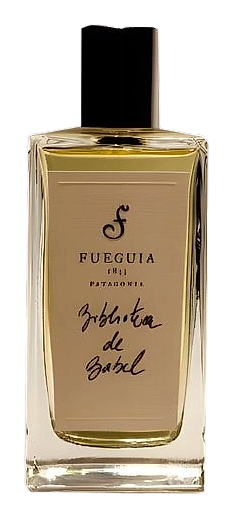
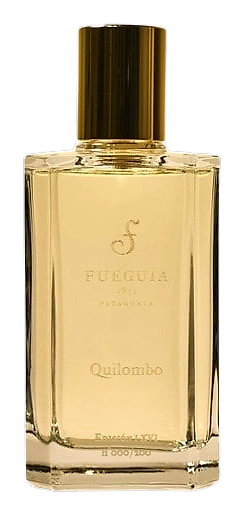
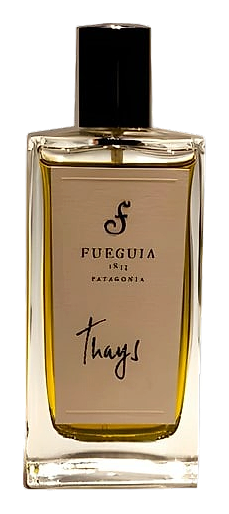
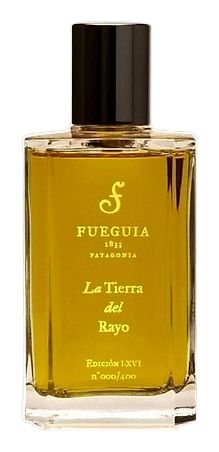
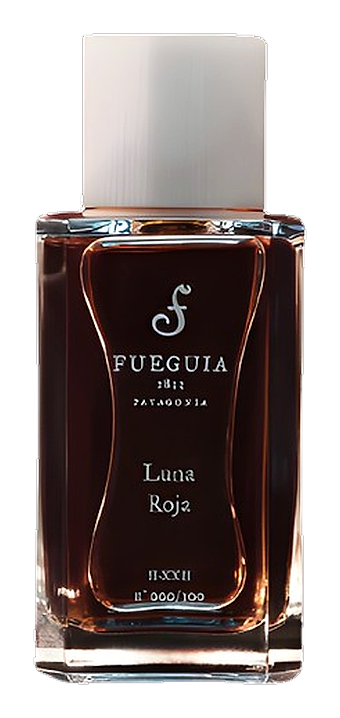
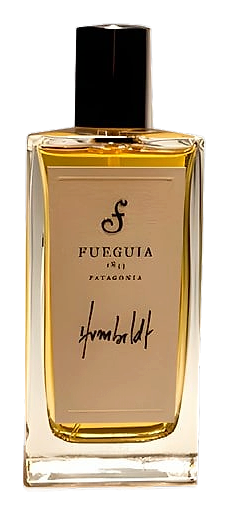
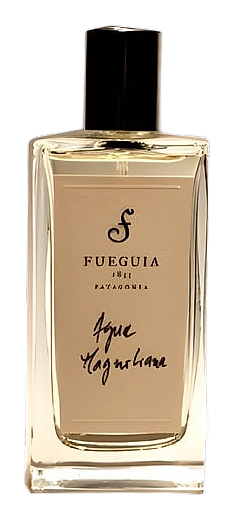
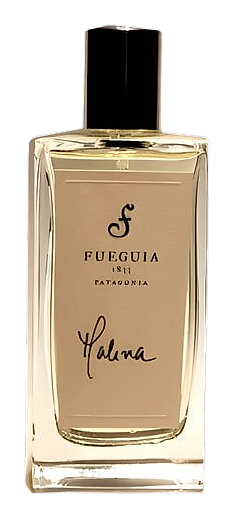
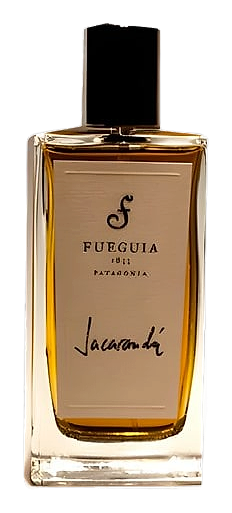
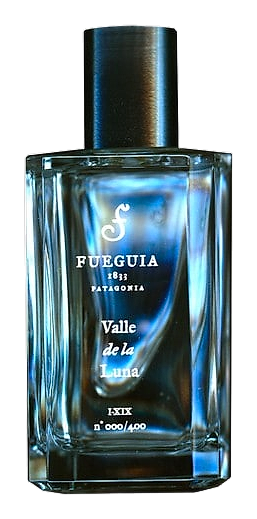
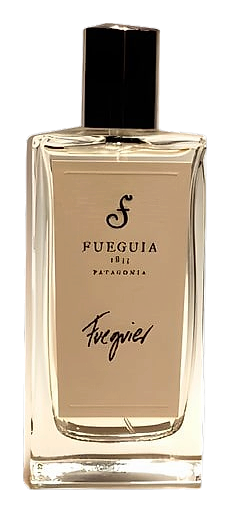
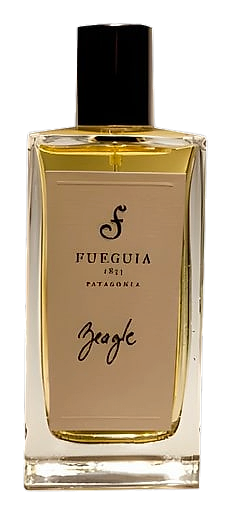
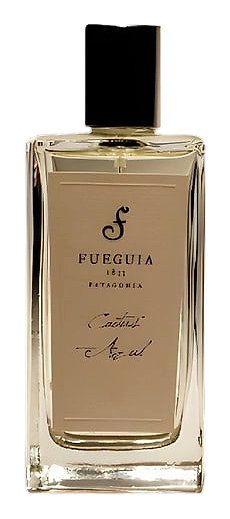
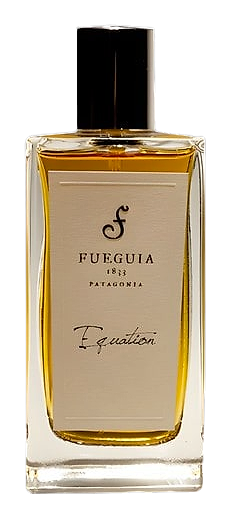
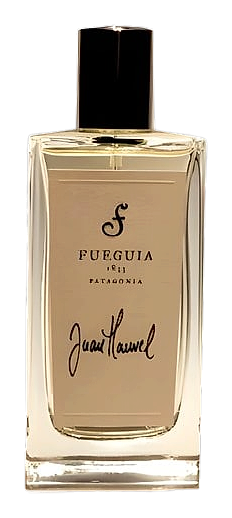
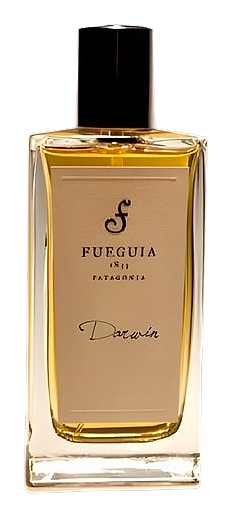
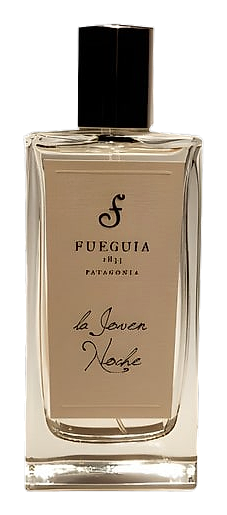
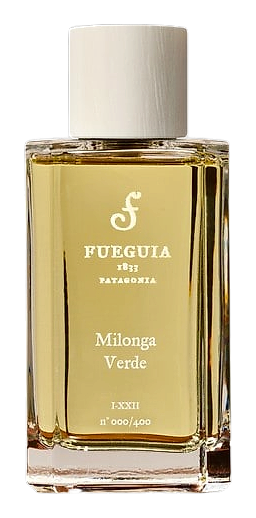
Fueguia 1833Fueguia 1833 is an Argentine fragrance house that creates limited‑edition scents rooted in the botanical heritage of Patagonia. Each perfume draws on medicinal plants harvested from the region’s wild landscapes, and the brand presents its creations as vintage‑style bottles that evoke a sense of travel and memory. The house operates a vertically integrated supply chain, growing, extracting and bottling its own raw materials, which allows it to maintain tight control over quality and environmental impact. Its collections, such as Rosa de los Vientos (2018) and Oud Jungle (2022), have attracted collectors who value authenticity and a narrative that links scent to place.
The Creator
Julian BedelJulian favors a palette that mixes rare South American botanicals with classic European absolutes. He often extracts essential oils from medicinal herbs such as catuaba, calafate and patagonian tea, then anchors them with ambergris, cedar and fine musks.