Dulce de Leche
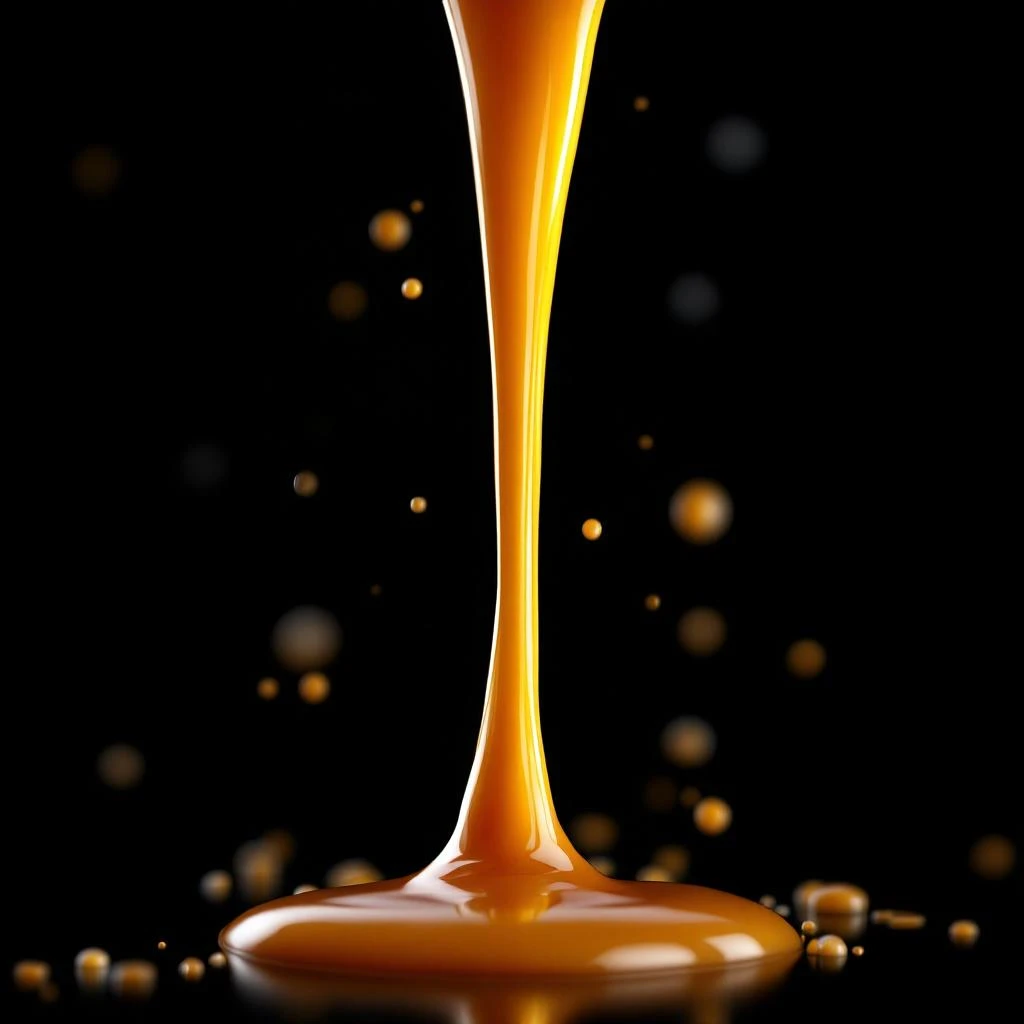
Dulce de leche brings the warm embrace of Latin American confectionery into perfumery. This edible-aqueous gourmand note captures the rich, caramelized essence of slow-cooked milk and sugar, lending comforting depth to fragrance compositions.
Character
How it smells
Caramelized milk and sugar, bottled.
The name translates to 'sweet of milk' in Spanish, and Argentine gauchos traditionally made it by boiling milk in large copper pots over open fires.





Origin
Argentina
Dulce de leche traces its origins to Latin America, with Argentina claiming the most celebrated version of this confection. Historical accounts suggest Spanish colonists in the region first combined local milk with sugar, though the distinct dulce de leche flavor emerged through the slow cooking techniques developed by Argentine gauchos in the 19th century.
These cowboys would simmer milk and sugar for hours in large copper pots over campfires, reducing the mixture into a rich, amber-colored paste. The confection became embedded in Latin American culinary identity, appearing in pastries, ice creams, and as a standalone treat.
When gourmand perfumery gained momentum in the late 20th century, perfumers sought to capture these beloved edible experiences. Dulce de leche entered the fragrance lexicon as a synthetic accord, allowing perfumers worldwide to incorporate its warm, nostalgic character without requiring access to the traditional preparation.
Wears it best
Fragrances featuring Dulce de Leche
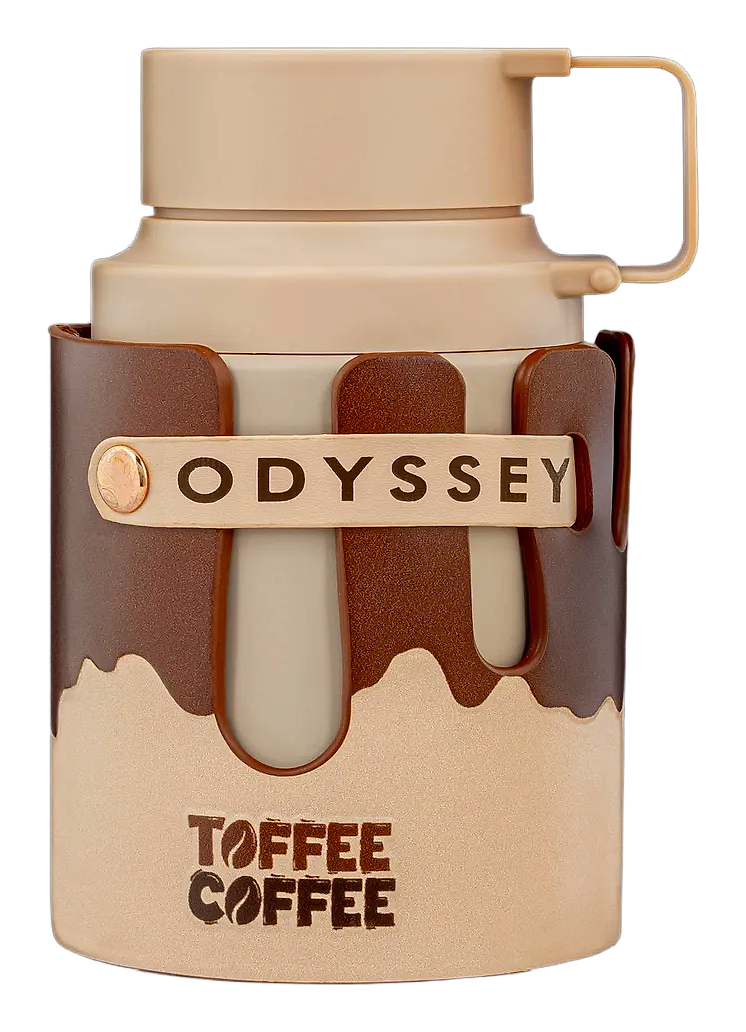
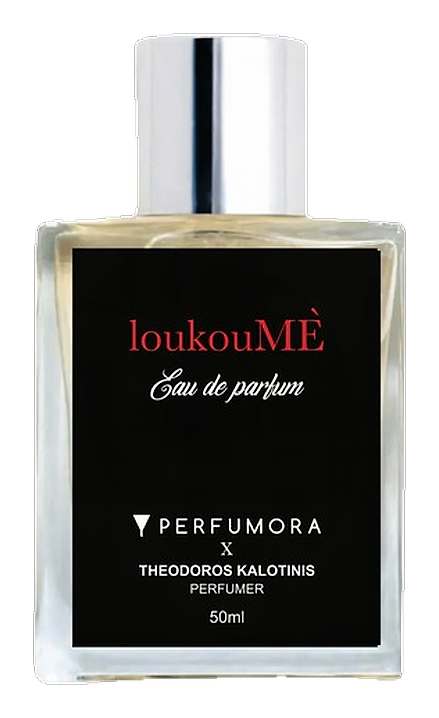
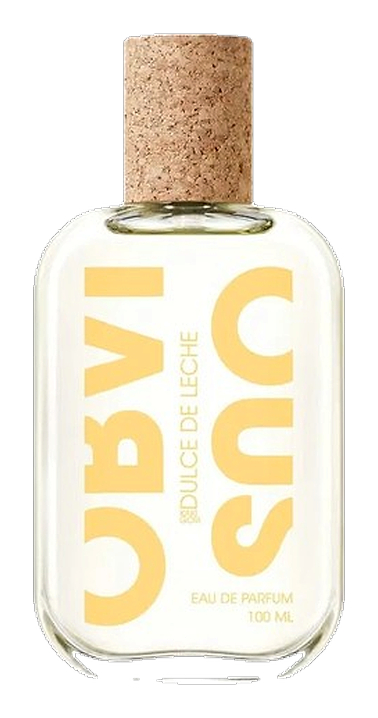
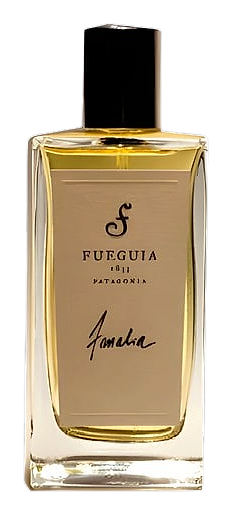
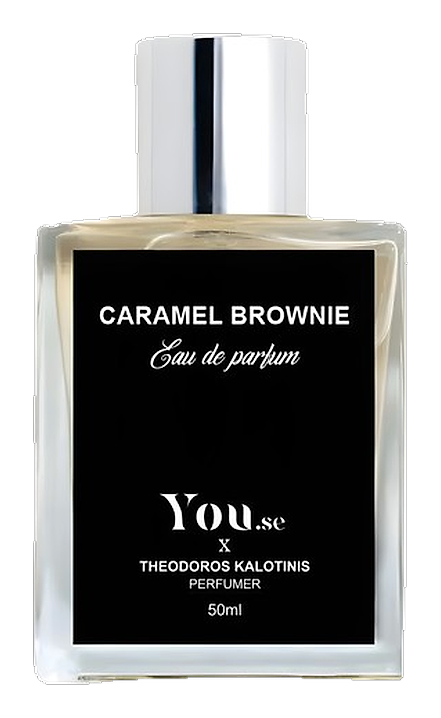
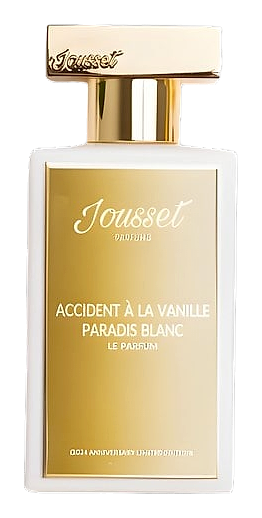
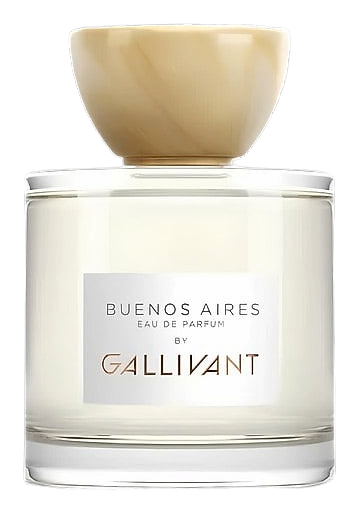
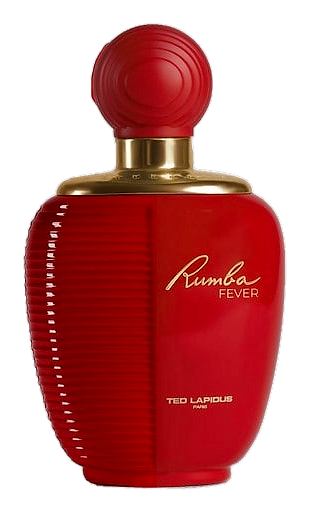
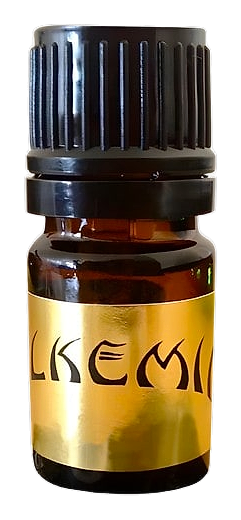
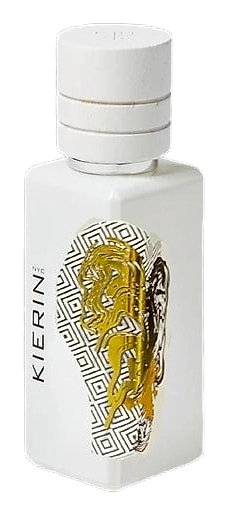
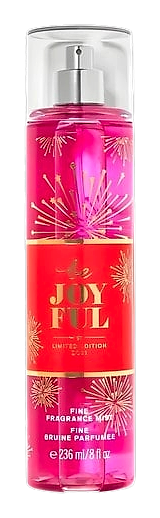
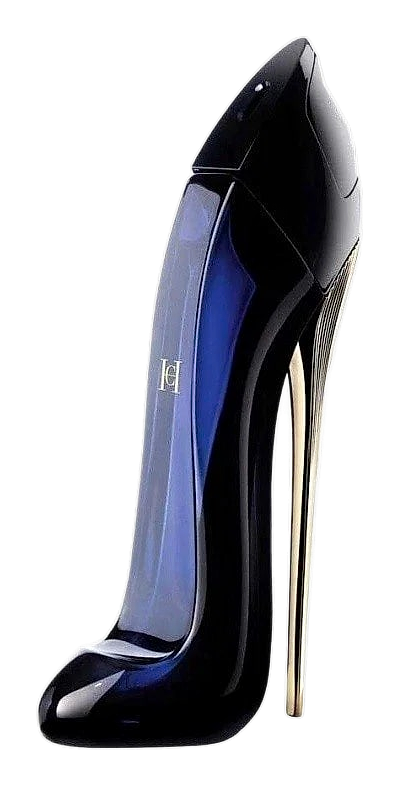
Brands
Brands known for Dulce de Leche
Good to know
Questions, answered
The essentials on Dulce de Leche in perfumery: how it smells, where it comes from, and how it behaves on skin.
What is dulce de leche in perfumery?
Dulce de leche is a synthetic gourmand accord that replicates the aroma of slow-cooked caramelized milk and sugar. Perfumers build this note using molecules like ethyl maltol and vanillin to capture its characteristic sweet, creamy warmth.
Does dulce de leche exist as a natural ingredient?
No, dulce de leche does not occur naturally. It is a synthetically constructed accord in perfumery, crafted by blending specific aromatic molecules to mimic the confection's distinctive caramelized dairy profile.
What molecules create dulce de leche in fragrance?
Ethyl maltol and vanillin serve as the primary building blocks. Ethyl maltol provides sweet, warm cotton-candy notes, while vanillin adds creamy, slightly powdery vanilla depth. These are often layered with maltol for enhanced milkiness.
What does dulce de leche smell like?
It smells like sweetened condensed milk slowly caramelized until golden brown. The accord balances rich caramel notes with creamy dairy undertones, creating an edible, comforting sweetness without actual sugar content.
Which fragrance families use dulce de leche?
Gourmand fragrances most commonly feature this note, particularly oriental and amber compositions. It also appears in warm florals, skin-musk fragrances, and unisex scents seeking a cozy, edible quality.
Is dulce de leche a long-lasting perfume ingredient?
The molecules used in dulce de leche accords, particularly vanillin, contribute moderate to good substantivity. The warmth and sweetness typically remain detectable for 4-6 hours depending on concentration and companion ingredients.
Where does dulce de leche originate from?
As a confection, dulce de leche originated in Argentina during the 19th century. Argentine gauchos developed the traditional preparation by slowly cooking milk and sugar over open fires until caramelized.
Can dulce de leche be combined with other food notes?
It pairs excellently with complementary gourmand notes like tonka bean, benzoin, caramel, and cocoa. It also works well with warm woods and musks, creating rich, enveloping fragrance compositions.