The Story
Why it exists.
The beginning
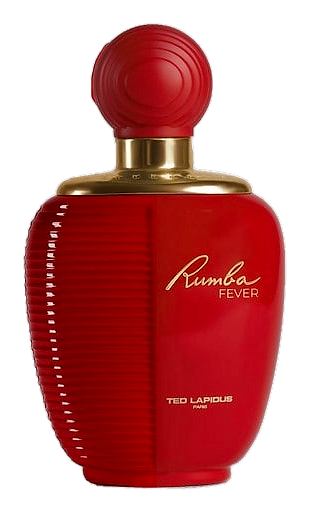
The original Rumba arrived in 1989, an oriental floral by Jean-Claude Ellena for a woman who walked into rooms and made them notice. Ted Lapidus kept that name in the archive for decades. Then TechnicoFlor reached for it in 2022 with a different idea entirely. Rumba Fever trades the oriental depths of its predecessor for something brighter, sweeter, and built for a different kind of movement. The name stayed. The energy behind it changed completely.
Dulce de leche is the tell. That milk-caramel note sits where it shouldn't in a fragrance named after a dance, mid-composition rather than at the base, threading through the heart notes instead of anchoring the drydown. It's an unusual placement that creates something distinctive: a bridge between the tart fruit opening and the sweet vanilla finish. The fragrance doesn't bounce between phases. It flows. The sweetness earns its place by being everywhere at once, not by announcing itself in one loud moment and disappearing.
The evolution
The opening arrives fast, blackcurrant and pear hit tart and bright, the mandarin orange adds a citrus edge that keeps things sharp for the first 20 minutes. Then the florals move in. Night-blooming jasmine takes the lead, not the orange blossom or the rose, both arrive quieter, supporting players rather than headliners. The creaminess builds as the fruity tartness fades. By the time the base notes arrive, the fragrance has already shifted twice. The dulce de leche announces itself in the heart, not the drydown. That's the surprise. Most fragrances with caramel notes save them for the end. Here, the milk-caramel threads through the florals, making the heart smell edible before the vanilla and amber arrive to extend the sweetness into something that stays close for hours. The drydown is warm, sweet, and intimate, moderate sillage that doesn't fill a room but lingers where you can smell it. Lasts 4-6 hours on most skin types.
Cultural impact
Rumba Fever has built a following among those who appreciate sweet, warm fragrances. The community rates it polarizing, the sweetness and projection divide opinion. The original Rumba from 1989 was an oriental floral. Rumba Fever takes a fruit-floral-gourmand direction with its own character.