


















The Heritage
The Story of Ted Lapidus
Ted Lapidus stands as a distinctive figure in French fashion and fragrance, having trained under Christian Dior before establishing his own house in 1951. The brand gained significant cultural traction in the 1960s, attracting a clientele of French celebrities. fragrance operations launched in partnership with l'Oréal in 1970, marking an expansion beyond ready-to-wear into the world of scented goods. The house maintains a portfolio spanning over four decades of fragrance creation, with notable releases including Vu par Ted Lapidus (1975), Pour Homme (1978), and more recent entries such as Oud Blanc (2014) and Orissima Divine (2019). The fragrance division eventually came under the ownership of The Bogart Group, a company recognized for its portfolio of scent brands. The house occupies a particular niche in the fragrance landscape, offering options that range from classic masculine orientals to contemporary interpretations involving oud and other noble materials. Ted Lapidus remains associated with a certain vision of masculine elegance that emerged from the Parisian fashion world of the mid-twentieth century.
Heritage
The story of Ted Lapidus begins with the man himself, born reportedly in 1929 to a family of tailors in France. This background in tailoring shaped his understanding of construction and form from an early age. The young Lapidus secured a formative apprenticeship with Christian Dior, the legendary couturier whose New Look had reshaped post-war fashion. This training provided him with both technical skill and an understanding of the possibilities inherent in considered design. In 1951, at the age of 22, Lapidus launched his own fashion label, stepping into the competitive world of Parisian fashion with ambitions shaped by his Dior experience. The house gradually built its reputation through the 1950s and early 1960s, developing a distinct aesthetic that blended classic tailoring with a modern sensibility. The pivotal period for Ted Lapidus arrived in the 1960s, when the house gained prominence among French celebrities and cultural figures. Brigitte Bardot reportedly wore his designs, a connection that elevated the brand's visibility and cemented its association with a certain French elegance. Fashion operations continued alongside the development of licensing arrangements, with the brand extending into various lifestyle categories. Fragrance production began in earnest through a partnership with l'Oréal in 1970, a collaboration that enabled the house to bring scent creations to a wider audience. The first men's fragrance, released in 1978, arrived as a leather and smoky tobacco composition befitting the era. Over subsequent decades, the house maintained fragrance operations through various owners, with The Bogart Group eventually acquiring the fragrance division. The brand continues to release new fragrances while maintaining its historical catalog, representing a continuity of creative output spanning more than seven decades from the founding.
Craftsmanship
The fragrance production at Ted Lapidus draws on the house's fashion heritage while operating within the broader fragrance industry. The brand creates its scents through established manufacturing arrangements, working with partners equipped to handle production at scale while maintaining consistency. Ingredients typically include a mix of natural and synthetic materials, with natural components sourced through established supply channels for materials like oud, rose, and other botanical ingredients featured across the catalog. The house maintains an interest in quality materials, particularly for signature ingredients that recur across fragrance offerings. Production standards follow industry norms for designer fragrances, with quality control processes ensuring batch consistency. The brand's association with The Bogart Group provides access to shared manufacturing infrastructure and supply chain resources. Scent compositions generally favor projection and longevity, characteristics valued in the masculine fragrance segment the house has historically targeted. Recent releases have explored different material territories, incorporating white oud variations and gold accords that suggest enhanced material quality. The craftsmanship approach balances the brand's assertive heritage with contemporary expectations for balanced, nuanced compositions.
Design Language
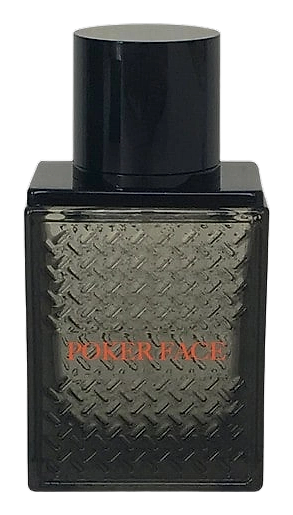
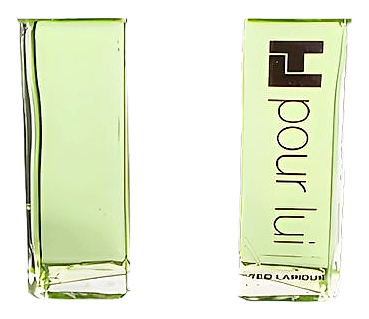
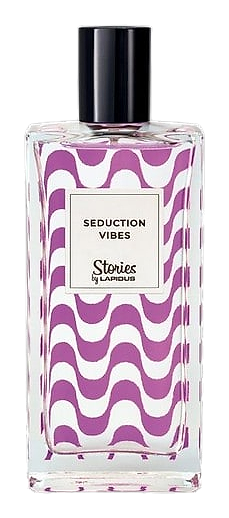
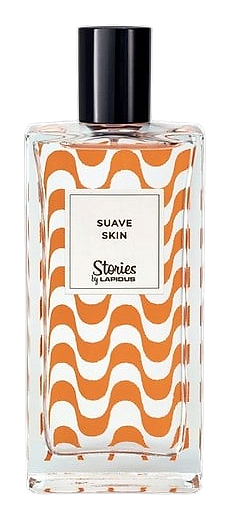
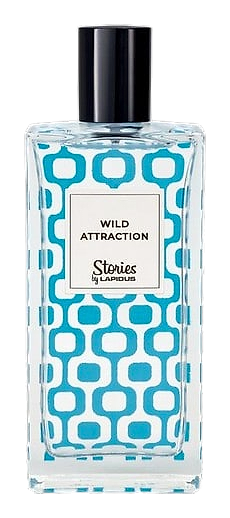
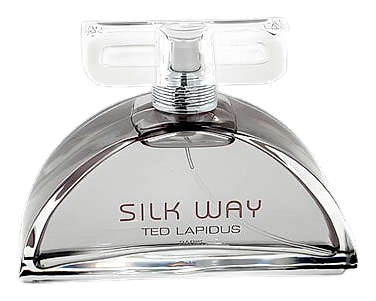
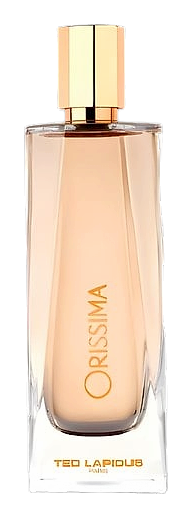
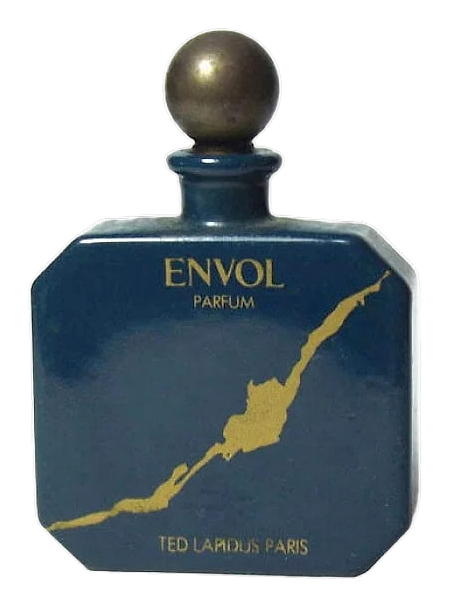
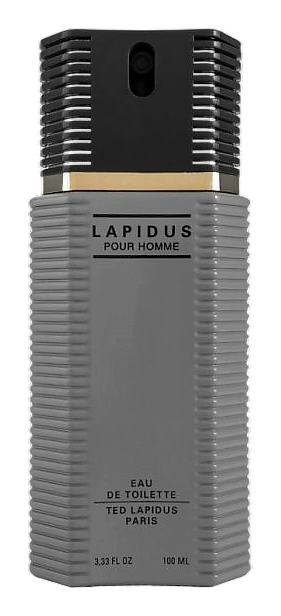
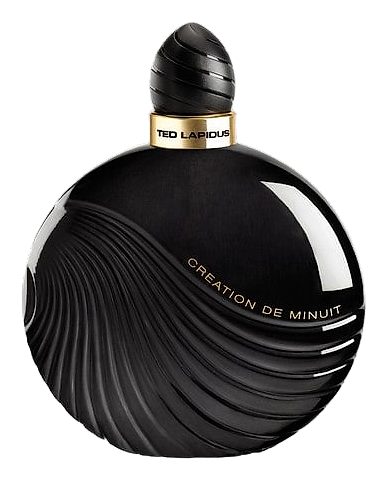
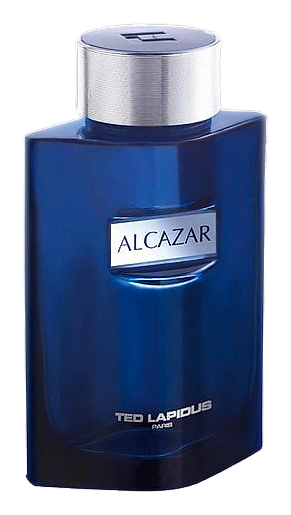
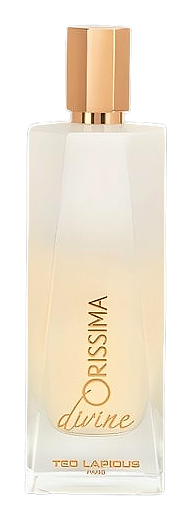
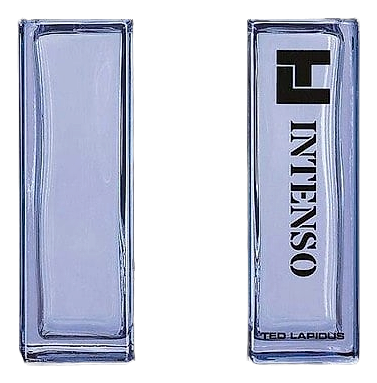
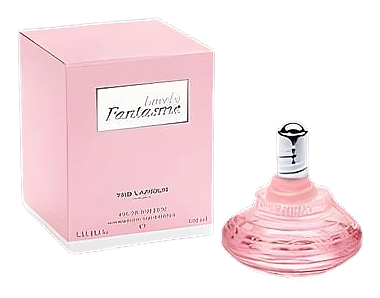
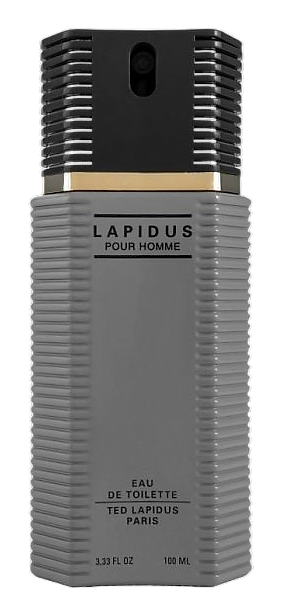
The visual identity of Ted Lapidus fragrances reflects the brand's fashion house origins and its targeting of a masculine audience. Bottle designs across the catalog demonstrate a range of approaches, from classic rectangular flacons to more contemporary interpretations. The original Pour Homme presentation featured straightforward, masculine packaging appropriate to its era and positioning. More recent releases show increased design attention, with bottles incorporating metallic accents, gradient colors, and geometric forms that communicate contemporary luxury. The Oud Blanc presentation emphasizes white and silver tones, suggesting the white oud variation with visual language. Orissima Divine uses gold and luxurious finishing to convey its premium positioning. The brand maintains a cohesive aesthetic across its line, with consistent typography and packaging approaches that unify the catalog under a recognizable visual system. Marketing materials and packaging copy maintain a confident, direct tone that aligns with the brand's fragrance philosophy. The overall aesthetic communicates masculine elegance with a distinctly French sensibility, an approach that has remained consistent even as specific executions have evolved with changing design trends.
Philosophy
Ted Lapidus approaches fragrance creation with an understanding shaped by his background in fashion and tailoring. The brand philosophy centers on the belief that fragrance represents an intimate form of personal expression, much like the choice of garment. The house creates scents intended to communicate identity and character, drawing on a designer's instinct for proportion and detail. This approach manifests in fragrances that tend toward confident, assertive compositions rather than anonymous blends. The brand historically favored bold orientals and masculine compositions that announced their presence, a philosophy that continued through various creative periods. More recent releases demonstrate an engagement with contemporary fragrance trends, incorporating materials like oud while maintaining the brand's characteristic directness. The house views scent as an extension of personal presentation, something that completes the picture of who one presents to the world. This integration of fashion sensibility into fragrance creation distinguishes the brand from perfumers who operate purely within the domain of scent without the fashion house context. The philosophy acknowledges that fragrance operates in a social context, meant to be noticed and appreciated, rather than hidden away. Each fragrance release carries this heritage of assertion, offering wearers a scented signature that complements their chosen presentation.
Key Milestones
1951
Ted Lapidus launches his own fashion label at age 22, following an apprenticeship with Christian Dior
1960s
The house gains prominence among French celebrities and cultural figures, including reportedly Brigitte Bardot
1970
Fragrance operations launch in partnership with l'Oréal, marking expansion beyond fashion into scented goods
1975
Release of Vu par Ted Lapidus, one of the house's notable early fragrance expressions
1978
Launch of first men's fragrance, a leather and smoky tobacco composition
2014
Release of Oud Blanc, a contemporary interpretation featuring white oud
At a Glance
Brand profile snapshot
Origin
France
Founded
1951
Heritage
75
Years active
Collection
1
Fragrances released
Avg Rating
3.9
Community sentiment
Release Rhythm


