The Story
Why it exists.
The beginning
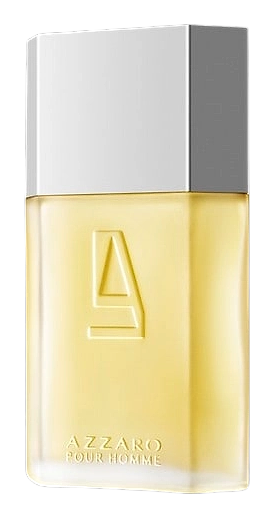
Ted Lapidus launched Pour Homme, an oriental that reflected the house's belief in fragrance as personal expression. Nearly four decades later, Pour Homme Sport arrives as a contemporary counterpoint, the same house, the same conviction, but refracted through a different lens. Where the original announced itself, this flanker breathes.
The Sport designation signals something specific: not just a lighter flank, but a different mood. The frankincense in the base pulls against the fresh opening, creating a tension that distinguishes it from the broader sport fragrance category. It's Sport in name, but the drydown remembers what Lapidus has always done, compose with intent, not apology.
The evolution
The first thirty minutes do not ease in. Bergamot and rosemary arrive together, sharp and almost medicinal, with basil lending a green bite that some find bracing and others find electric. There's a marine quality underneath, not the synthetic beach-bar accord of a thousand contemporaries, but something mineral, like air off cold water. By the second hour, the geranium and orange blossom soften the composition into something cleaner, almost soapy in the best sense. The frankincense doesn't arrive all at once, it builds quietly beneath the florals, and by the later stages it owns the drydown. Leather and patchouli anchor everything that follows, with cedar giving it a dry, woody finish that lingers close to the skin. The evolution isn't dramatic, it's a slow, quiet shift from something that challenges to something that comforts.
Cultural impact
Pour Homme Sport entered a market saturated with aquatic-fresh flankers from heritage houses. What distinguished it was restraint, a fresh opening paired with a woody, smoky drydown. Rather than chasing the ultra-clean trend, it threaded frankincense and leather through a sporty structure, appealing to wearers who wanted the performance of a fresh fragrance with the depth of something older. The composition found its audience among men who remembered what Lapidus built and younger wearers who discovered it on its own terms.