
The Story
Why it exists.
The beginning
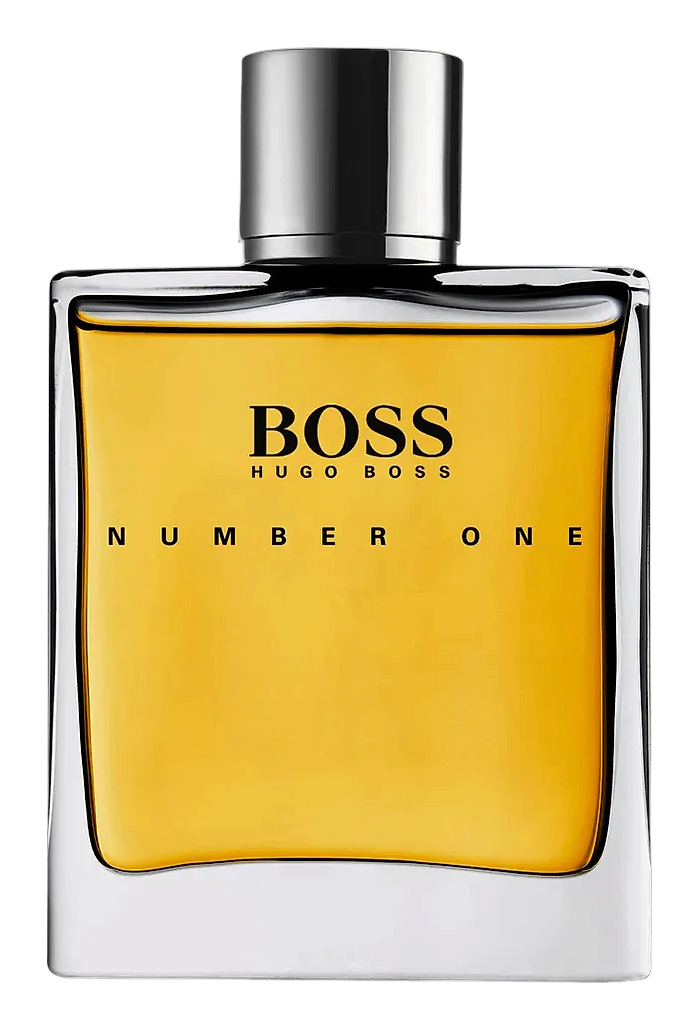
BOSS Number One arrived in 1985 as Hugo Boss entered the fragrance market. Pierre Wargnye composed the scent, building it as a potent aromatic fougère, a structure built on the classic masculine triad of herbs, florals, and mossy woods. He loaded the composition with honey, oakmoss, and tobacco, materials that demanded something from the wearer. The honey brings a rich, almost sticky sweetness that hovers between floral and animalic. Oakmoss provides the grounding earthiness, that classic mossy quality that gives fougères their depth. Tobacco adds a dry, slightly bitter counterpoint that prevents the sweetness from overwhelming. The combination creates a fragrance with real presence, one that announces itself without apology.
What makes Number One interesting is the honey-tobacco-Oakmoss tension that runs through its heart. Honey is sweet, yes, but in this context it's also animalic, the kind of sweetness that implies warmth, skin, presence. Oakmoss brings the earthiness that grounds it, and tobacco adds a dry, slightly bitter counterpoint. The aromatic herbs, sage, artemisia, caraway, don't soften the sweetness. They cut through it. The result is a fragrance that smells confident in a way that can read as confrontational to noses accustomed to cleaner, lighter compositions.
The evolution
The opening offers citrus brightness and juniper, sharpened by caraway and artemisia. Bergamot and lemon provide the initial spark, but green apple and basil add a slightly bitter, aromatic quality that doesn't apologize for itself. Then the heart arrives. Lavender and geranium provide structure, but the honey is the story here, thick, sweet, almost sticky, woven through with sage and orris root. The floral notes don't soften the honey; they complicate it. Jasmine, rose, and lily of the valley add depth, but the honey-tobacco tension remains. The drydown is where it settles: tobacco and oakmoss dominate, with cedar, sandalwood, patchouli, and musk providing the base. Amber and cinnamon add warmth without sweetness. The result is a fragrance that lingers close to the skin, projecting in a way that registers to those nearby without demanding attention from across the room.
Cultural impact
BOSS Number One stands as a masculine fragrance that doesn't negotiate its edges. The honey-tobacco-Oakmoss combination creates a tension between sweetness and earthiness that feels unresolved and alive. It's a fragrance that wears its vintage character openly, confident in a way that can read as confrontational to noses accustomed to cleaner, lighter compositions. For those who remember it from its original release, it carries the weight of a specific era. For those discovering it now, it offers something increasingly rare: a masculine fragrance that doesn't negotiate its edges.