
The Story
Why it exists.
The beginning
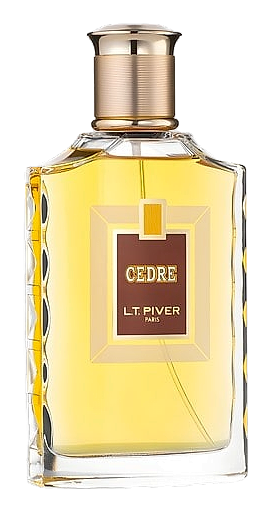
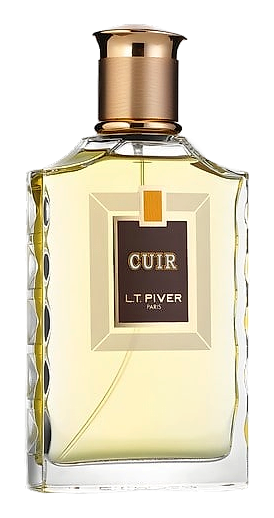
The name says leather. The fragrance says something more interesting. Cuir arrived in 2003 as L.T. Piver's conversation with a long French obsession, the smell of Cuir de Russie, the silver-birch-treated leather that filtered through from Russia in the nineteenth century and lodged itself in the Parisian imagination. Guerlain had interpreted it. Chanel had made it famous. L.T. Piver, that house of quiet discretion, went back to the source: the practical reality of Cossack riding boots, tarred against wet and cold, worn by people who needed their leather to survive.
What L.T. Piver extracted wasn't the heavy, animalic Russian leather of the vintage formulas. It found something lighter in the idea, the honey that sweetens against the dark, the citrus that opens before the leather closes in. The structure is unusual: a single base note (honey) supporting the whole composition, woven through with oakmoss, amber and woody warmth. That puts more weight on the top and middle than most leather fragrances allow. The honey isn't decorative. It's structural. It holds the leather accountable to warmth rather than weight.
The evolution
The bergamot and mandarin arrive together, a clean, bright citrus opening that doesn't announce itself so much as occupy the space. For a spell, this reads more like a cologne than a leather. Then the honey arrives, and the hand-off happens: sweet meets warm, and the woody-spicy heart begins its slow unfurling beneath. The leather doesn't disappear. It settles in. What lingers is the contradiction, sweetness that never quite wins, leather that never quite roars. The honey holds everything together through the drydown, which stays warm and close rather than projecting outward. The scent has a way of staying near the skin, intimate and persistent, a warmth that lingers well after the top notes have softened into memory.
Cultural impact
Cuir sits in an unusual position: a leather fragrance that refuses to be loud. It opts for intimacy and restraint over projection and presence. The wearer who chooses this already knows they're there, and they prefer it that way. There's a quiet confidence in a scent that stays close, that rewards proximity rather than announcing itself across a room. It's leather for those who don't need to announce anything at all.