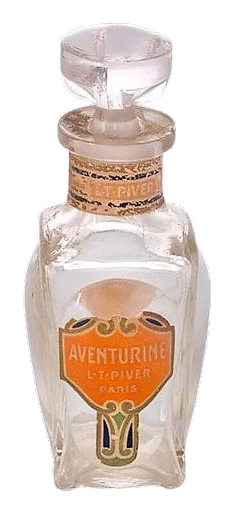
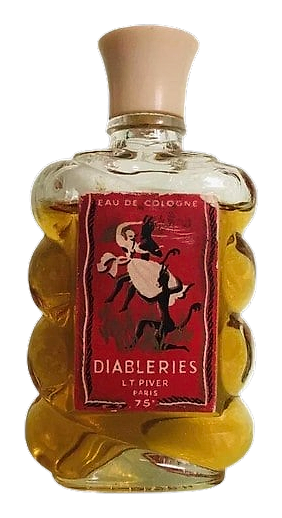
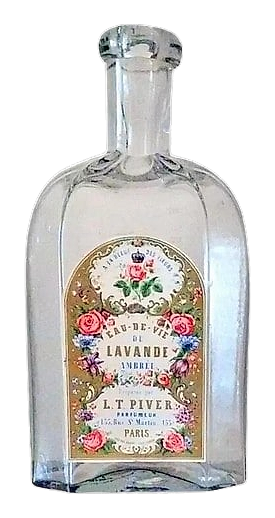
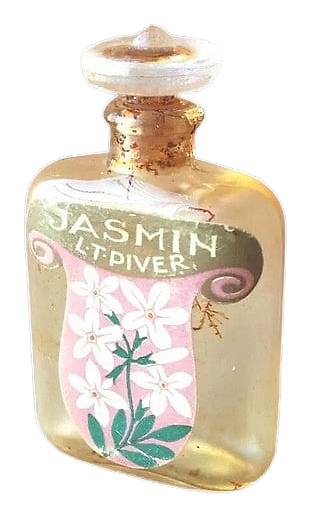
    Brand Profile

    L.T. Piver is a French perfume house that traces its roots to the late eighteenth century. The brand began as a modest boutique in Versaille…More

    France·Est. 1774·Site

    3

    Fragrances

    4.3

    Rating

    50
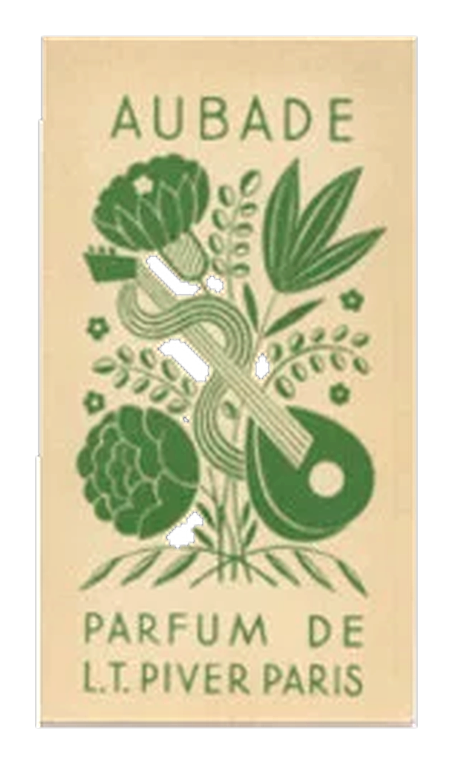
    Aubade by L.T. Piver
    Best Seller
    5.0

    Aubade

    Floramye by L.T. Piver
    Best Seller
    4.5

    Floramye

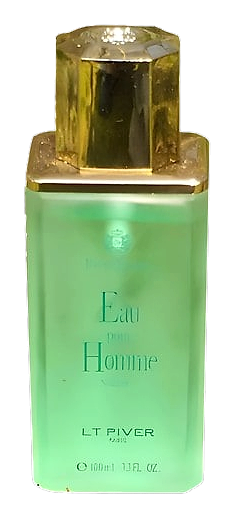
    Eau pour Homme by L.T. Piver
    Best Seller
    4.5

    Eau pour Homme

    Scarabée by L.T. Piver
    4.5

    Scarabée

    Volt by L.T. Piver
    4.5

    Volt

    Muguet by L.T. Piver
    4.5

    Muguet

    Baccara by L.T. Piver
    4.5

    Baccara

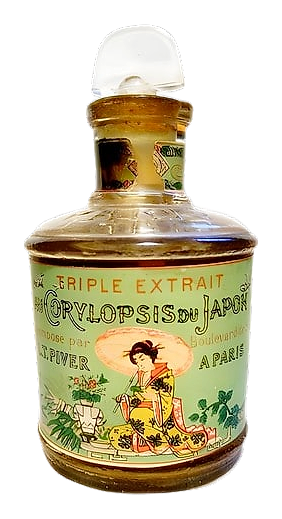
    Corylopsis du Japon by L.T. Piver
    4.5

    Corylopsis du Japon

    Mismelis by L.T. Piver
    4.5

    Mismelis

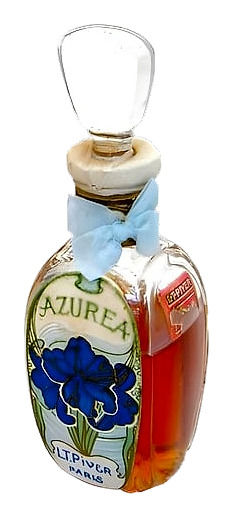
    Azurea by L.T. Piver
    4.5

    Azurea

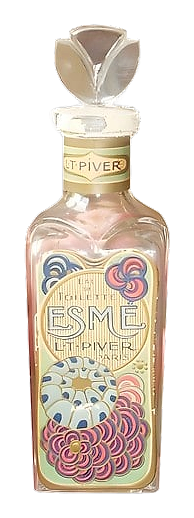
    Esme by L.T. Piver
    4.5

    Esme

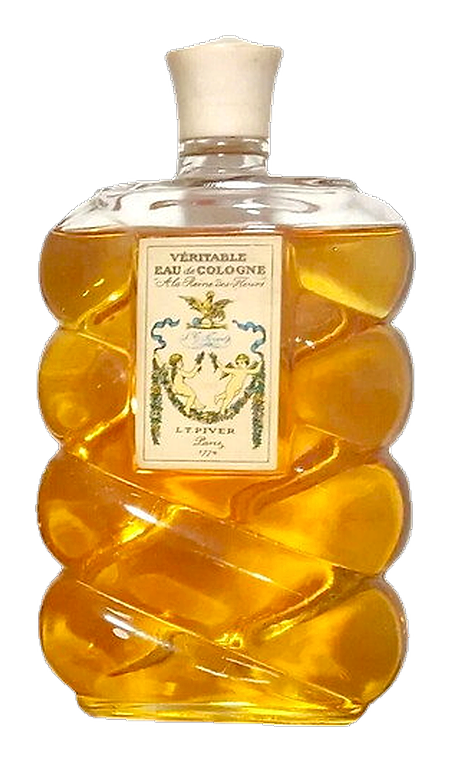
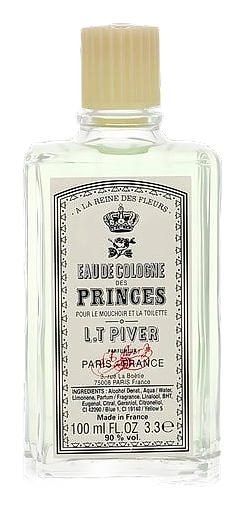
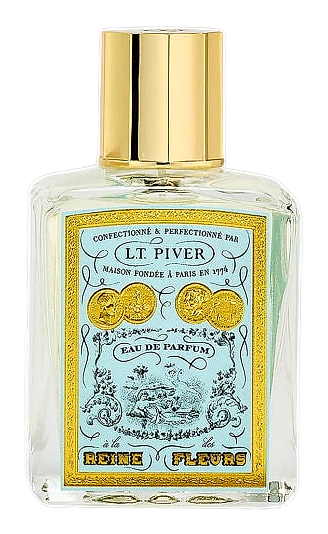
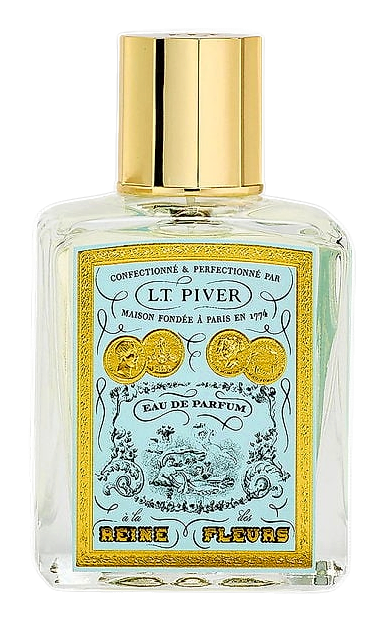
    A la Reine des Fleurs by L.T. Piver – Eau de Cologne (historic formula)
    4.3

    A la Reine des Fleurs

    Eau de Cologne (historic formula)

    1 of 5

    The Heritage

    The Story of L.T. Piver

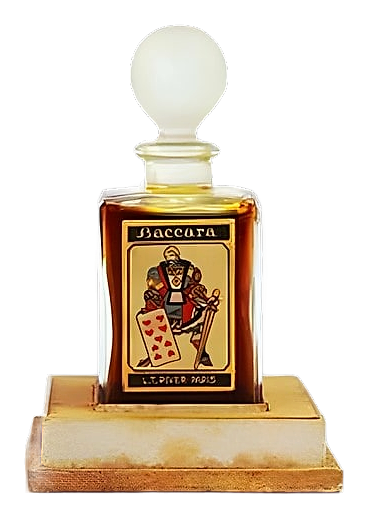
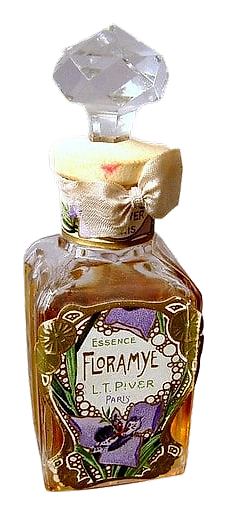
    L.T. Piver is a French perfume house that traces its roots to the late eighteenth century. The brand began as a modest boutique in Versailles and has survived wars, revolutions and changing fashions while keeping a focus on classic French perfumery. Today it offers a catalogue that spans vintage recreations and contemporary releases, each presented in understated bottles that echo the house’s long‑standing commitment to quiet elegance. The label is known among collectors for its archival scents such as Floramye (1905) and Baccara (1959), as well as for a steady stream of new launches that respect the original DNA of the house.

    Heritage

    The story starts on 8 July 1774 when Michel Adam, a glove‑maker who also crafted fragrances, opened a shop called À la Reine des Fleurs at 82 rue des ... in Versailles. Historical records from the city archives list the address and the date, confirming the boutique’s existence during the reign of Louis XVI. In 1813 the shop passed to Louis Toussaint Piver, a perfumer who adopted his surname for the business; the name L.T. Piver appears in trade directories from that year. By the early nineteenth century the house began producing Eau de Cologne, a formula that survived in the catalogue for more than a century. The nineteenth‑century archives contain receipts for fragrances such as Corylopsis du Japon (1887) and Volt (1922), showing a steady output of new compositions. The interwar period saw the launch of Aubade (1931), a scent that later became a reference point for the brand’s floral style. After World War II, L.T. Piver introduced Baccara (1959), a perfume that earned a place in vintage collections and is still reproduced today. The late twentieth century brought a modest expansion into international markets, with the brand appearing in specialty shops across Europe and the United States. In the 2010s the house opened its historic archives to researchers, allowing scholars to study original formulae and bottle sketches. A relaunch campaign in 2022 highlighted the brand’s 250‑year heritage, presenting restored vintage bottles alongside modern reinterpretations. Throughout its history the house has remained privately owned, passing through several generations of the Piver family, which has helped preserve original recipes and production techniques.

    Craftsmanship

    Production at L.T. Piver still takes place in a workshop that blends historic equipment with modern quality controls. The house maintains a small batch laboratory in Paris where perfumers weigh raw materials on analytical balances, a practice documented in a 2019 feature by Fragrantica. Natural ingredients such as jasmine absolute, bergamot oil and sandalwood come from farms that have supplied French perfumers for generations; the house keeps detailed purchase logs that date back to the 1800s. When a vintage formula is revived, the perfumer consults the original parchment or ink‑on‑paper recipe, then conducts a series of stability tests to ensure the scent remains true over time. The blending process follows a strict temperature regime, often at 20 °C, to preserve volatile top notes. After blending, the mixture rests in oak barrels for several weeks, a step that mirrors historic aging methods. Quality assurance includes gas chromatography analysis, which verifies that each batch matches the reference profile established from the archive sample. Bottles are hand‑blown in a glass workshop in Saint‑Rémy‑lès‑Chevreuse; the glass is annealed to reduce stress, then polished by artisans who apply a subtle frosted finish. Caps are machined from brass and hand‑polished, and each bottle receives a hand‑stitched leather label that bears the house’s historic monogram. The final product is sealed with a wax stamp that reproduces the original seal used in the eighteenth century, providing a tactile link to the brand’s origins.

    Design Language

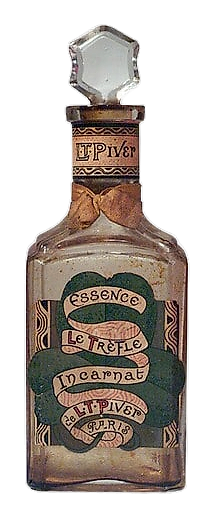
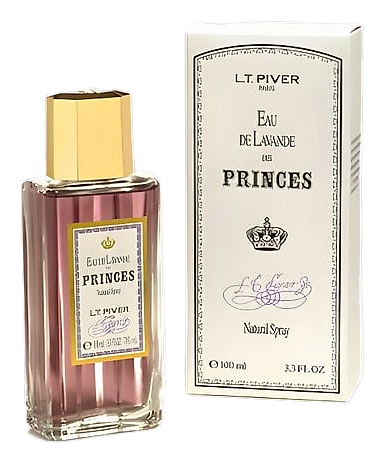
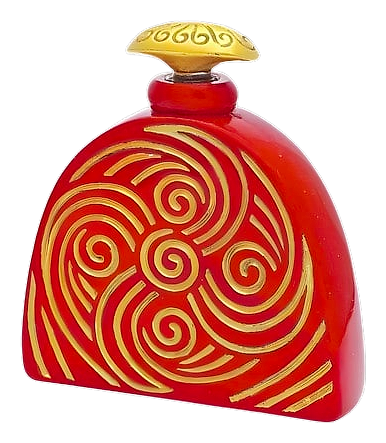
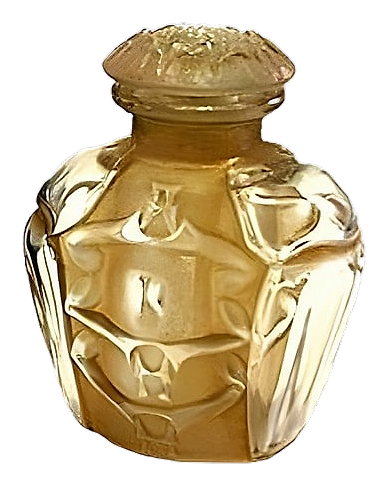
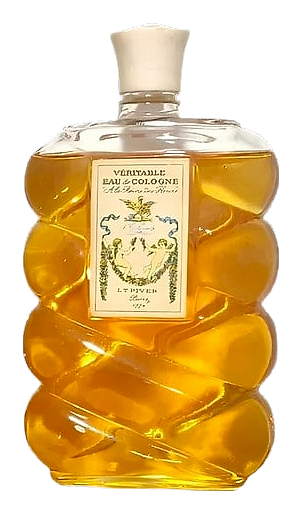
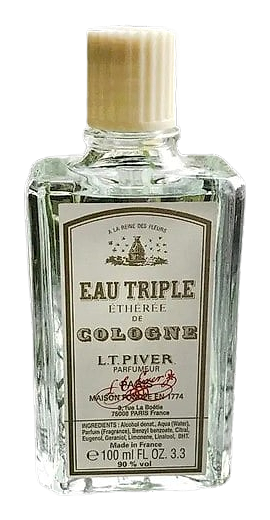
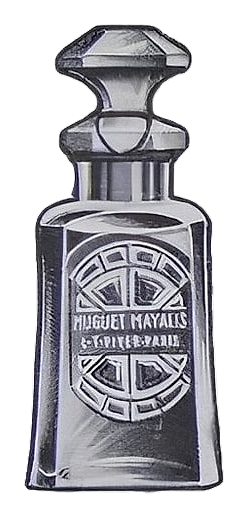
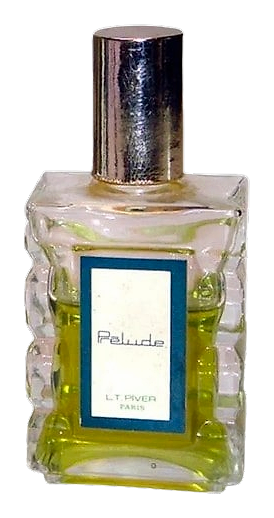
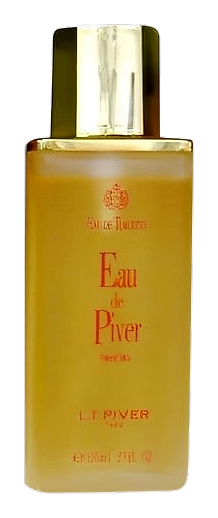
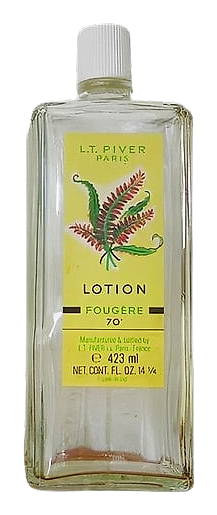
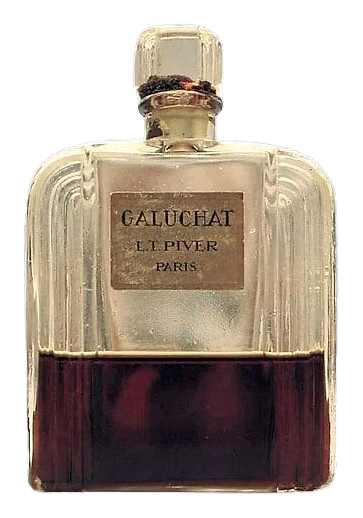
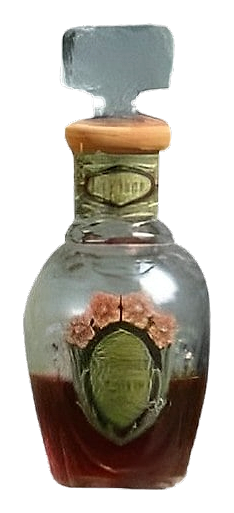
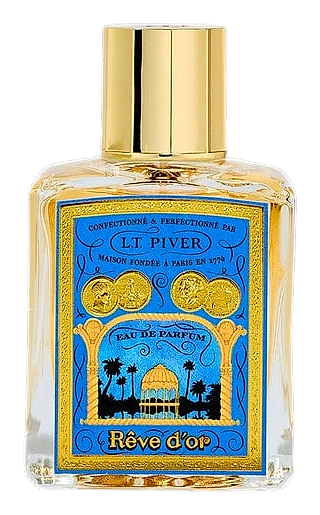
    The visual language of L.T. Piver reflects the understated elegance of a historic French atelier. Bottles feature a tall, slender silhouette with clean lines, avoiding excessive ornamentation. The glass often carries a soft matte coating that catches the light without glare, a finish that the house introduced in the 1990s to differentiate its vintage reissues. Labels display the original handwritten script of Louis Toussaint Piver, reproduced in a deep navy ink on cream‑coloured paper that mimics the texture of nineteenth‑century stationery. The brand’s logo, a simple intertwined LTP monogram, appears in gold foil on the cap, a nod to the gilded accents used on early perfume bottles. Retail displays use dark wood panels and brass fixtures, creating a setting that feels like a private study rather than a commercial shelf. Advertising material, when it appears, relies on monochrome photography that captures the bottle against a plain background, allowing the scent’s story to emerge from the image rather than from graphic embellishments. The overall aesthetic conveys a sense of timelessness, inviting the wearer to experience a fragrance that feels both historic and immediate.

    Philosophy

    L.T. Piver frames its creative work as a dialogue between past and present. The house believes that a fragrance should tell a story that can be read across decades, so it treats each new launch as an extension of an existing narrative rather than a break from tradition. The brand values discretion, allowing the scent itself to speak without relying on loud advertising. It prioritises authenticity, which means that when a historic formula is revived the perfumer works from the original manuscript, adjusting only for modern safety standards. Sustainability appears in the sourcing policy: the house prefers ingredients that can be traced to long‑standing suppliers in Grasse, Madagascar and the Middle East, and it supports fair‑trade initiatives for natural absolutes. L.T. Piver also encourages collectors to view perfume as a cultural artifact, encouraging education through archive exhibitions and collaborations with museums. The creative vision rests on a respect for balance; each composition aims for a clear structure where top, heart and base notes transition smoothly, echoing the classic French style that the house helped define in the eighteenth century.

    Key Milestones

    1774

    Michel Adam opens the boutique À la Reine des Fleurs in Versailles, marking the earliest recorded activity of the future L.T. Piver house.

    1813

    Louis Toussaint Piver takes over the shop, adopts his surname for the business, and begins branding the house as L.T. Piver.

    1905

    Release of Floramye, a floral fragrance that becomes a reference point for the house’s early twentieth‑century portfolio.

    1959

    Baccara launches, later recognized by collectors as a classic example of post‑war French perfumery.

    2010

    L.T. Piver opens its historic archives to scholars, allowing independent research on original formulas and bottle designs.

    2022

    The house celebrates its 250th anniversary with a relaunch campaign that presents restored vintage bottles alongside contemporary reinterpretations.

    At a Glance

    Brand profile snapshot

    Origin

    France

    Founded

    1774

    Heritage

    252

    Years active

    Collection

    3

    Fragrances released

    Avg Rating

    4.3

    Community sentiment

    Release Rhythm

    2011
    1
    2003
    1
    1998
    2
    1995
    1
    1991
    2
    1959
    2
    1939
    1
    1931
    2
    lt-piver.com

    Did You Know?

    Interesting Facts

    Distinctive details and defining moments that shape the house personality.

    01

    The original boutique was located on a street that still exists in Versailles, and the building’s façade retains the same stonework seen in 18th‑century photographs.

    02

    L.T. Piver’s Eau de Cologne formula from the early 1800s survived the French Revolution, a period during which many perfume houses were forced to close.

    03

    The house’s archives contain handwritten recipes in copperplate script, which are studied by perfume historians as examples of early perfumery notation.

    04

    A single original bottle of the 1887 fragrance Corylopsis du Japon sold at auction for over €3,000, highlighting the collector interest in the brand’s vintage pieces.

    The Artisans

    The Perfumers