The Story
Why it exists.
The beginning
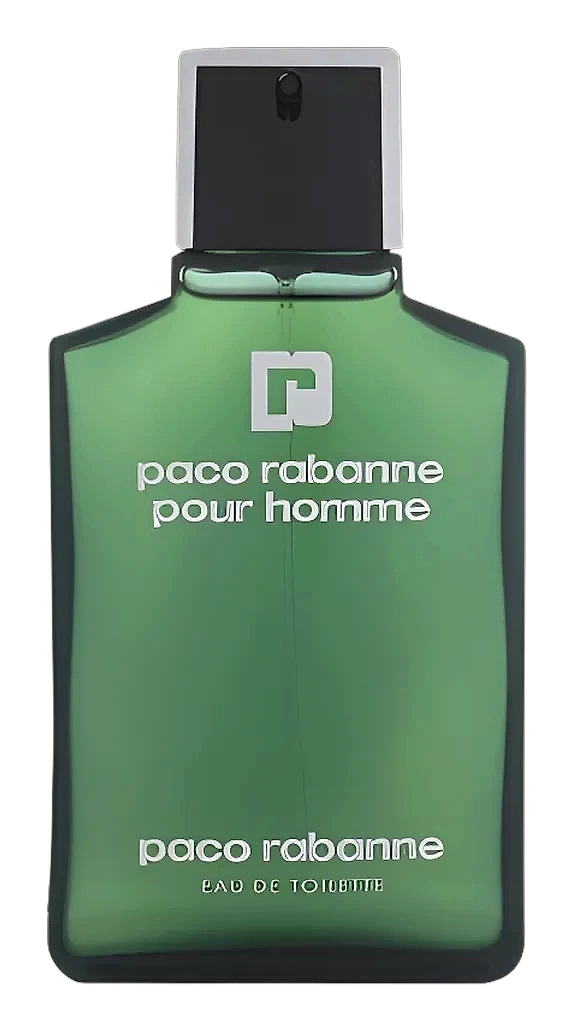
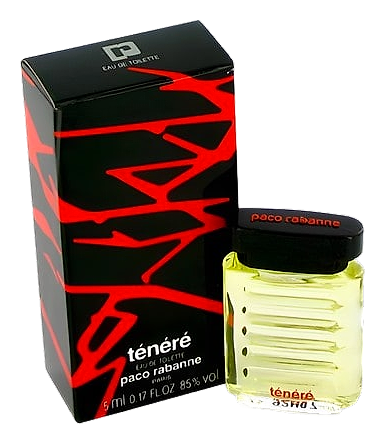
Ténéré takes its name from the Ténéré desert, a stretch of the Sahara so vast and unforgiving it was once considered the worst place on Earth. That naming carries weight. It suggests endurance, extremity, the beauty of something that doesn't soften for comfort. Pierre Wargnye built this 1988 fragrance around a central tension: the sharp, clean aromatics of Mediterranean scrub against the deep warmth of honeyed florals and leather. It was Rabanne's statement for men who wanted structure with a pulse, fresh first, the brand said, then full of vibrations and contrasts. Ténéré delivers both.
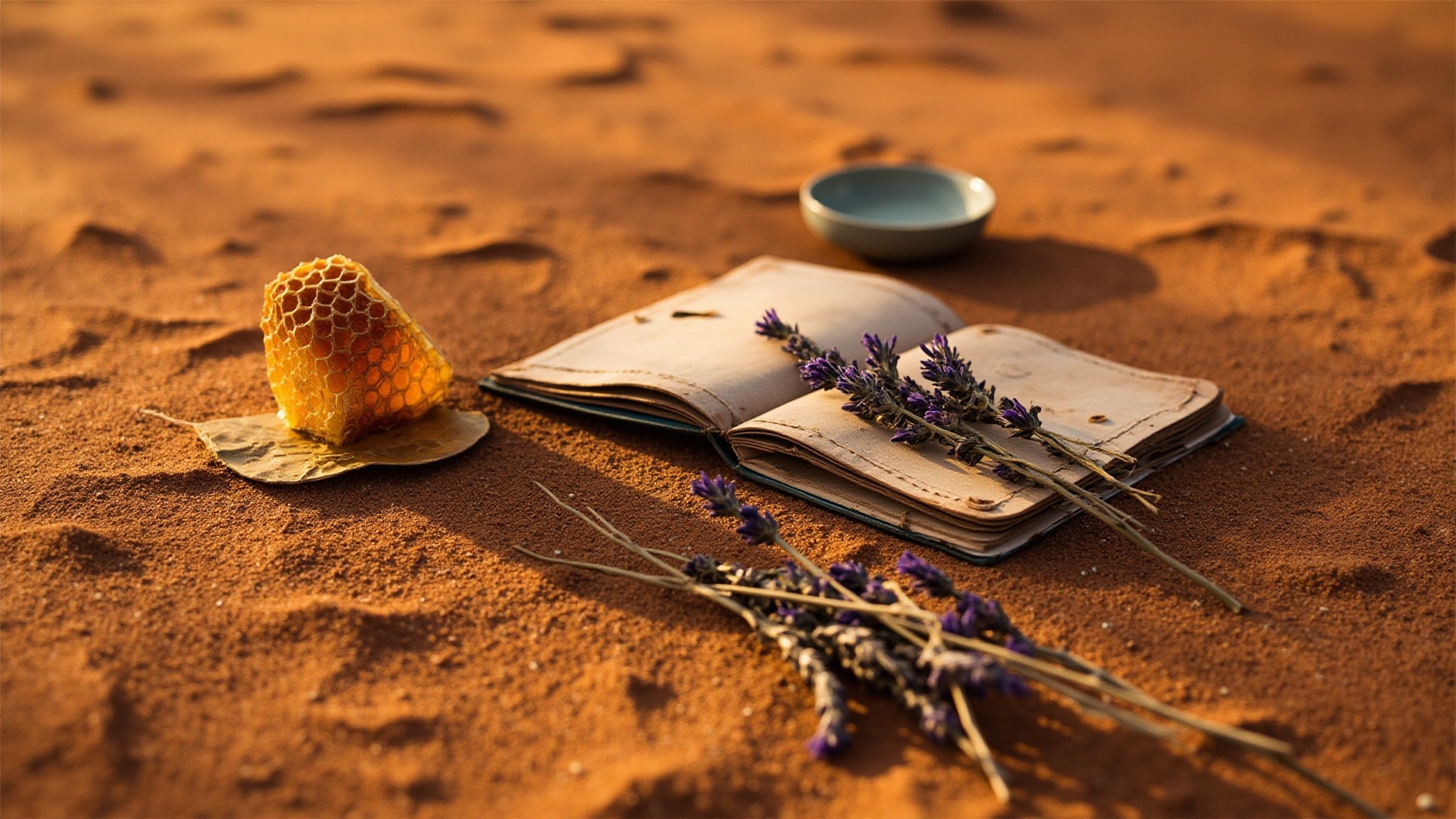
The honey-anise pairing is the composition's secret weapon and its dividing line. Anise brings a cool, almost medicinal sharpness, the kind you'd find in absinthe or absinthe's lesser-known relatives. Honey brings warmth, sweetness, the memory of something edible. Together they create a heart that smells like a garden someone actually lives in, not one that's been arranged for a photograph. The carnation helps, adding a peppery richness that bridges the cool herbs above and the warm leather below. This isn't a fragrance that layers cleanly from fresh to deep. It's more like a conversation where one voice keeps contradicting the other, and the argument is the appeal.
The evolution
The top notes arrive fast and don't wait for permission. Lavender leads, but the bergamot and grapefruit give it a sharper edge than you'd expect, more road dust than lavender sachet. The citrus doesn't fade so much as get absorbed, and thirty minutes in the heart is already asserting itself. The shift from citrus-herb opening to honeyed rose heart is where most people make their decision about this fragrance. Those floral-warm notes arrive with presence, almost medicinal in their sweetness, the artemisia is the tell. It keeps the honey from going syrupy. It keeps the rose from going soft. The anise is present throughout, a cool thread running under everything. By the third hour the leather has settled into the base, mixing with patchouli and amber into something dry and close to the skin. Vetiver keeps the finish green, not sweet. On fabric, this fragrance lasts into the next day, faint but present, like the smell of a room that someone interesting has just left.
Cultural impact
In the late 1980s, men's fragrances were navigating a period of transition, the safe aromatics of the early decade giving way to something more complex and assertive. Ténéré sits firmly in that shift. It borrowed the fougère structure that had defined masculine perfumery for decades but loaded it with a honeyed floral heart that felt transgressive in a men's fragrance at the time. The anise and artemisia kept it sharp; the leather and vetiver kept it masculine. Wearers who return to this fragrance tend to describe it as the scent of someone who made a decision and never looked back, confident, slightly old-fashioned in the best sense, unwilling to soften for approval.