
The Story
Why it exists.
The beginning
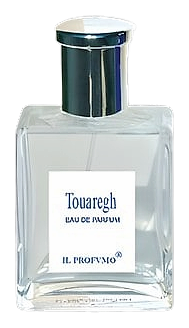
Touaregh arrived in 2003 from Silvana Casoli at Il Profvmo, the Italian house she built from a small laboratory in Reggio Emilia. The name points toward North Africa, the Tuareg people, the Sahara, a landscape of extremes where cool nights meet searing days. Casoli was known for compositions that didn't shy away from contrast, and Touaregh became one of her most unabashed statements: a men's fragrance that starts cool and turns warm, that opens with herbaceous clarity and settles into something darker, earthier, harder to pin down. It was a fragrance for someone who wanted complexity without decoration, the idea, perhaps, that the desert doesn't perform for you.
What makes Touaregh interesting is its structure, a sharp, almost clinical opening that most wearers don't expect. Lavender and mint together create that effect: the lavender gives it traditional masculine weight, but the mint pulls it sideways, makes it feel cool rather than warm, green rather than amber. Then the heart does something unexpected: nutmeg adds a faint sweetness that no one sees coming, while vetiver and patchouli push it back toward earth, toward something with texture and persistence.
The evolution
The opening announces itself quickly. Mint hits first, bright and almost sharp, followed within seconds by lavender, the two working in tension, mint pulling cool while lavender gives it body. This phase lasts maybe twenty minutes before the mint recedes and the heart notes take over. Nutmeg arrives quietly, then vetiver, then patchouli layering in. Bell pepper adds a faint green quality that catches the light, and lokum brings a subtle sweetness that rounds the edges. The transition isn't dramatic; it's more like the temperature shifting from morning to afternoon. The drydown is where Touaregh earns its reputation. Amber arrives and doesn't leave. Cedarwood, vetiver and patchouli linger underneath, giving it an earthy, slightly smoky quality that can last well into the next day on fabric. On skin, the longevity is substantial, you'll know, but so will anyone standing close.
Cultural impact
Touaregh occupies an interesting position: aromatic in the classic fougère tradition but with enough modern restraint to avoid feeling dated. It offers herbaceous complexity and earthiness that stands apart from more straightforward directions. The fragrance has found an audience among those who appreciate its particular blend of crispness and depth, drawing comparisons to fougère craftsmanship while maintaining its own character.