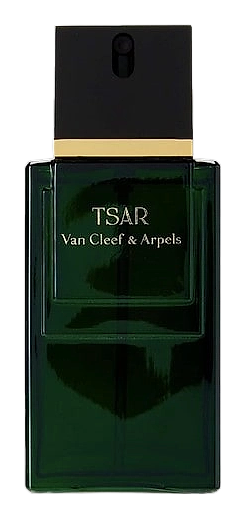

The Story
Why it exists.
The beginning
Philippe Bousseton created Tsar in 1989 with one directive: authority. Not the loud kind that announces itself across a room, the quiet kind that settles into a space and stays. The composition is a full pyramid of herbs, greens, and woods that could hold up under that weight. From the first application, the fragrance establishes its presence through a structured layering, herbaceous notes at the opening, green accords in the heart, and deep woody base notes that anchor the entire experience. This is Van Cleef & Arpels' statement on masculine composure, a fragrance built for the kind of man who doesn't need the room to know he's there. The herbal opening is crisp and immediate, with lavender and rosemary providing a clean, aromatic entrance that doesn't announce itself loudly.
The composition contains eight top notes, ten heart notes, and ten base notes. Bousseton layered them with discipline. The herbal opening (lavender, rosemary, artemisia, tarragon) doesn't compete; it accumulates. Each wave adds to the last. The combination creates a crisp, aromatic entrance that feels simultaneously green and slightly spiced, the herbs working together to create something greater than their individual contributions. By the time oakmoss and leather arrive in the base, the fragrance has built something that feels architectural rather than cluttered.
The evolution
It opens sharp and immediate, bergamot and coriander hit first, citrusy and slightly spiced, before the lavender and green notes sweep in and take command. The top notes establish themselves quickly, creating a bright, aromatic opening that doesn't linger. The heart arrives next: pine and juniper berries, green and resinous, with carnation and geranium adding a quiet floral undertone that keeps the herbs from becoming medicinal. This middle phase holds the fragrance's core character, where the green and resinous qualities deepen and the floral notes provide subtle complexity. The drydown doesn't arrive so much as settle. Oakmoss and leather move to the front, leather warm and slightly sweet from the tonka, oakmoss earthy and damp. Vetiver and patchouli linger underneath, their smoky and earthy characteristics adding depth that emerges as the brighter notes recede.
Cultural impact
Tsar stands out for its density. Bousseton built a pyramid so stacked it could have collapsed into noise, but instead created something that reads as architectural. It presents a structured layering of herbal, green, and woody notes that accumulate with purpose rather than competing for attention. The fragrance offers herbal clarity that modern masculines rarely attempt, relying on a classic approach to masculine composition rather than contemporary trends. The density of the note structure creates something that feels cohesive and deliberate, where each layer supports the others rather than overwhelming the senses.
The House
Van Cleef & ArpelsVan Cleef & Arpels stands as one of the most distinguished names in French haute joaillerie, a maison whose glittering legacy began at Place Vendôme in 1906 and has never wavered from that legendary address. The house translates its jeweler's soul into fine fragrance, creating scents that carry the same sense of preciousness and poetic beauty found in its iconic gem-set creations. From its legendary First fragrance launched in 1976 to contemporary compositions, each perfume reflects the house's commitment to elegance, nature-inspired motifs, and the art of transformat
The Creator
Philippe BoussetonHis signature technique blends marine notes with unexpected mineral accords, often anchoring a composition with a subtle salt‑kissed vetiver. He favors ingredients that age gracefully: cedarwood that softens over weeks, ambergris that deepens with skin chemistry, and citrus oi…