The Story
Why it exists.
The beginning
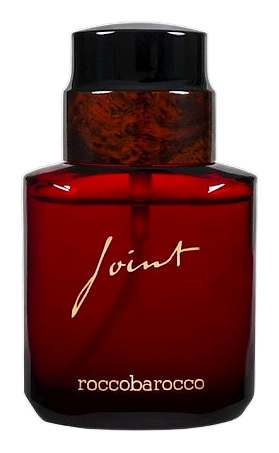
Roccobarocco launched Joint pour Homme in 1993 as the house moved beyond the formality of its debut fragrance line. The name suggested assembly, collaboration, a meeting of masculine elements, and the composition reflected this ambition. Built on the premise that Italian tailoring could translate into scent, the house chose bold materials at every stage, from the aldehydic artemisia top to the civet-heavy base. It was Roccobarocco's first masculine woody-chypre, a calculated statement that Italian fashion could compete in the premium masculine market with unconventional construction.
The note hierarchy reflects Roccobarocco's philosophy of pairing classic Italian ingredients with contemporary boldness. Basil, bergamot and coriander reference Mediterranean kitchens while artemisia and aldehydes recall vintage masculine traditions. The tobacco and honey combination draws from rustic warmth, balanced by jasmine, rose and cardamom's aromatic complexity. The drydown leans into civet and leather, materials that speak to the house's tailoring heritage while patchouli, labdanum and vetiver ground the composition in earthiness. Amber, musk and tonka bean soften the assertion, demonstrating that Italian flair extends to knowing when to let a fragrance breathe.
The evolution
The fragrance travels from an herbaceous citrus opening through a honeyed floral heart to a full-bodied animalic drydown, each phase marking a distinct territory. Basil and bergamot open with sharp clarity, the aldehydes lending vintage glamour while coriander and artemisia add aromatic complexity. In the heart, tobacco leaves meet honey, their sweetness tempered by the spiced nuance of cardamom and the powdery elegance of orris root. Jasmine and rose provide floral lift against geranium's green freshness. The journey ends in untamed territory: civet, leather and labdanum create a provocative foundation while patchouli, vetiver and cedarwood establish lasting presence, and tonka bean introduces a whisper of sweetness.
Cultural impact
Since its 1993 debut, Joint pour Homme has become a quiet cultural marker of Italian masculine elegance, reflecting the era’s shift toward greener, more herbaceous compositions that broke from the dominant woody trends of the early ’90s. Its blend of basil, artemisia and tobacco resonated with a generation seeking both freshness and depth, influencing later releases that emphasized herbal‑spice balances. Over the decades, collectors have cited the scent as a reference point for modern green‑herb masculinity, and its understated marketing helped solidify Roccobarocco’s reputation for crafting timeless, unpretentious fragrances that still feel contemporary today.