
The Story
Why it exists.
The beginning
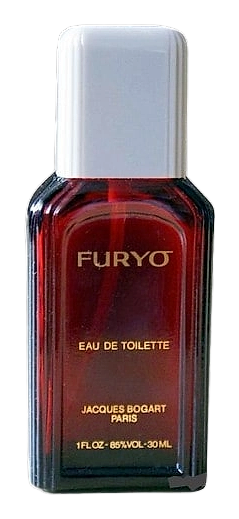
Furyo arrived in 1988, a fragrance that refused to play by the rules of its era. Created by perfumers Ron Winnegrad and Thierry Wasser, it entered a fragrance landscape dominated by clean, soapy masculines and opted instead for something rawer. The name itself was a statement: this was not a scent for men who wanted to blend in. It carried weight and history in its composition, a dark, resinous character that gave it a certain dangerous charm. Those drawn to it understood that a fragrance could be more than pleasant background noise; it could announce a presence.
What makes Furyo structurally unusual is its relationship with animalic notes. The composition features civet and castoreum as notable elements within its structure, using them to add depth and presence. Patchouli and tobacco amplify the effect, giving the composition a dark, resinous warmth that reads as both vintage and uncompromising. Vetiver appears in the structure, acting as a grounding element that keeps the animalic elements from overwhelming the composition.
The evolution
The opening is all business, lavender and bergamot arrive crisp, with coriander adding a slight herbal lift. A clean, aromatic quality defines this initial phase, one that avoids the soapy tendencies of its contemporaries. Then the handoff: tobacco and vetiver carry the fragrance into its heart, where civet and castoreum assert themselves. This is the phase that defines Furyo, warm, animalic, and close to the skin. The drydown strips back the sharper elements, leaving musk and amber to settle into something quieter but no less present. As the hours pass, the fragrance transitions through these stages, with the animalic warmth lingering as a defining characteristic.
Cultural impact
Furyo belongs to a tradition of bold masculines that understood masculine scent as something powerful, animalic, and unapologetically present. It stands apart from fragrances that prioritize politeness over personality. Wearers describe it as the scent of someone who walks into a room and does not need to announce themselves. It attracts those who know what they want from a fragrance and are not afraid to want it loud. The composition has maintained its character over time, appealing to those who seek something with genuine weight rather than background noise.
The House
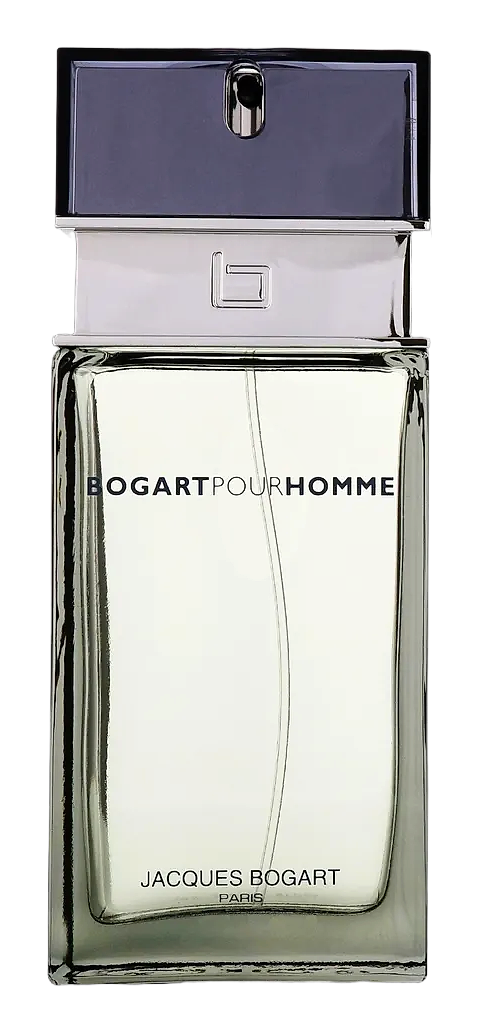
Jacques BogartSince 1975, Jacques Bogart has held to a single conviction: men deserve their own fragrance culture. Founded in Paris the same year, the house operates under the banner "I create only for men" and has spent nearly five decades building a masculine universe that speaks directly, without compromise or apology. Jacques Bogart fragrances project presence, durability, and the kind of originality that transcends seasonal trends. The brand remains a pillar of its parent company, Groupe Bogart, an independent French family enterprise that also owns twelve fragrance and cosmetics labels alongside a network of nearly 450 selective perfumeries across Europe and the Middle East.
The Creator
Ron Winnegrad & Thierry WasserWinnegrad's technical background in aroma chemical development gave him an unusually deep understanding of molecular behavior. His fragrances tend to balance structure with emotional resonance, moving between crisp, clean compositions like Lagerfeld Classic and Baby Soft Colog…