The Story
Why it exists.
The beginning
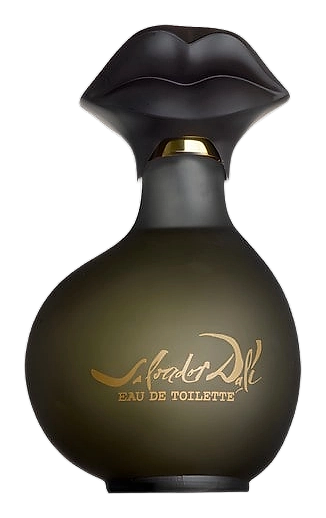
Salvador Dali Pour Homme arrived in 1987, four years after the brand's first fragrance honored Gala, Dalí's wife and muse. Thierry Wasser, who would later become head perfumer at Guerlain, designed it as the house's first masculine statement. The brief wasn't commercial success. It was artistic coherence: translate the Spanish surrealist's visual imagination into a scent that could live on skin. Wasser chose to work with the cooler herbs, tarragon, basil, lavender, as a counterpoint to the warm oriental base. Star anise was the wildcard. It gave the opening its confrontational edge, its almost fennel-like sharpness. That decision divided opinion from the first spray. It still does.
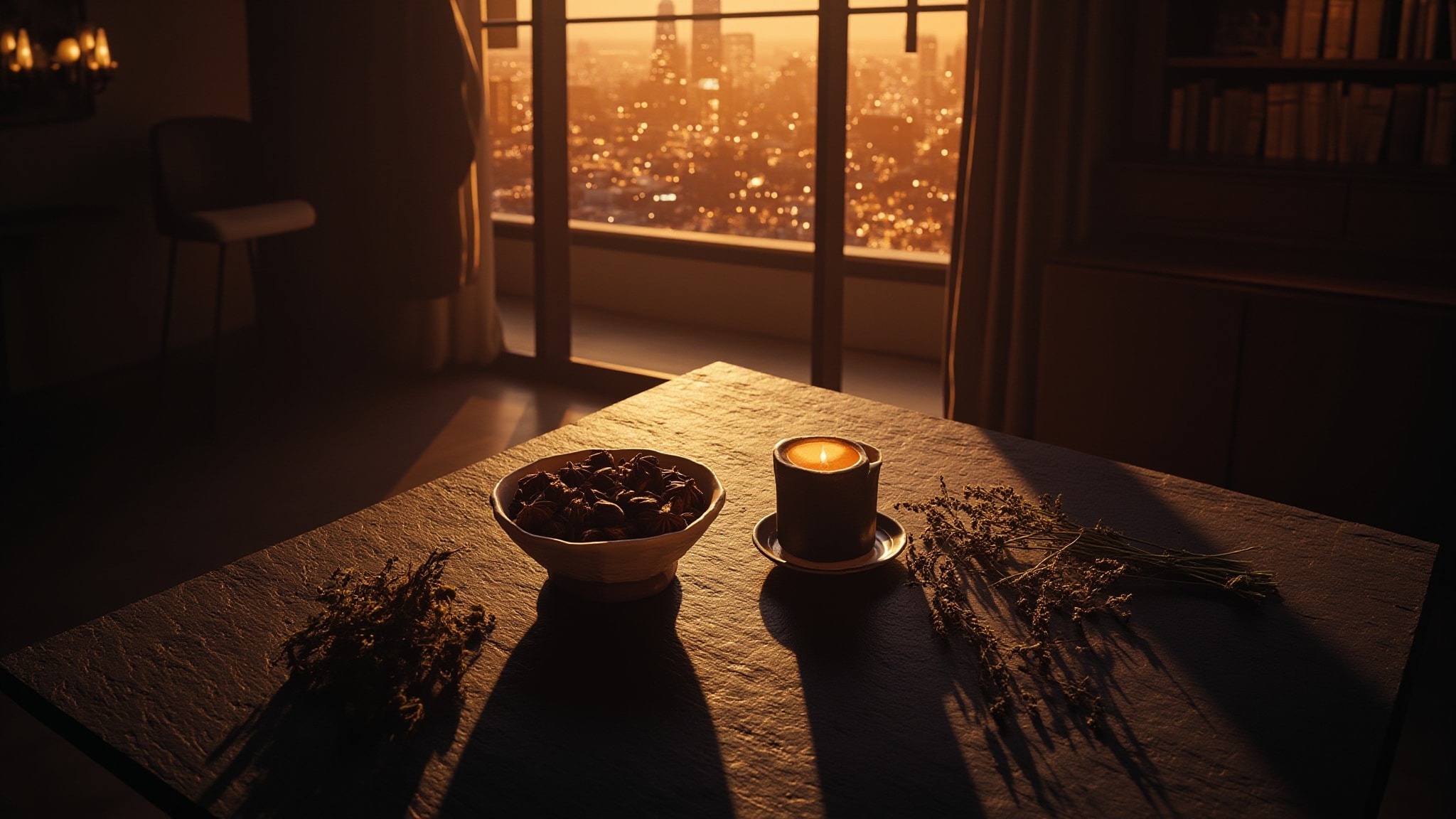
The star anise in the opening is the tell. It's unusual in masculine fragrance, more common in culinary applications or niche compositions, and here it reads almost medicinal, like black licorice crushed against warm skin. Combined with tarragon, it creates an herbal-fennel character that signals something different before a single floral or base note arrives. The heart pivots sharply: heliotrope and jasmine introduce powdery sweetness that tempers the opening's sharpness. But the base refuses to be quiet. Patchouli and vetiver anchor the composition in earthy depth, while amber, musk, and vanilla create a warm animalic sweetness that defines the drydown.
The evolution
The opening announces itself immediately. Bergamot, mandarin, and lemon cut through tarragon, basil, and lavender, but the star anise dominates. That fennel-like sharpness is the first impression, the one that stays with you whether you want it to or not. Twenty minutes in, the opening begins to recede. The herbal complexity settles. The heart emerges: heliotrope and jasmine introduce powdery sweetness, while moss and geranium keep things grounded without going green. The transition isn't subtle, it's a hand-off from cool to warm, from sharp to soft. By the second hour, the base takes over. Patchouli and vetiver provide the earth. Amber, musk, and vanilla provide the warmth. The vanilla becomes more pronounced as hours pass, eventually reading almost edible. Eight to ten hours later, what remains is warm, animalic, slightly sweet. The kind of drydown that gets noticed the next morning.
Cultural impact
Salvador Dali Pour Homme occupies a specific position: a bold 1987 masculine that rewards those who appreciate niche, artistic compositions over mainstream accessibility. The dark, gothic character appeals to wearers who want a fragrance that announces itself rather than whispers. Its longevity and animalic warmth have built a dedicated following across decades.