
The Story
Why it exists.
The beginning
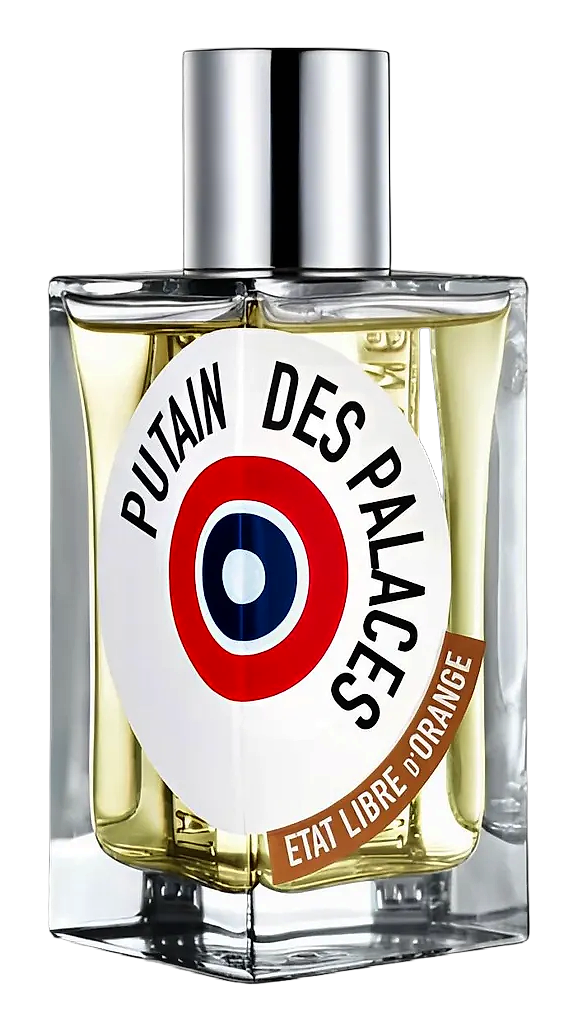
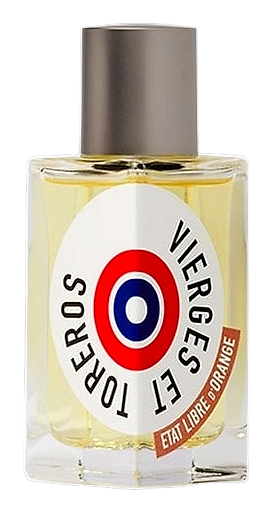
This Paris house carries a name that announces its intentions before a single note is smelled: Orange Free State. The brand operates outside conventional industry logic, favoring names and compositions that challenge expectations rather than follow them. This fragrance was conceived as a confrontation, the purity of the virgin against the pride of the bullfighter, animalic notes set against one of the most potent florals in perfumery. From the opening accord to the final drydown, the composition refuses to resolve into something safe or expected. Instead, it leans into tension, using contrasts between light and dark, refined and raw, to create something that registers immediately as deliberate and unapologetic.
Wood, musk, and costus appear in this composition in proportions that push the boundaries of what a fragrance can do. The leather isn't the support act. It's the equal of the flower. White florals inject a confrontational edge, taking a typically feminine note into territory more usually reserved for masculine statements. Animalic notes amplify until the composition reads as almost bodily, warm skin in a room that's not quite warm enough. The tension isn't between florals and leather.
The evolution
The opening hits hard and fast. Cardamom arrives with a warmth that borders on fever, the kind you get from breathing too close to someone. Bergamot brings its bitter edge, and black pepper adds a clean, sharp cut. The top notes don't tease. They announce. Within the first twenty minutes, the florals begin their slow invasion. Tuberose and ylang-ylang create a creamy, honeyed core that's simultaneously opulent and unsettling. Costus amplifies the animalic quality until it reads as almost bodily, the intimacy of warm skin in a room that isn't quite warm enough. The leather rises to meet it, not as restraint but as counterpoint, two forces refusing to yield. By the third hour, the florals begin their retreat. The leather deepens, patchouli anchors the base, and vetiver keeps everything grounded in something dry and austere. Costus lingers, that intimate animal warmth that doesn't fully disappear, just settles closer. On skin, the drydown lasts through evening. On fabric, it stays until the next wash.
Cultural impact
Known for polarizing, the costus-animalic character either hooks or unsettles. The combination of costus, leather, and white florals creates a scent profile that resists easy categorization, falling outside the comfortable middle ground most fragrances occupy. Within fragrance communities, discussion around this one frequently touches on the costus, the leather-floral tension, and whether it functions as a masculine interpretation of tuberose.