
The Story
Why it exists.
The beginning
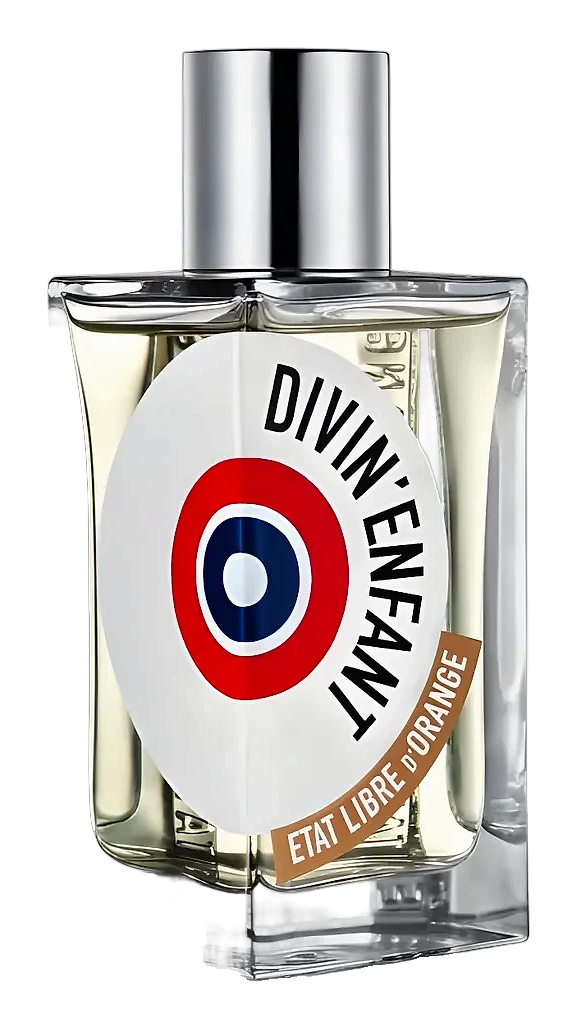
Antoine Lie built Divin'Enfant for a house that does not flinch. État Libre d'Orange gave its perfumers one instruction in 2006: make something real. No commercial briefs. No focus groups. The name itself is a provocation. Divin'Enfant means divine child, and Lie understood the assignment. A divine child is charming, irresistible, and capable of something cruel without malice. The brief was the idea. The notes were the translation. Marshmallow and African orange flower give the fragrance its initial sweetness, but leather, tobacco, and coffee interrupt that sweetness before it becomes comfortable. The result is a fragrance that seduces and then complicates, just as a divine child might.
The choice of marshmallow, African orange flower, tobacco, leather, coffee, tonka bean, amber, rose, and musk in a single heart is a deliberate provocation against perfume conventions. Marshmallow and tonka bean typically serve as base materials, here moved forward where they dominate the initial impression. African orange flower and rose add floral complexity that could read girlish, but tobacco, leather, and coffee prevent that reading entirely. The combination creates a fragrance that smells like a contradiction. Musk ties everything together, providing animal warmth that makes the sweet notes feel worn rather than applied. The pairing rationale is simple: sweetness should have teeth.
The evolution
The evolution of Divin'Enfant on skin is not a journey from point A to point B. It is more like a sustained negotiation between softness and severity. Seconds after application, marshmallow and African orange flower dominate, creating a sweet, floral impression that feels innocent. Within minutes, tobacco and leather arrive, not dramatically but persistently, shifting the character. Coffee adds a bitter counterpoint that keeps the sweetness honest. The heart notes, including tonka bean, amber, and rose, layer rather than replace, so the fragrance at any given moment contains both the sugary opening and the darker elements that emerged later. As hours pass, the sweetness softens and the amber-musk base becomes more apparent. The leather remains, the tobacco lingers, and the rose becomes a fading abstraction rather than a distinct note. The overall arc moves from sweet-floral to sweet-dark to warm-animalic, each phase overlapping the previous rather than replacing it.
Cultural impact
Divin'Enfant occupies an unusual position in the niche fragrance world: it's both a statement piece and a wearable one. The sweet-to-dark reversal appeals to wearers who want their fragrance to tell a story without requiring explanation. It's not trying to please everyone, and that refusal is exactly what its fans find attractive.