
The Heritage
The Story of Roccobarocco
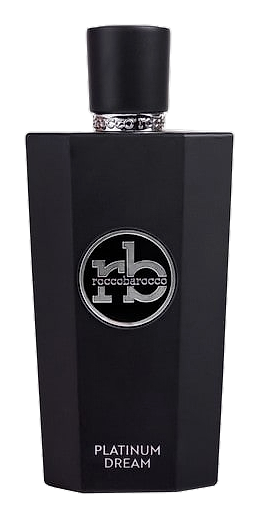
Roccobarocco is an Italian fashion and fragrance house that grew out of the eponymous designer’s runway success in the mid‑1970s. The label translates the designer’s bold aesthetic into a line of perfumes that balance classic Italian ingredients with contemporary flair. Over the past three decades the brand has released more than a dozen scents, ranging from the woody Vetiver (1993) to the recent Platinum Dream (2023). Each bottle carries the same confident silhouette that the clothing collections are known for, making the fragrance portfolio a natural extension of the house’s style language.
Heritage
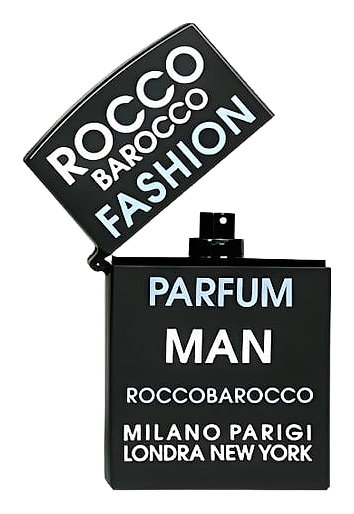
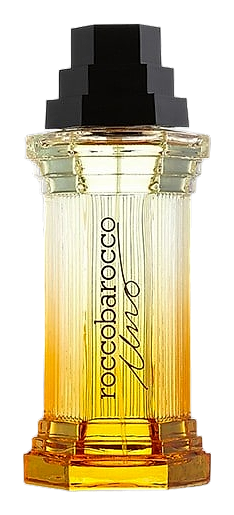
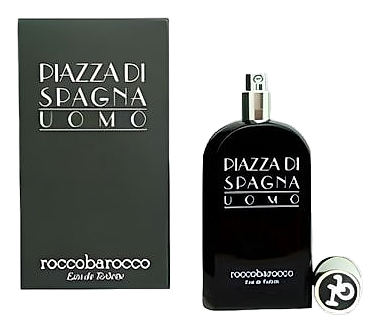
The story begins in Naples, where Gennaro Muscariello was born in 1944. He adopted the professional name Rocco Barocco in the early 1970s, a moniker that combined a personal nickname with a nod to the baroque heritage of his hometown. In 1975 he opened his first boutique, presenting ready‑to‑wear collections that quickly attracted Italy’s fashion elite. The label’s success on the catwalk encouraged a diversification into accessories and, eventually, fragrance. 1993 marked the launch of the house’s inaugural perfume line, beginning with the scent Uno, which quickly became a reference point for Italian men’s fragrance at the time. The perfume division operates under the corporate umbrella of Italart Co., a Milan‑based company that manages production and distribution for several Italian design brands. Throughout the 1990s and 2000s Roccobarocco expanded its olfactory catalogue, introducing Joint pour Homme and Joint pour Femme (both 1993), Piazza di Spagna Uomo (1998), Extraordinary for Men (2000), and Fashion Man (2009). The brand continued to refresh its offerings with Rocco Black for Men (2012) and most recently Platinum Dream (2023), a scent that reflects a modern, metallic twist on the house’s signature boldness. While the fashion side of the business has seen runway revivals and collaborations with Italian textile houses, the fragrance arm has remained a steady presence in department stores across Europe, maintaining a reputation for consistent quality and a distinct Italian character.
Craftsmanship
Production takes place in facilities that serve multiple Italart brands, but each Roccobarocco fragrance follows a dedicated workflow. After the creative team finalises a brief, a perfumer – often a freelance specialist rather than an in‑house name – develops several accords in small‑scale trials. Once a formula is approved, the raw materials are sourced from certified farms or reputable chemical manufacturers. Natural extracts such as Italian citrus peel, French lavender, and Indian sandalwood are procured with traceability documentation, while synthetics like Iso E Super are selected for their proven safety record. The blending process occurs in temperature‑controlled labs where each component is weighed to the nearest milligram, ensuring batch‑to‑batch consistency. After blending, the mixture matures in stainless‑steel tanks for a period that ranges from a few weeks to several months, depending on the scent’s complexity. Quality control includes gas‑chromatography analysis to verify ingredient ratios, as well as sensory panels that evaluate longevity, sillage, and balance. Bottling is performed on an automated line that fills each 100 ml glass vessel under a nitrogen atmosphere to prevent oxidation. The final product is sealed with a black cap that bears the brand’s stylised “R” logo, a design element that has remained unchanged since the first perfume launch. Each batch carries a batch code that allows the company to trace the perfume back to its production date, a practice that supports both quality assurance and regulatory compliance.
Design Language
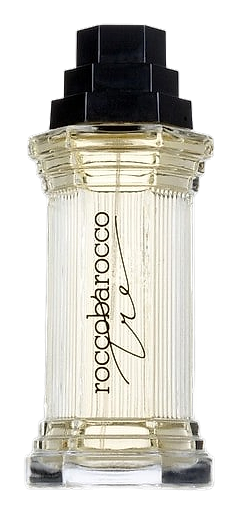
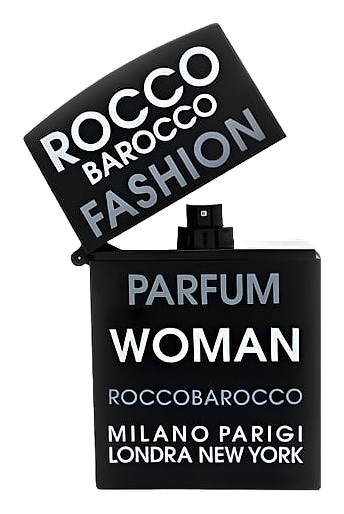
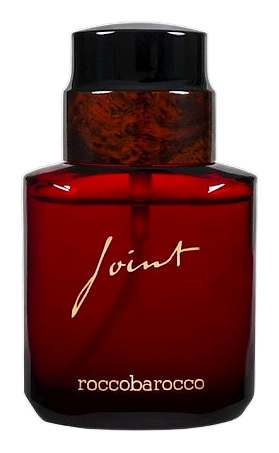
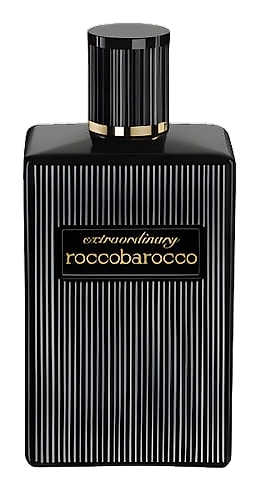
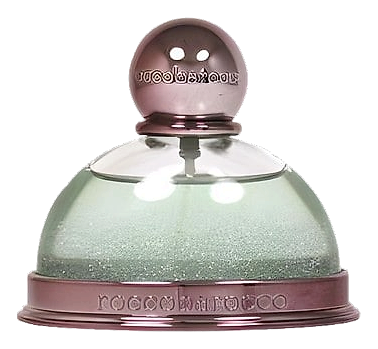
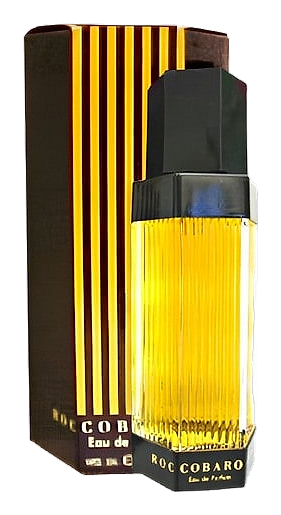
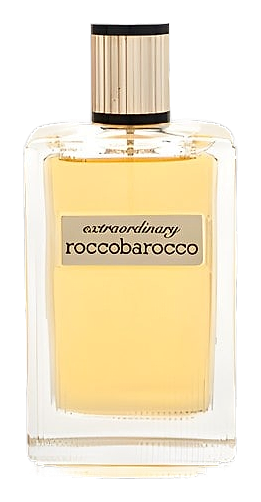
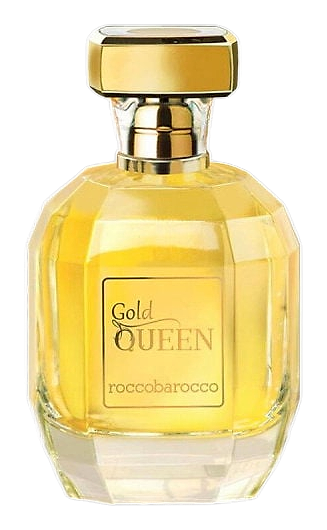
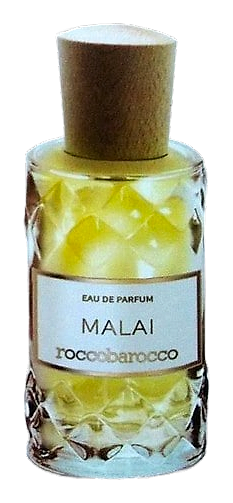
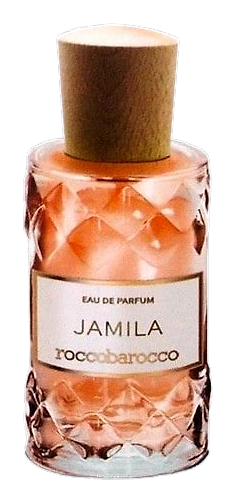
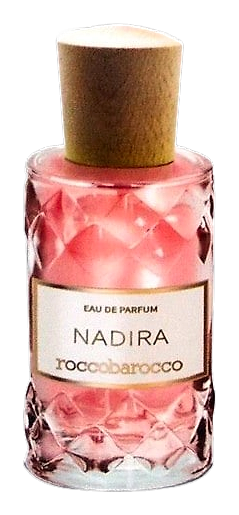
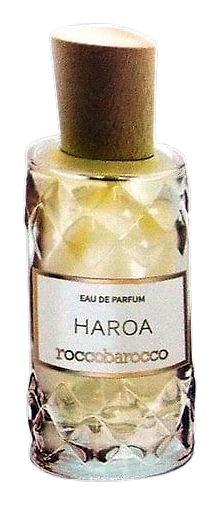
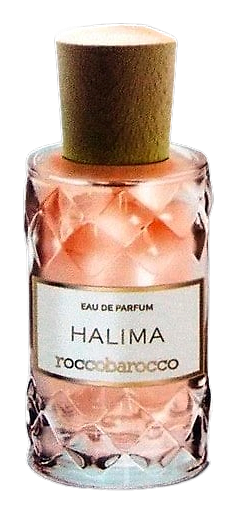
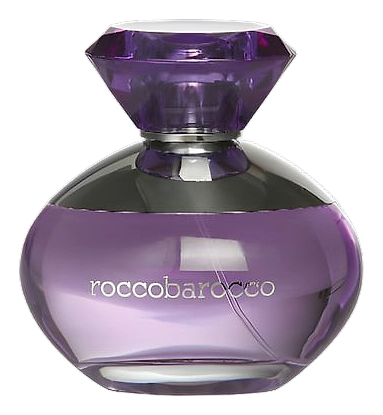
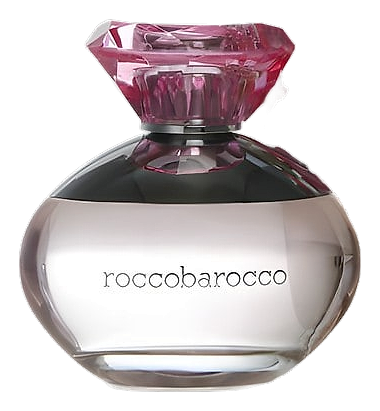
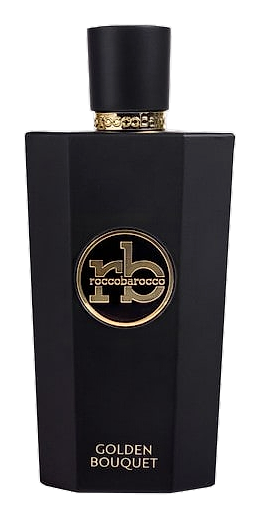
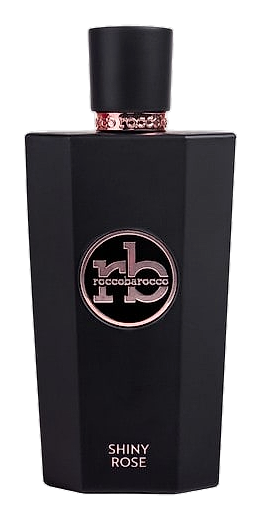
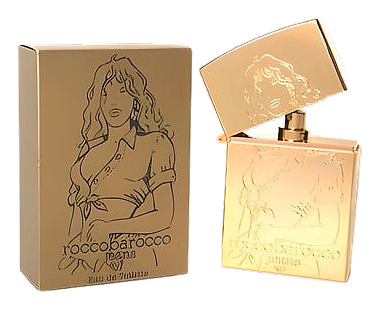
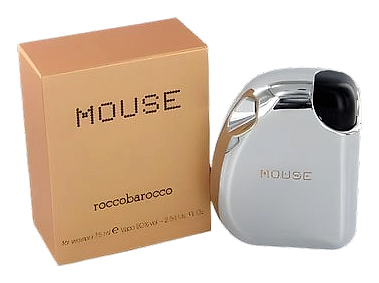
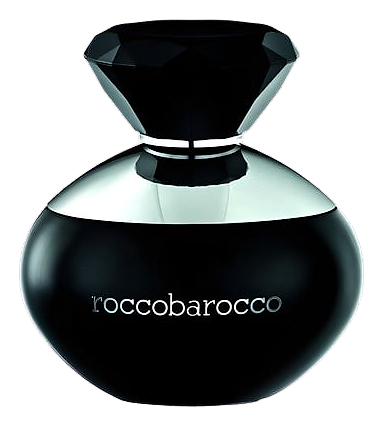
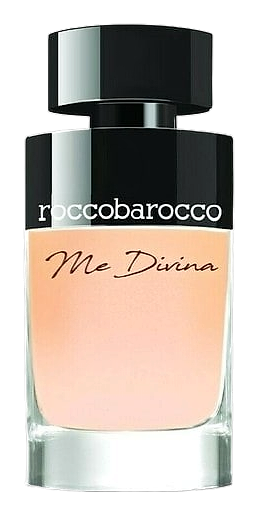
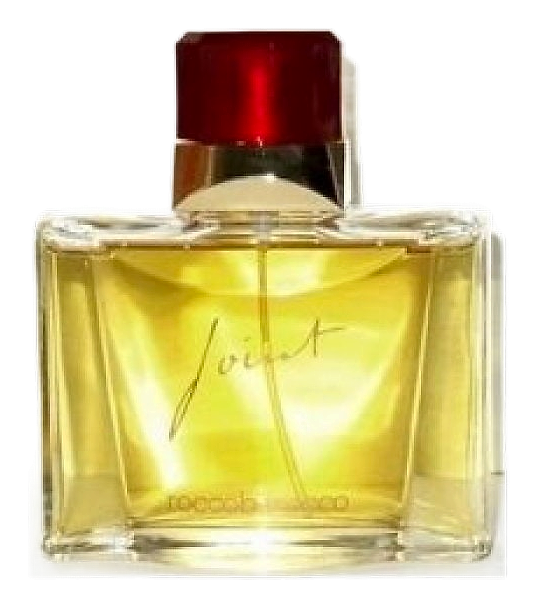
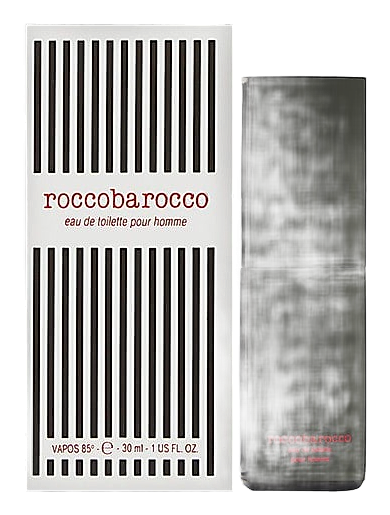
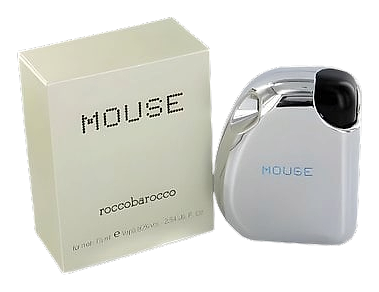
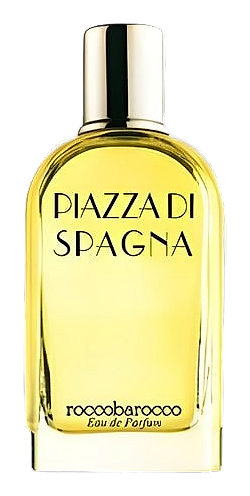
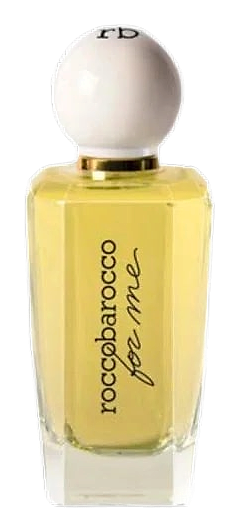
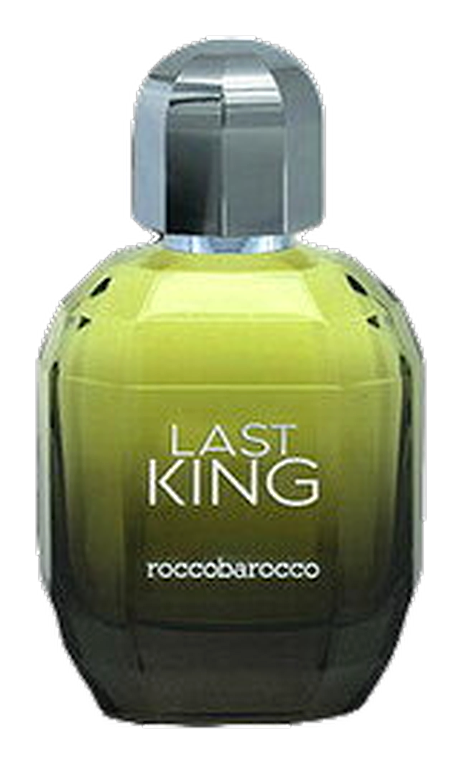
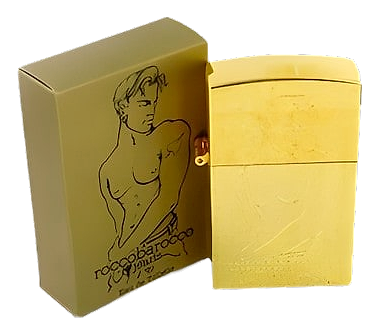
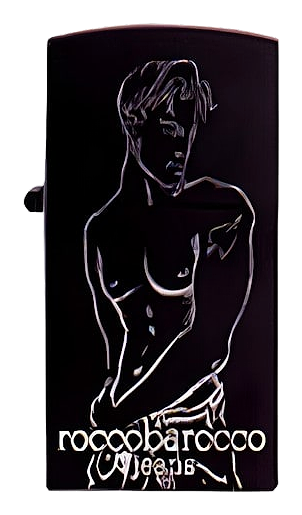
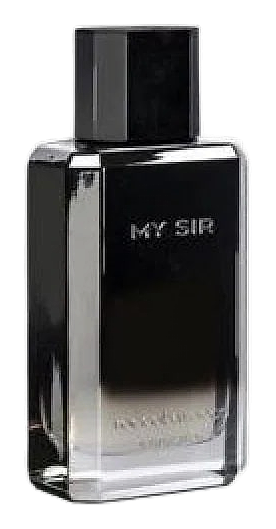
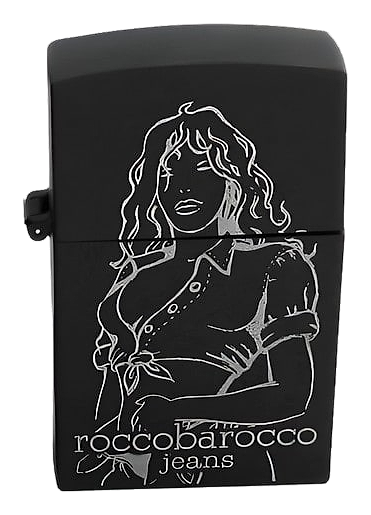
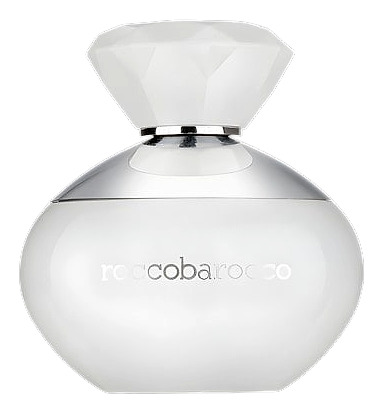
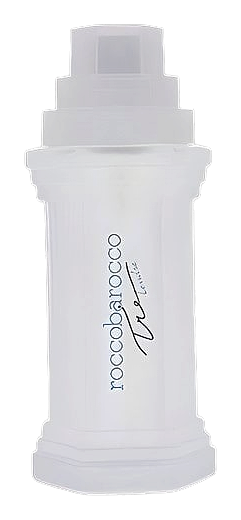
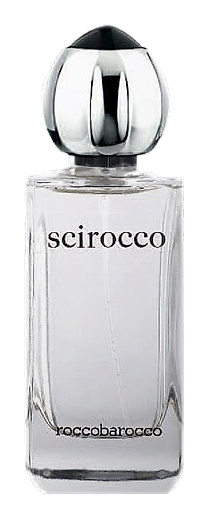
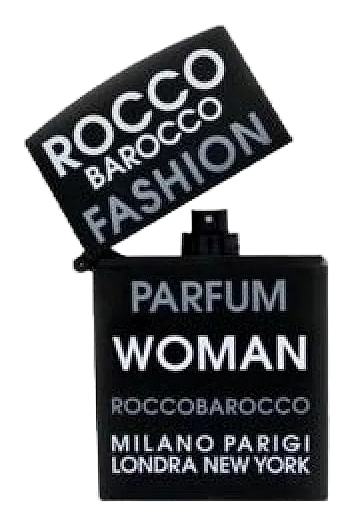
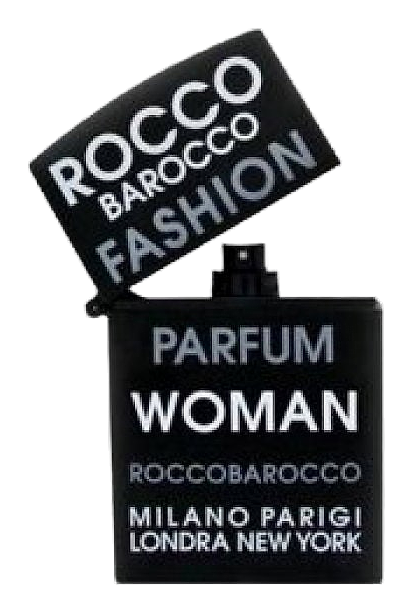
Visually, Roccobarocco translates the designer’s love for bold geometry into its fragrance packaging. The bottles are typically rectangular with clean lines, finished in clear glass that showcases the amber or pale gold liquid inside. A matte black cap provides contrast, while the brand name is embossed in gold foil on the front, echoing the gold accents often seen on the fashion collections. The label typography is a modern sans‑serif that balances readability with a touch of elegance. Seasonal campaigns frequently feature the perfume placed against minimalist backdrops of marble or brushed steel, reinforcing the brand’s Italian heritage without relying on overtly decorative motifs. In retail, the fragrances are displayed on sleek wooden shelves that echo the warm tones of the scents themselves, creating a cohesive sensory environment that invites customers to explore the line as an extension of the clothing runway experience.
Philosophy
Roccobarocco approaches scent as an extension of personal style rather than a separate accessory. The creative brief for each fragrance starts with a mood board that reflects a specific moment in Italian culture – a late‑summer evening on the Amalfi coast, a bustling Milanese café, or the quiet elegance of a Roman piazza. The brand values authenticity, insisting that every ingredient tells a story rooted in its origin. Sustainability is addressed through selective sourcing; the house prefers suppliers that can certify responsible harvesting of natural raw materials such as vetiver roots from Haiti or Bulgarian rose petals. At the same time, the perfumers are free to incorporate synthetics that enhance stability and projection, ensuring the final product works in a range of climates. The result is a line that aims to be both wearable and memorable, reflecting the designer’s belief that clothing and fragrance should speak the same language of confidence and individuality.
Key Milestones
1975
Rocco Barocco opens his first boutique in Naples, launching the fashion label.
1993
Uno, the first Roccobarocco perfume, debuts and establishes the brand’s presence in the fragrance market.
1998
Piazza di Spagna Uomo is released, expanding the men’s line with a Mediterranean-inspired composition.
2000
Extraordinary for Men arrives, showcasing a richer, woody profile that becomes a staple in the catalogue.
2009
Fashion Man launches, reflecting the brand’s contemporary runway aesthetic in scent form.
2012
Rocco Black for Men is introduced, featuring a darker, more intense olfactory palette.
At a Glance
Brand profile snapshot
Origin
Italy
Founded
1975
Heritage
51
Years active
Collection
3
Fragrances released
Avg Rating
3.7
Community sentiment
Release Rhythm


