
The Story
Why it exists.
The beginning
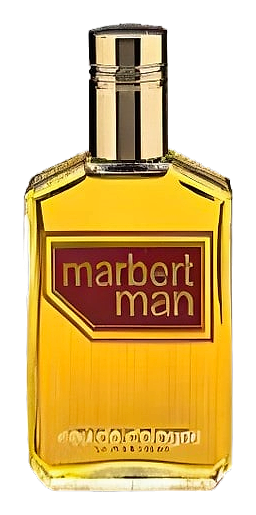
Raymond Chaillan created Marbert Man in 1977. The launch placed Marbert firmly in the German masculine fragrance landscape, a time when men's scents still committed to structure. Herbaceous, then warm, then woody. No half measures. Marbert Man became the cornerstone of the Marbert Man collection, spawning flankers and variations throughout the following decades. This cologne wasn't the collection's loudest release. It was the one everything else built from.
The note structure is the thing. A classic aromatic fougère pyramid, but built with an unusual warmth in the heart. The honey-carnation pairing is unexpected in a masculine context. Most men's fragrances of that era leaned either sharp-green or powdery-soap. Marbert Man did both, separated by time. The base carries leather, oakmoss, and patchouli, materials that disappeared from mainstream perfumery decades later. That structural ambition is part of what makes it notable today.
The evolution
The opening announces herbaceous sharpness, artemisia and basil meet bergamot and lavender. Clean, then medicinal. That initial bite softens within the first hour as the honey emerges, sweetening the carnation and cinnamon. The transition is gradual. No sudden hand-off. The heart doesn't arrive so much as settle. What follows is warmth that builds quietly, the juniper and geranium add structure without cooling the composition. By the second hour, the leather arrives. Patchouli follows. Cedar and sandalwood form the foundation. The drydown stays warm, close, and substantial. Moderate sillage, but the longevity is real, many wearers report 8-10 hours on skin, with the base holding through the day. The oakmoss gives it that earthy, vintage character that modern reformulations simply can't replicate.
Cultural impact
Marbert Man belongs to a generation of masculine fragrances that built identity through structure, aromatic opening, warm heart, woody base. The honey-carnation heart gives it a sweet-spicy warmth that sets it apart from sharper contemporaries. Leather, oakmoss, and patchouli anchor the drydown in a vintage register that modern reformulations can't fully replicate. It's the kind of fragrance that defined a house, anchored a collection, and still holds its own decades later.