The Story
Why it exists.
The beginning
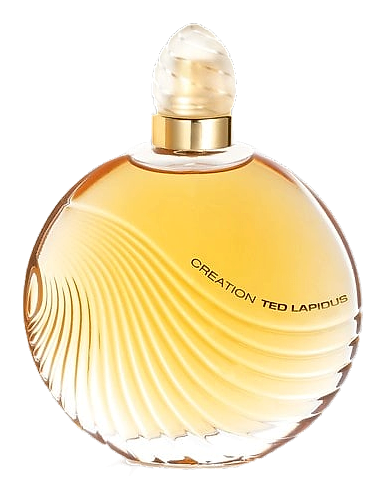
Creation arrived in 1984, a moment in fragrance history when maximalism was the default setting. Ted Lapidus had spent over a decade building the brand's fragrance portfolio alongside l'Oréal, and this release marked something specific: a chypre structure dressed in an almost absurd abundance of tropical fruit. The name itself is a declaration. Not named after a place, a person, or an abstract emotion, just creation, pure and declarative. The house wanted something that felt like an act rather than a concept. What emerged was a fragrance that throws everything at the opening and trusts the oakmoss to hold the frame.
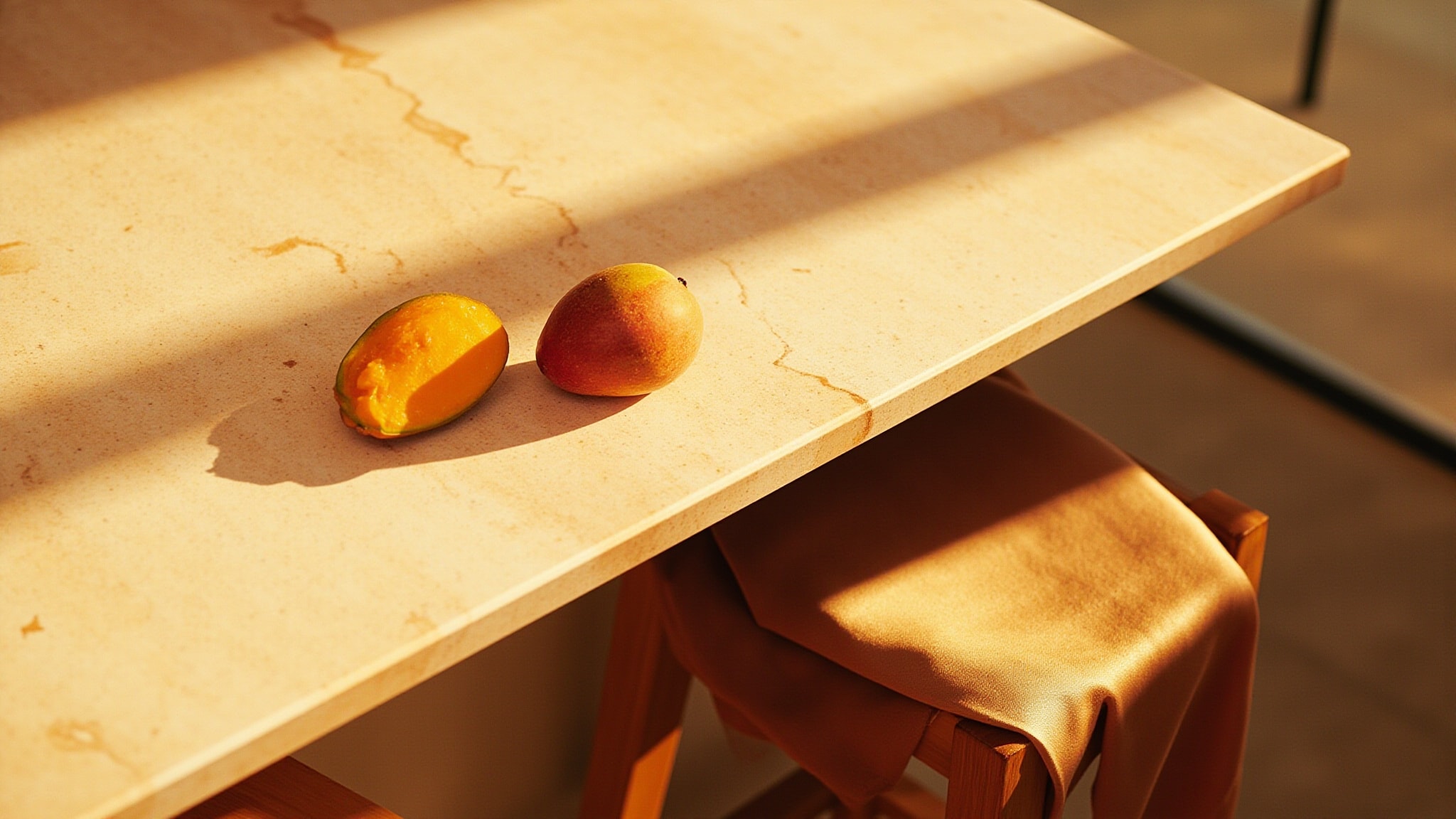
What makes Creation's structure unusual isn't any single note, it's the sheer volume of top notes working simultaneously. Most fragrances ease you into their heart. This one detonates. Eight materials, bergamot, galbanum, lemon, mandarin, peach, blackcurrant, mango, passion fruit, arrive together in a cascade that borders on chaotic. The choice to include galbanum is particularly telling: it adds a green, almost bitter undertone that prevents the tropical mass from becoming saccharine. Without it, this would be a fruit salad. With it, there's tension. The chypre base, oakmoss, vetiver, patchouli, exists specifically to absorb that tension and transform it into something that lasts.
The evolution
The opening salvo hits immediately and hard. Bergamot cuts through first, citrus-bright and sharp, before the tropical constellation arrives en masse, mango, passion fruit, blackcurrant pulling the sweetness forward. Galbanum sneaks in underneath, green and slightly medicinal, the brake nobody asked for but everyone needs. This phase lasts maybe thirty minutes, dense and somewhat disorienting in its abundance. The hand-off to the heart is gradual but unmistakable. Tuberose and gardenia emerge from the fruit chaos, creamy and heady, while ylang-ylang adds its signature banana-floral warmth. Carnation adds spice. The florals don't replace the fruit, they coexist, a layering that feels distinctly 1980s in its ambition. By hour three, the composition has settled into something warmer, the initial shock softened. The drydown is where Creation earns its oakmoss. Vetiver and patchouli arrive together, earthy and dry, while amber and vanilla add warmth without sweetness. The musk holds everything close to the skin.
Cultural impact
Creation occupies a specific moment in fragrance history: 1984, when the industry was still operating under the assumption that more notes meant more quality. It never achieved the iconic status of contemporary releases like Poison or Paris, but it developed a cult following among those who appreciate its particular brand of excess. The fragrance has remained in production for over four decades, a rare feat for any launch from this era. Wearers tend to fall into two camps: those who find it a glorious relic of maximalist ambition, and those who find it simply too much. Both are correct. The question is whether you want to be the kind of person who wears it anyway.