
The Story
Why it exists.
The beginning
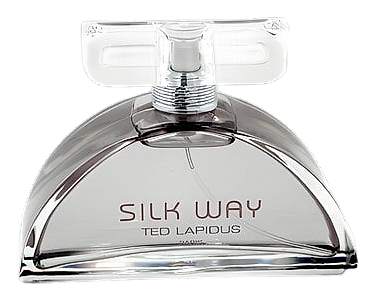
Silk Way takes its name from the ancient trade route that once moved precious cargo, spices, resins, silk, between East and West. That spirit of exchange is encoded in the bottle: fruit and citrus opening like a market at dawn, then the deeper currents of cedar and spice arriving as the day warms. The fragrance captures that meeting point where worlds collide, where eastern resins mingle with western florals in a composition that refuses to soften its edges. Each note arrives with purpose, creating a scent that feels both familiar and transportive, like following a well-worn path to somewhere entirely new.
The combination of peony with Ceylon cinnamon is the unexpected move here. Peony is soft, expected, almost safe, then the cinnamon arrives to remind you this isn't a bedroom fragrance. Cedarwood anchors both, giving the florals something to lean against instead of dissolving into nothing. And the incense at the base isn't clouds of church smoke, it's the memory of it, warm and close, threaded through bourbon vanilla and white musk. The result is a fragrance that balances boldness with restraint, offering richness without overwhelming the senses.
The evolution
The first spray hits bright. Apple and red peach arrive together, juicy and direct, with citruses lifting everything before the hour is out. Then the hand-off: peony and jasmine emerge from behind the cedar, the Ceylon cinnamon making itself known with a clean, spicy warmth that adds structure rather than heat. The drydown is where this one earns its name. Incense, amber, and bourbon vanilla settle into the skin together, smoky but powdery, warm but not loud. White musk keeps it close, intimate, present for the wearer, noticed by anyone who gets close. The progression moves deliberately from bright opening through a structured heart to a soft, lingering base that rewards patience.
Cultural impact
Silk Way occupies an interesting middle ground, neither niche curiosity nor mass-market safe bet. The incense-peony combination was an unusual move for its time, standing apart from more conventional floral compositions. The smoky-peony tension gives it a point of view that still feels distinct, a quality that attracts those who want a fragrance with personality rather than something that simply smells pleasant. It occupies a space for wearers who appreciate complexity without wanting something impenetrable, a bridge between different fragrance sensibilities.
The House
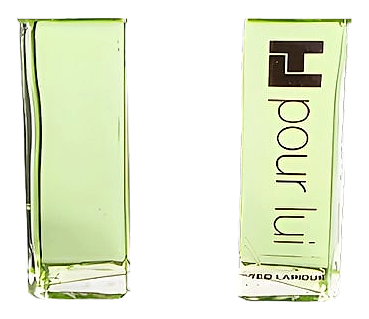
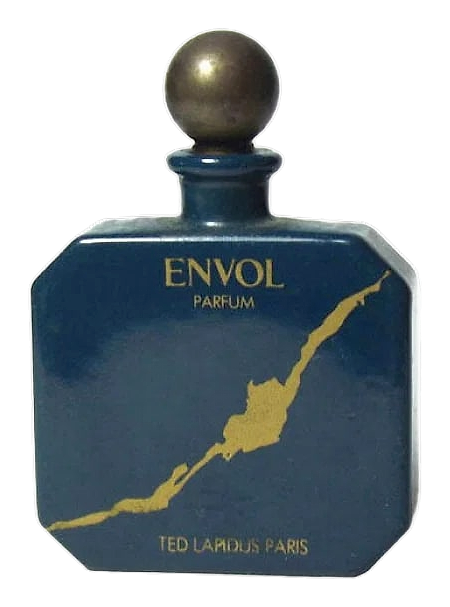
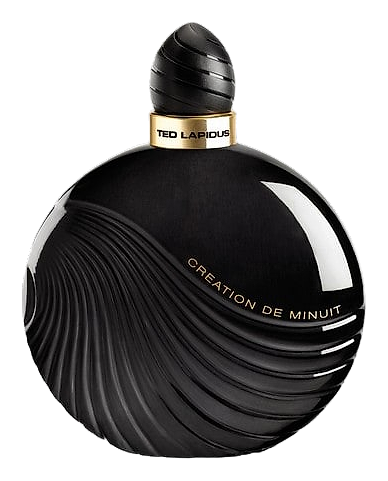
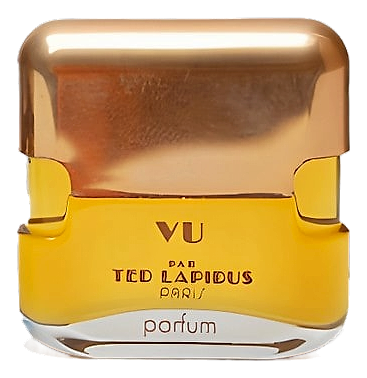
Ted LapidusTed Lapidus stands as a distinctive figure in French fashion and fragrance, having trained under Christian Dior before establishing his own house in 1951. The brand gained significant cultural traction in the 1960s, attracting a clientele of French celebrities. fragrance operations launched in partnership with l'Oréal in 1970, marking an expansion beyond ready-to-wear into the world of scented goods. The house maintains a portfolio spanning over four decades of fragrance creation, with notable releases including Vu par Ted Lapidus (1975), Pour Homme (1978), and more recent entries such as Oud Blanc (2014) and Orissima Divine (2019). The fragrance division eventually came under the ownership of The Bogart Group, a company recognized for its portfolio of scent brands. The house occupies a particular niche in the fragrance landscape, offering options that range from classic masculine orientals to contemporary interpretations involving oud and other noble materials. Ted Lapidus remains associated with a certain vision of masculine elegance that emerged from the Parisian fashion world of the mid-twentieth century.
The Creator
Gérard AnthonyAnthony's signature lies in his mastery of the fougère structure, which he handled with unusual confidence and creativity. He pushed lavender into unexpected territories, pairing it with notes that other perfumers might have considered too aggressive for a mainstream composition.