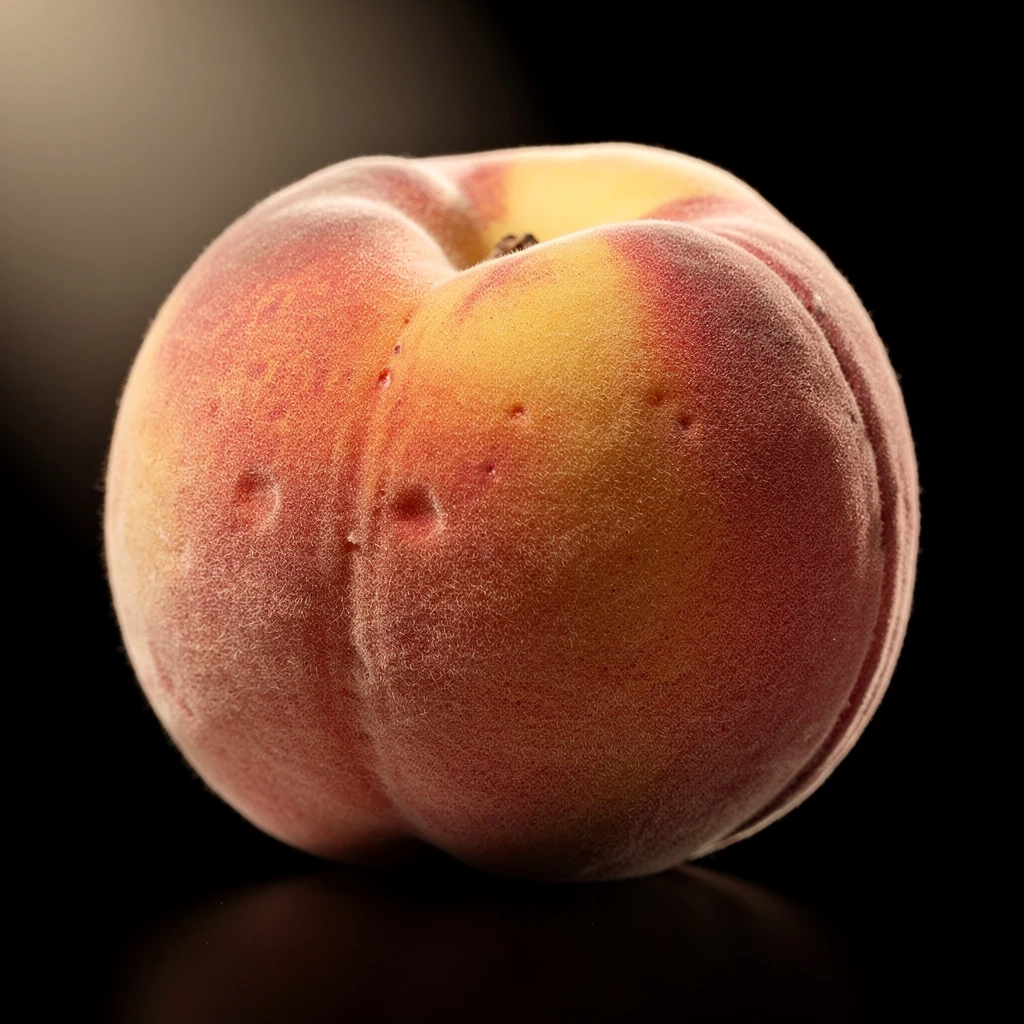
Red Peach
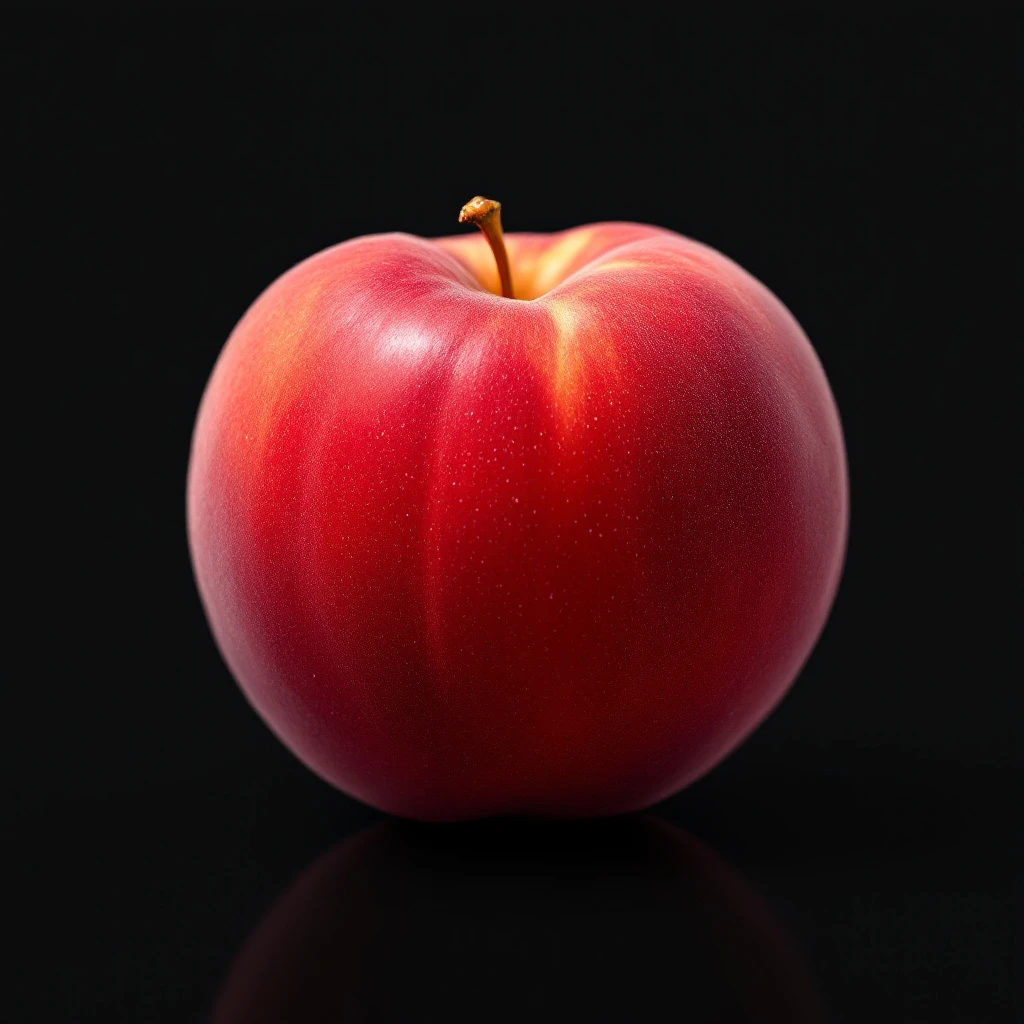
The sun-warmed sweetness of ripe stone fruit, captured in a bottle. Red peach delivers that perfect moment of summer — when the fruit yields to the touch and releases its aromatic secrets.
Character
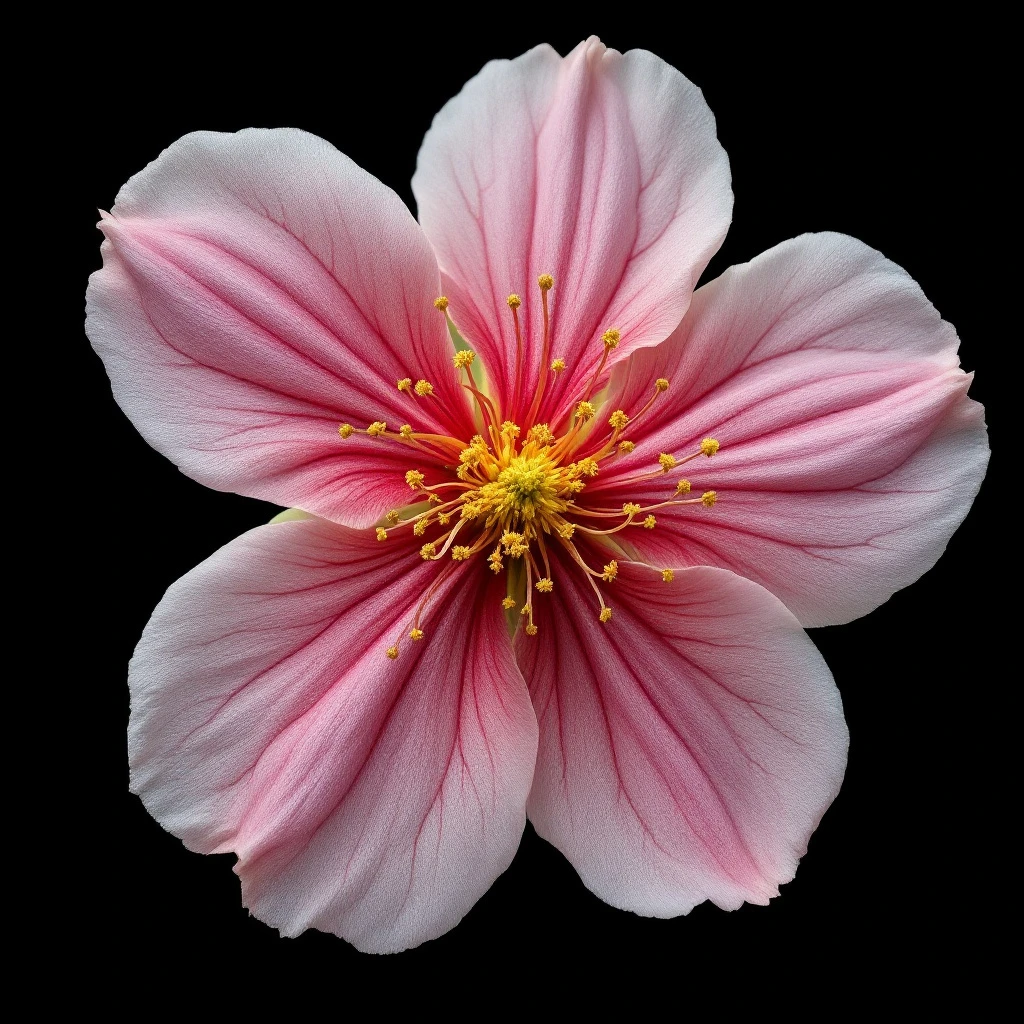
How it smells
Summer's most seductive fruit in liquid form.
Jacques Guerlain created the first peach perfume in 1919 using both natural and synthetic materials — a groundbreaking combination for the era.


Origin
France
The peach carries centuries of symbolism before it arrived in perfumery. Originating in China around 3000 years ago, the fruit spread along trade routes to Persia and the Mediterranean, becoming woven into mythology and art as a symbol of immortality. In perfumery, however, peach remained elusive until the early 20th century.
The breakthrough came in 1919 when Jacques Guerlain released what many consider the first true peach fragrance, combining natural and synthetic ingredients. This was revolutionary — the use of laboratory-created compounds alongside traditional naturals was still controversial. The synthetic gamma-undecalactone allowed perfumers to capture peach's ephemeral charm for the first time, opening the door to fruity fragrances that had been impossible to create.
Peach's success paved the way for the entire fruity fragrance family we know today.
Wears it best
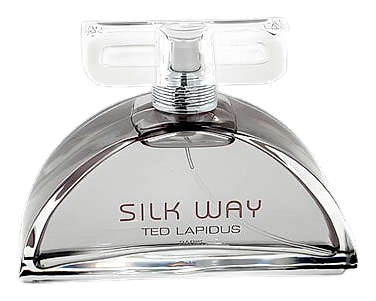
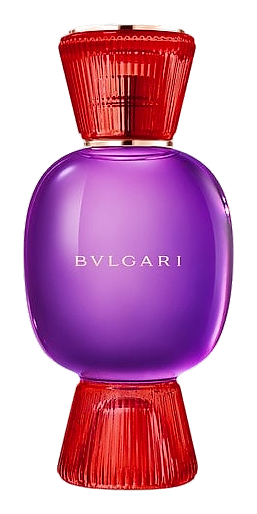
Fragrances featuring Red Peach
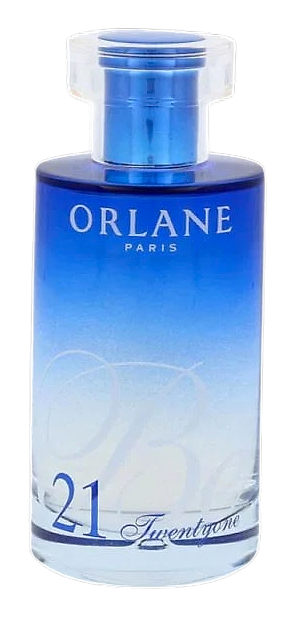
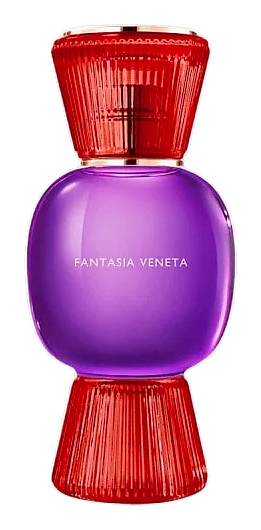
Brands
Brands known for Red Peach
Good to know
Questions, answered
The essentials on Red Peach in perfumery: how it smells, where it comes from, and how it behaves on skin.
What gives peach its characteristic scent in perfumery?
Gamma-undecalactone provides peach's signature sweet, buttery aroma. Related lactones add creamy undertones while trace esters contribute fresh, fruity brightness. This combination creates a more complex profile than most fruity ingredients.
Can peach fragrance be extracted naturally from the fruit?
No. Peach flesh lacks sufficient aromatic oils for traditional extraction. The delicate scent molecules evaporate too quickly and exist in concentrations too low for viable yield. Synthetic recreation became the industry standard.
What role do lactones play in peach fragrance?
Lactones are the backbone of peach accords. These cyclic esters provide both the sweet fruit character and a distinctive creamy, velvety quality that sets peach apart from crisper fruity notes like apple or berry.
What other ingredients pair well with red peach?
Red peach harmonizes with soft florals like rose and jasmine for a romantic effect. Warm companions such as vanilla, tonka, and sandalwood deepen its sweetness. Musk extends longevity while keeping the overall feel light and modern.
When did peach first appear in fine perfumery?
Peach debuted in 1919 with a Jacques Guerlain creation. The fragrance marked the first time a perfumer combined natural and synthetic materials to capture a fruity note, a technique that defined modern perfumery.
How does gamma-undecalactone work in peach accord?
Gamma-undecalactone delivers the recognizable peach character itself. By combining it with gamma-decalactone for tropical nuance and adjusting ratios, perfumers craft peach variations — from juicy and fresh to sun-ripened and velvety.
Is natural extraction of peach compounds possible?
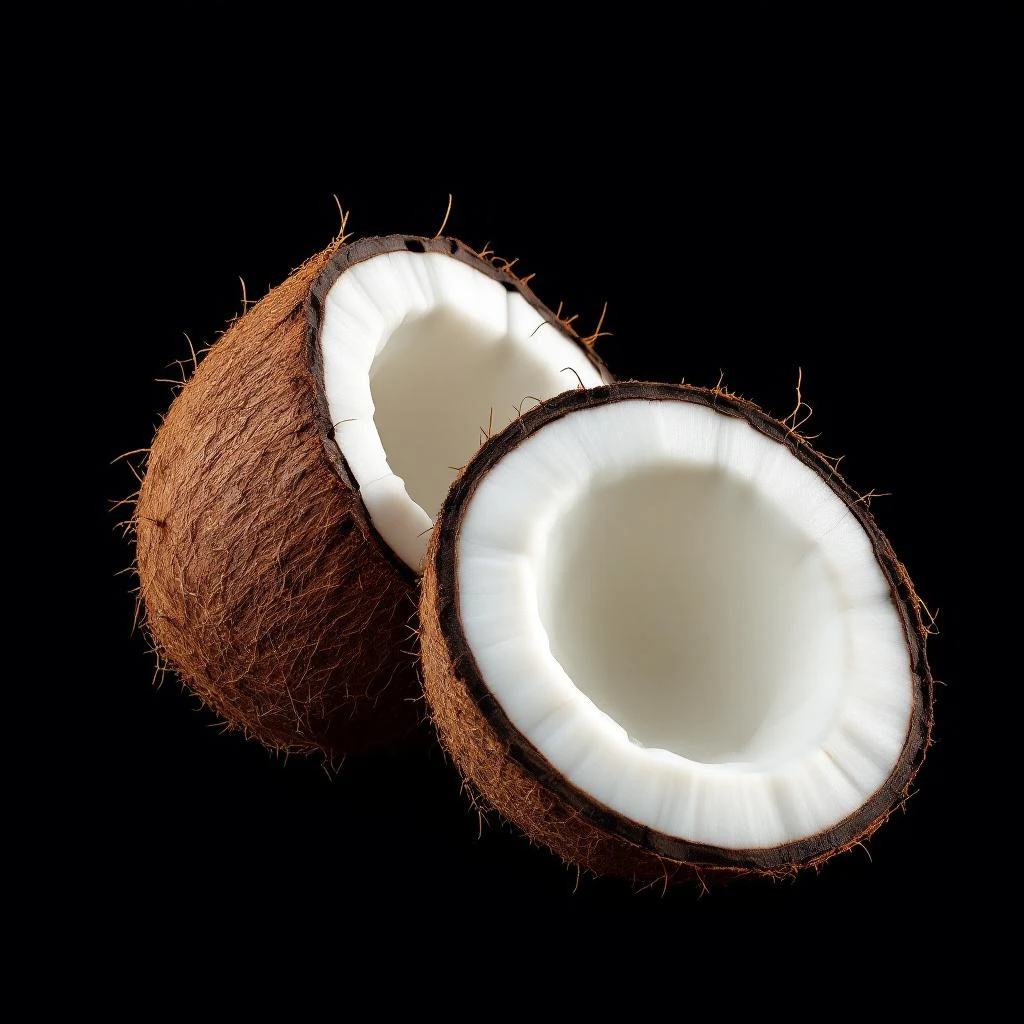
Peach lactones do occur naturally in peaches and other fruits like coconut, allowing natural extraction. However, the process is expensive and yields inconsistent results. Most perfumers prefer synthetically produced lactones for reliability.
What makes peach a versatile perfumery ingredient?
Peach bridges light summer fragrances and richer evening compositions. Its lactone structure creates softness without heaviness, sweetness without cloying — qualities that adapt across fragrance families and seasons.